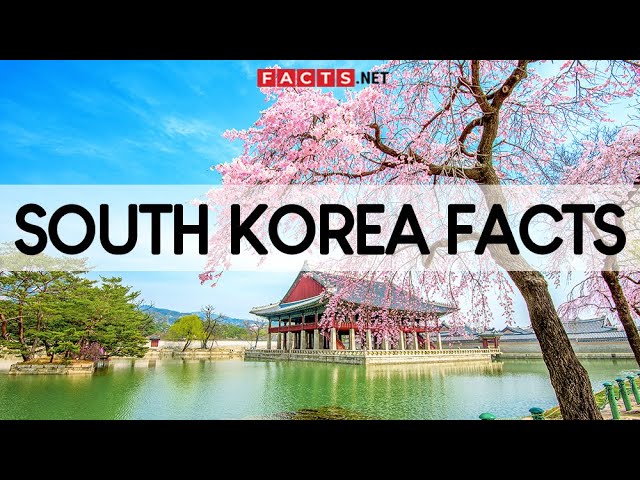
South Korea, often lauded for its vibrant pop culture and technological advancements, is a land steeped in history, tradition, and hidden wonders. While the world is captivated by K-pop, tasty kimchi, and the frenetic energy of Seoul, there lies an array of unusual facts that promise to shift your perspective on this fascinating nation. Here is an exploration of some of these intriguing elements of South Korean culture and history, which may pique your curiosity and reveal the essence of this extraordinary country.
1. The Birthplace of the Hangul Alphabet
South Korea’s distinctive language, Hangul, was developed in the 15th century by King Sejong the Great. What makes Hangul unique is its scientific design; it was created to be easily learned by the common people. Contrary to many languages that evolved gradually, Hangul was fully developed in just a few years. This effort aimed to increase literacy among the peasantry, demonstrating a remarkable commitment to education and equality.
2. The Korean Wave: A Global Phenomenon
The Korean Wave, or Hallyu, refers to the sudden surge of interest in South Korean culture worldwide, particularly in the early 2000s. It encompasses various entertainments like K-dramas, K-pop, and fashion. Yet, the reach of Hallyu is more than mere fame; it’s a significant contributor to South Korea’s economy and global influence, attracting millions of tourists and international fans to experience K-culture firsthand.
3. Unique Approach to Age Calculation
Unlike many countries that calculate age based on the date of birth, South Korea historically has used a different method. When a baby is born, they are considered one year old and gain an additional year each subsequent New Year’s Day. This traditional system has led to some confusion among international visitors and even locals, as some use the Western age system while others stick to the traditional Korean system.
4. Technologically Advanced Public Spaces
South Korea boasts some of the most technologically advanced public spaces globally. For instance, the iconic Dongdaemun Design Plaza in Seoul features intelligent lighting systems, interactive displays, and Wi-Fi-enabled areas, seamlessly integrating technology into public design. Moreover, the country is a pioneer in the development of smart cities, leading the charge in urban planning that prioritizes connectivity and sustainability.
5. The Culture of “Jeong”: A Unique Emotional Bond
Jeong is an intrinsic part of Korean culture, representing a deep, affectionate emotional bond between individuals. It signifies feelings of warmth, empathy, and attachment that can develop over time. This psychological construct is not merely a personal connection but extends to relationships in wider groups, reflecting the collective consciousness often found in South Korean society.
6. The Symbolism of the Taeguk and the Korean Flag
The South Korean flag, known as Taegukgi, is rich in symbolism. The circle in the center represents the harmony of opposites: yang (light) and yin (dark), while the four trigrams represent heaven, earth, fire, and water. The flag encapsulates the philosophy of balance and the aspiration for peace and unity, which resonates deeply with the nation’s historical struggles and aspirations.
7. Hidden Temples and Ancient Sites
While many flock to major cities, South Korea’s rural areas are dotted with hidden gems, including ancient temples and historic sites. Haeinsa Temple, housing the Tripitaka Koreana—one of the world’s oldest surviving collections of Buddhist scriptures—is a remarkable site that showcases Korea’s religious history. Nestled in the serene Sobaeksan mountains, it offers visitors a moment of peace and reflection, far removed from the urban hustle.
8. A Love for Unique Café Experiences
South Korea is home to an explosion of themed cafés, each offering convivial atmospheres and quirky experiences. From animal cafés featuring cats, dogs, and even raccoons, to beautifully designed flower cafes where patrons can enjoy aromatic brews surrounded by nature, the café culture is not merely about coffee; it’s a lifestyle. These venues provide a glimpse into the creative spirit of South Koreans, blending culinary artistry with imaginative concepts.
9. The Tradition of “Jeongwol Daeboreum”
Celebrated on the first full moon of the lunar year, Jeongwol Daeboreum is a traditional festival rich with customs aimed at promoting health and prosperity for the year ahead. Festivities include cracking nuts with one’s teeth—symbolizing the breaking of misfortune—and enjoying a special dish called ogokbap, a multi-grain rice. This festival emphasizes the importance of community bonding and shared hopes for the future.
10. A Commitment to Cultural Preservation
Despite rapid modernization, South Korea remains devoted to preserving its cultural inheritance. The country’s Intangible Cultural Heritage includes a range of traditions, from traditional music and dance to unique culinary practices. Preservation efforts are evident in initiatives that safeguard practices like Hanbok (traditional clothing) sewing or the time-honored art of Kimjang (making kimchi), ensuring that future generations remain connected to their roots.
Conclusion
South Korea offers an extraordinary tapestry of history, culture, and tradition that defies conventional understanding. With a commitment to maintaining its unique identity amidst modernity, the nation thrives on fascinating quirks and customs that enrich its tourism and cultural exchanges. From the technological marvels of urban spaces to the poignant emotional tapestry of relationships shaped by jeong, it’s a country that invites curiosity and exploration at every turn. Those eager to dive deeper into K-culture will find that each unusual fact reveals a truth about the resilience and creativity of South Korea.