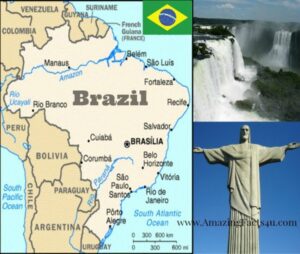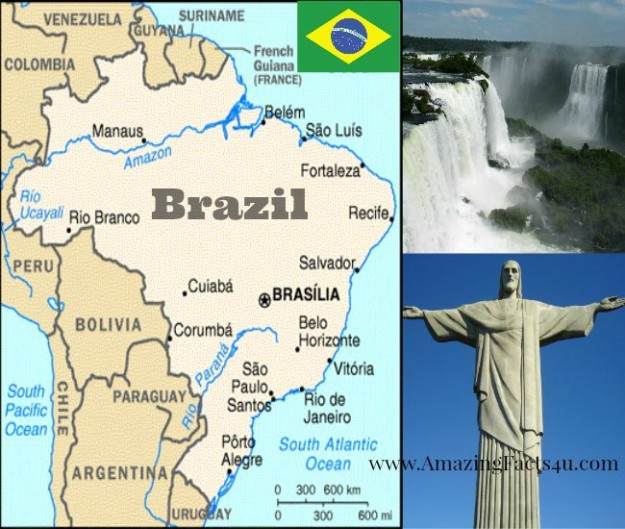
Brazil, a nation renowned for its vibrant culture and breathtaking landscapes, is rife with intriguing nuances that often go unnoticed. Beyond the carnival festivities, samba rhythms, and Amazonian wilderness lies an array of unusual facts that reveal the complexity of this South American giant. Here, we explore a selection of these lesser-known aspects, providing an in-depth glimpse into why Brazil captivates the imagination of many.
1. The Country of Superlatives
Brazil is the fifth-largest country in the world, both by land area and population. It boasts the longest coastline in South America, stretching over 7,491 kilometers. But what truly stands out is that Brazil is also home to the largest tropical rainforest on the planet—the Amazon. This lush expanse plays a pivotal role in regulating the Earth’s climate and is often dubbed the “lungs of the world,” emphasizing its environmental significance.
2. A Nation of Languages
While Portuguese is the official language, Brazil is a tapestry woven with linguistic diversity. Over 200 indigenous languages are spoken throughout the country. Many of these languages, such as Guarani and Tikuna, reflect the rich cultural heritage of Brazil’s native peoples. This linguistic variety underscores the complex demographics and historical narratives that shape Brazilian society.
3. An Anarchic Ecological System
Brazilian ecosystems are not just diverse; they are also displays of astonishing biodiversity. The country is home to approximately 10% of all species on Earth, including the flamboyant jaguar, the pink river dolphin, and the mesmerizing poison dart frog. Brazil’s unique biodiversity stems from its varied climates, ranging from the arid northeast to the verdant Amazon basin, establishing it as a global focal point for conservation efforts.
4. The World’s Largest Coffee Producer
Brazil has held the title of largest coffee producer for over 150 years, contributing about a third of the world’s supply. The country’s geographical diversity allows for the cultivation of various coffee types, including Arabica and Robusta. This cultural and economic pillar affects not only Brazil’s economy but also global coffee culture, as Brazilian beans are often at the heart of many international blends.
5. Unique Sporting Passion
Soccer may be Brazil’s most recognized sport, but the enthusiasm for volleyball is equally compelling. Beach volleyball, particularly, emerged from Rio de Janeiro’s sandy shores and has become a popular pastime. This preference for volleyball signals a cultural adaptation to Brazil’s sunny climate and coastal geography. It reflects the nation’s affinity for outdoor activities and social gatherings, which are integral to its communal ethos.
6. Creative Urban Geography
Brazilian cities are often defined by their unique urban planning. São Paulo, for instance, is one of the most populous cities in the world, yet it lacks a central governing body. Instead, it is characterized by a series of autonomous neighborhoods each with distinct identities. This disjointed urban structure not only presents challenges in administration but also fosters a vibrant mosaic of cultures and communities.
7. Culinary Fusion and Diversity
Brazilian cuisine reflects its rich, multicultural heritage, influenced by indigenous tribes, Portuguese colonizers, and immigrants from Africa and Asia. Dishes like feijoada, a hearty black bean stew, seamlessly evoke this merging of cultures. The infusion of spices, ingredients, and cooking techniques symbolizes the nation’s historical complexities and culinary creativity.
8. The Birthplace of Unique Festivals
Beyond Rio’s Carnival, Brazil hosts a plethora of other culturally rich festivals. The Festival of Parintins, for example, celebrates the Amazonian folklore of boi-bumbá, combining music, dance, and theatrical performances. Similarly, the Festa Junina showcases rural traditions through vibrant decorations, traditional foods, and folkloric dances. These festivities reflect the diverse cultural fabric of Brazil and its regions.
9. Dance as a Cultural Language
Brazil’s passion for dance is not limited to samba; it is exemplified through various forms including Capoeira, a martial art that blends dance, acrobatics, and music. Originally developed by enslaved Africans, Capoeira serves as an expression of resistance and cultural identity. Moreover, Forró, a lively couples’ dance, illustrates the interplay of regional influences and the social importance of dance in Brazilian life.
10. A Cultural Melting Pot
Brazil is often described as a melting pot of cultures, a narrative reinforced by its demographic composition. Influences from Africa, Europe, the Middle East, and Asia converge in Brazil, creating a unique cultural identity. This diversity manifests in art, music, language, and social customs. It embodies the concept of “racial democracy,” though the realities are often more nuanced and contentious, highlighting ongoing discussions about race and inclusion in Brazilian society.
11. Uncommon Natural Phenomena
Brazil is home to unique natural wonders, one of which is the phenomenon of the “Amazon River Dolphin.” These pink freshwater dolphins are known for their unusual coloration, attributed to their environmental conditions and age. Additionally, the Pantanal region, one of the largest tropical wetland areas in the world, showcases an array of wildlife and is a UNESCO World Heritage site, making it a hotspot for ecotourism.
12. The Allure of the Brazilian South
While many are familiar with Brazil’s tropical north, the southern region offers a contrasting experience. It features a temperate climate, German and Italian influences, and even offers ski resorts. This geographical juxtaposition demonstrates Brazil’s vast climatic diversity, providing ample opportunities for various recreational pursuits, thus promising an entirely different side of Brazilian culture.
In conclusion, Brazil’s unusual facts extend far beyond its well-known stereotypes. This intricate nation embodies a passionate blend of culture, history, and ecology that reveals deeper layers of fascination. The interplay of its diverse peoples, vibrant traditions, and extraordinary landscapes contribute to Brazil’s status as a captivating country steeped in wonder.