Norway, a Scandinavian jewel, captivates the imaginations of travelers and historians alike. It is a nation steeped in natural beauty, rich mythology, and a notable Viking legacy. This listicle delves into unique and intriguing aspects of Norway—its famous fjords, distinctive folklore, and the enigmatic wonders of its Viking past. Each facet reveals reasons behind the collective fascination with this Nordic land.
1. The Majestic Fjords: Nature’s Masterpieces
Among Norway’s most striking features are its fjords—narrow inlets flanked by towering cliffs and cascading waterfalls. Geologic forces carved these dramatic landscapes during the last Ice Age, creating some of the most breathtaking scenery on Earth. The UNESCO-listed Nærøyfjord, for instance, stretches approximately 18 kilometers and showcases a sheer vertical drop of over 1,800 meters. The breathtaking panorama of steep mountains plunging into deep blue waters evokes an awe that transcends mere visual appreciation.
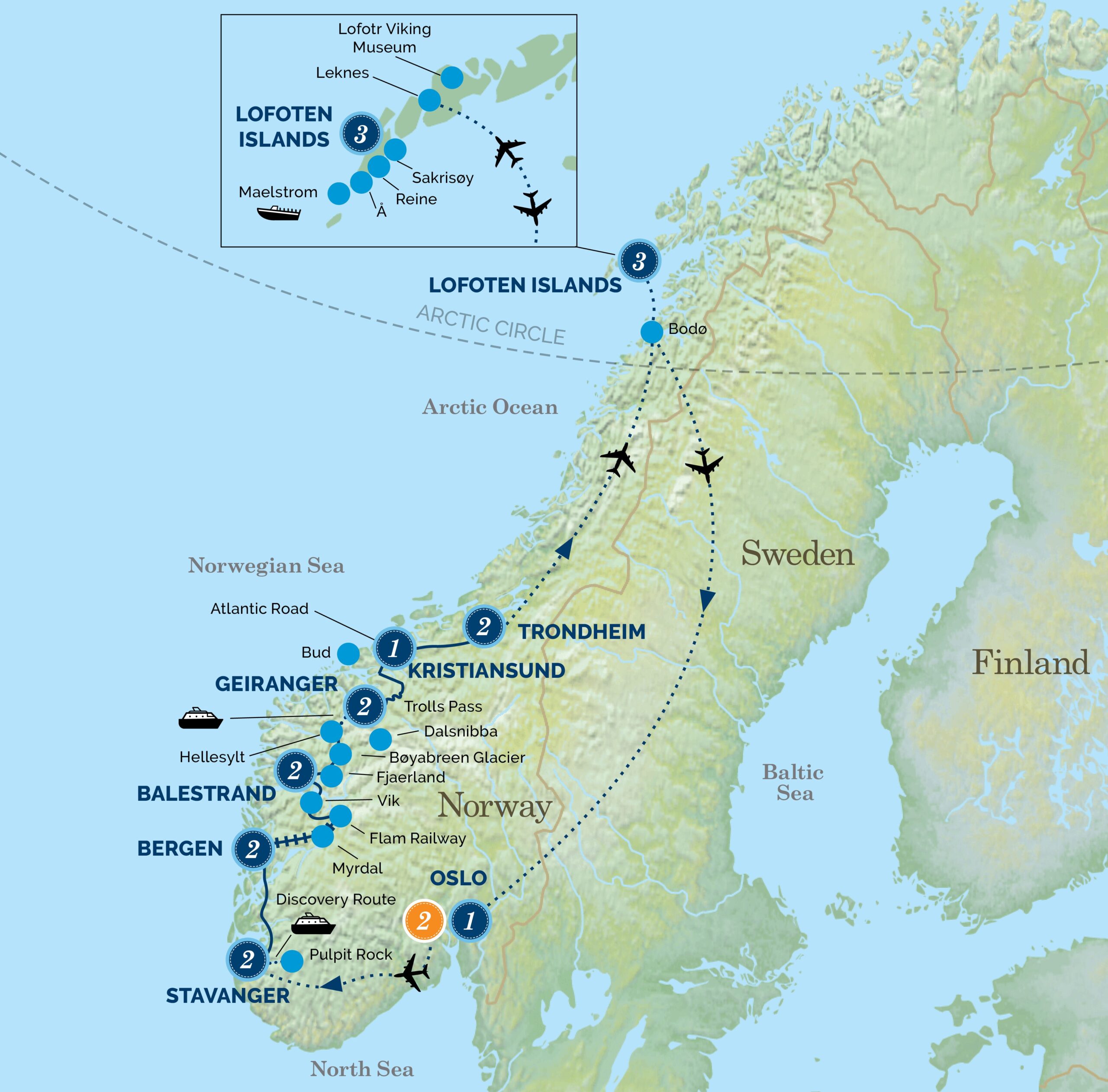
Furthermore, the fjords serve as reminders of Norway’s climatic history, showcasing the power of nature. Visitors are often drawn to renowned spots like Geirangerfjord, where the Seven Sisters Waterfall cascades boldly, creating a symphony of sound as water crashes against the rocks below. The vibrant, lush greenery contrasts dramatically with the stark, rugged mountain peaks, emphasizing nature’s dichotomy.
2. A Tapestry of Folklore: Gnomes, Trolls, and Huldra
Norwegian folklore is replete with enchanting stories, drawing deep cultural connections to the land. At the heart of this mythology are creatures like gnomes and trolls, which inhabit the rich, wooded landscapes. Gnomes, often depicted as wise guardians of nature, are believed to protect the earth’s secrets, whereas trolls are described as fearsome giants that roam the mountains and forests, particularly in the wilds of western Norway.
The tale of Huldra is particularly fascinating. She is portrayed as a beautiful woman with a cow’s tail, luring lonely travelers into the woods with her singing. This myth serves as a cautionary narrative, reflecting culture’s deeper understanding of societal boundaries and man’s relationship with the untamed wilderness.
These folktales are not merely whimsical; they symbolize historical local beliefs and values, revealing the intricacies of human nature in the face of the natural world’s vastness. They serve to explain the inexplicable, creating a shared narrative that fosters community bonds.
3. Viking Legacy: A Cultural Renaissance
The legacy of the Vikings continues to evoke fascination thousands of years later. These seafaring warriors and traders, who flourished from the late 8th to early 11th centuries, expanded Norway’s influence across Europe and beyond. The Viking Age is characterized by sophisticated shipbuilding and navigation, which facilitated transoceanic journeys. The Gokstad and Oseberg ships, excavated near Oslo, exemplify this mastery of craftsmanship and design.
Moreover, the Vikings were not just warriors; they were also explorers, settlers, and traders. Their forays into territories like North America, Greenland, and parts of Russia are a testament to their adventurous spirit and adaptability. The haunts of established Viking settlements are still visible in present-day Norway, with many museums dedicated to preserving this extraordinary heritage.
Curiously, the Vikings also contributed extensively to the linguistic and cultural tapestry of Norway. The Old Norse language holds enduring influence on modern Norwegian dialects, demonstrating how history continuously shapes contemporary identity.
4. A Nation of Midnight Sun and Northern Lights
Norway is famed for its unique celestial phenomena, which add to its allure. The Midnight Sun occurs during summer months, particularly above the Arctic Circle, where the sun never sets for several weeks. This surreal experience captivates both locals and tourists, extending daylight hours for exploration even into the late hours. It encourages a vibrant culture of outdoor activities and social gatherings.
Conversely, the Northern Lights, or Aurora Borealis, transform the winter skies into a dazzling display of colors. This visual spectacle graces the Arctic regions from late fall to early spring and is a natural wonder that continues to mystify observers. Both phenomena underscore the ethereal beauty of the natural world, providing residents and visitors with memorable experiences that evoke both wonder and introspection.
5. Sustainability and Connection to Nature
Norway’s commitment to environmental sustainability intertwines dramatically with its cultural identity. The nation actively promotes sustainable practices, inspired by its deep-rooted connection to nature. This ethos is evident in their efforts to preserve natural landscapes, including national parks and protected areas. The government emphasizes eco-friendly tourism, showcasing how modern advancements can harmoniously coexist with the environment.
Moreover, Norwegians’ love for the outdoors fosters a culture centered on exploration and conservation. From hiking the rugged terrain of the Lofoten Islands to kayaking in the pristine waters of the fjords, sustainability becomes integral, nurturing a collective responsibility towards the natural world.
6. Culinary Landscape: A Reflection of Heritage
The cuisine of Norway reflects its geographical diversity and the agricultural practices informed by its climate. Traditional dishes incorporate elements such as fish and lamb, highlighting the importance of local resources. Iconic delicacies such as rakfisk, fermented fish, challenge the palate and traditions. Beyond preservation methods, modern Norwegian cuisine embraces a farm-to-table philosophy, culminating in a culinary renaissance that respects the land.
In summation, Norway’s fjords, folklore, Viking heritage, and profound connection to nature define the unique characteristics that fascinate the world. Each aspect possesses not just aesthetic beauty but also a cultural narrative, combining to create a rich tapestry that resonates with history, adventure, and environmental stewardship. Woven together, these elements invite a deeper understanding of Norway—a land not just experienced, but felt.