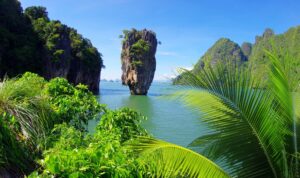
Sri Lanka, often referred to as the “Pearl of the Indian Ocean,” offers a mesmerizing tapestry of natural beauty, tumultuous history, and profound cultural wisdom. This island nation, with its idyllic beaches, lush rainforests, and the aroma of exotic spices, captivates the senses and invites exploration. Yet beneath its stunning vistas lies a narrative riddled with conflict and resilient strength, making Sri Lanka a destination that evokes both admiration and contemplation.
In examining Sri Lanka’s multifaceted allure, one must first appreciate its breathtaking landscapes. From the golden shores of Unawatuna to the verdant hills of Nuwara Eliya, the country’s geography is defined by its contrasts. The coastline boasts coral reefs and azure waters that tempt visitors for leisurely swims and exciting diving experiences. Meanwhile, the interior, adorned with terraced tea plantations, is a testament to nature’s artistry, where emerald slopes unfurl before the observer’s eyes, enticing wanderers to venture deeper into its embrace.
In juxtaposition to this natural beauty, the scars of civil unrest remain indelibly etched in the national psyche. The internal conflict that ravaged the country for nearly three decades serves as a poignant backdrop to its current renaissance. The tenacity with which the Sri Lankan people have rebuilt their lives speaks volumes about their collective spirit. Visitors often find themselves drawn not just to the sandy beaches or the ancient temples, but to the stories of resilience woven into everyday life.
To understand the complexity of Sri Lanka, one must delve into its historical narrative. Once a critical hub of maritime trade, its strategic location attracted various civilizations, each contributing to the melting pot of cultures that define the island today. From the ancient Sinhalese and Tamils to the influences of colonial powers—Portuguese, Dutch, and British—the intermingling of customs and traditions spawned a rich cultural heritage. This historical amalgamation is reflected in the island’s festivals, culinary delights, and linguistic diversity.
Culinary adventures in Sri Lanka are an exploration of flavor that mirrors its intricate history. The fusion of indigenous ingredients with spices brought by traders over centuries creates a delightful gastronomic landscape. Dishes like rice and curry—an embodiment of the island’s culinary creativity—offer a sensory experience that goes beyond mere sustenance. Authentic Sri Lankan cuisine employs pepper, cardamom, and cinnamon, masterfully blending these spices to create an aromatic symphony that delights the palate.
Yet, as intriguing as its culture may be, the ongoing quest for peace and unity remains at the forefront of Sri Lankan consciousness. The scars of the civil war serve as a reminder of the complexities that arise from ethnic diversity. Artists, writers, and thinkers within Sri Lanka strive to articulate their experiences, fostering dialogues around reconciliation and mutual understanding. Literature and art become vehicles through which Sri Lankans grapple with their past while envisioning a harmonious future, resonating with echoes of wisdom accumulated through hardship.
Religion in Sri Lanka adds yet another layer to this rich tapestry. The harmonious coexistence of Buddhism, Hinduism, Islam, and Christianity represents both the peace-seeking and conflict-ridden aspects of the nation. As predominantly a Buddhist country, Sri Lanka’s temples and monasteries provide spaces for meditation and reflection. These sacred sites serve as more than mere tourist attractions; they are living institutions where the teachings of compassion and mindfulness permeate daily life. Pilgrims and travelers alike find solace in these historical relics, engaging with the profound wisdom that transcends time.
The gentle cadence of life in Sri Lanka can also be discovered in its vibrant arts scene. Traditional dances, such as the Kandyan and Low Country dance, showcase the island’s cultural heritage, merging rhythm and storytelling. The intricate craftsmanship found in local art—be it woodwork, pottery, or textile production—reveals the skills passed down through generations. In these creative endeavors, the people of Sri Lanka celebrate their identity while weaving their stories into a collective narrative that honors the past while embracing the future.
Moreover, embracing eco-tourism accentuates a growing consciousness towards sustainability. The national parks of Yala and Udawalawe reveal the astonishing biodiversity for which Sri Lanka is renowned, showcasing elephants, leopards, and exotic birds. Proponents of eco-tourism advocate for a balance between exploration and preservation. By championing responsible travel, the island’s natural resources and wildlife can be safeguarded for generations to come, encouraging visitors not just to admire but also to protect.
Ultimately, Sri Lanka is an extraordinary confluence of beauty, strife, and enlightenment. The definitive charm and wisdom of this nation lie in its ability to rise from the ashes of adversity while cherishing its breathtaking landscapes and rich cultural legacy. It stands as a testament to what can emerge from resilience and the quest for harmony amidst diversity. As visitors embark on their journeys through this enchanting island, they encounter more than a mere travel destination; they experience a profound narrative woven from the threads of time, beckoning reflection on both the individual and collective paths we forge in our lives.
In essence, Sri Lanka invites all who tread upon its soil to engage deeply—not only with its striking beauty but also with the wisdom steeped in its history. As one gazes at the sun setting over the Indian Ocean, there lies an understanding that the island’s allure springs not solely from its breathtaking vistas but also from the indomitable spirit of its people and their shared journey through beauty, war, and wisdom.