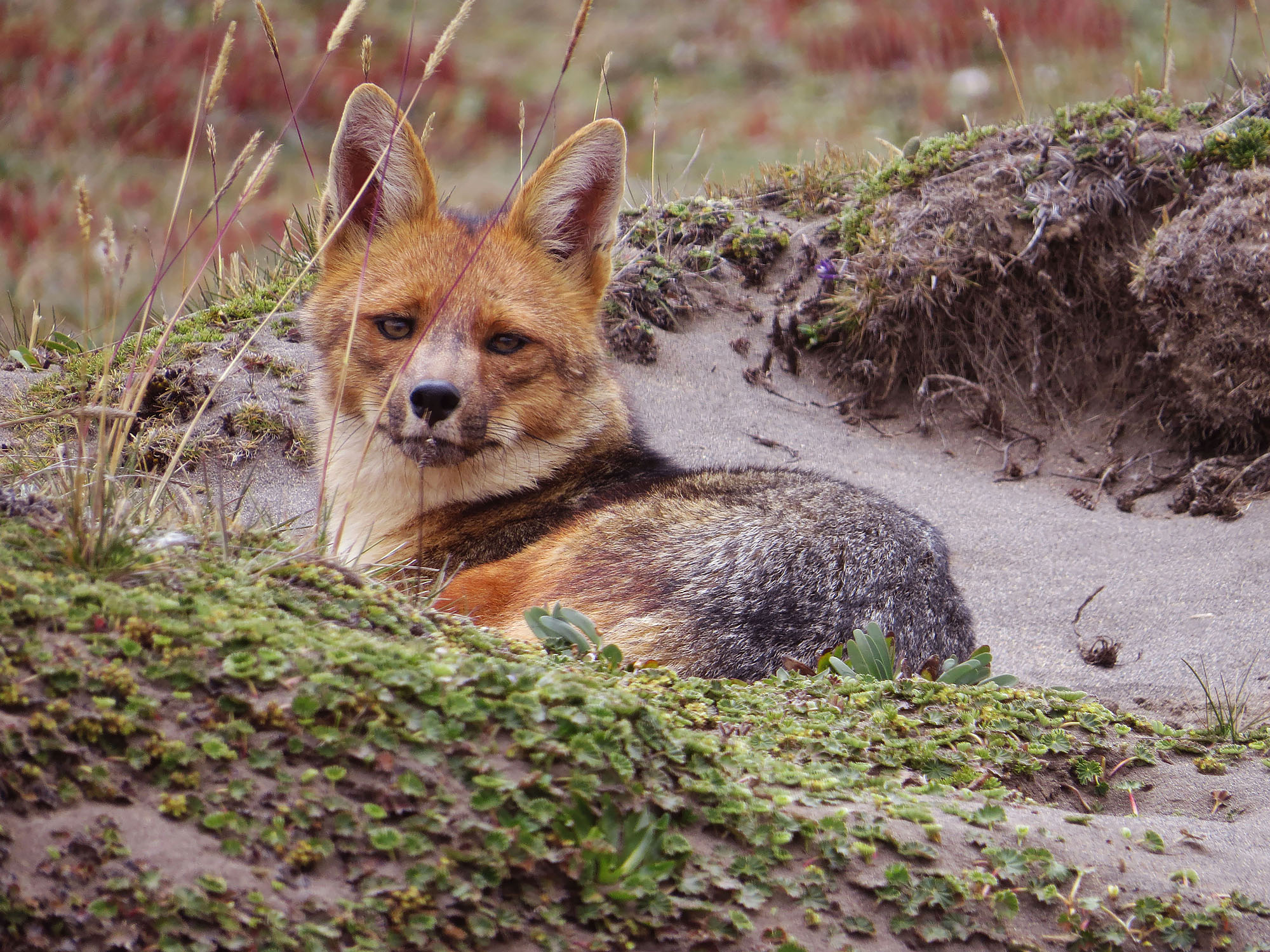
Ecuador, a small yet diverse nation straddling the equator, offers a plethora of remarkable attributes. From its unique geographical positioning to its rich cultural tapestry, the country captivates both first-time visitors and seasoned travelers alike. In this article, we delve into the myriad surprises and wonders of Ecuador, revealing random facts that highlight its distinctive essence.
1. The Equator: A Fascinating Divide
Ecuador is famously named after the equator (Ecuador in Spanish means “equator”), which bisects the nation. This location grants Ecuador a unique status, being one of the few countries in the world that derives its name from a geographical feature. Here, the sun is directly overhead at noon during the equinoxes, creating a rare phenomenon where shadows are almost nonexistent. The Mitad del Mundo monument, situated just outside Quito, serves as a tourist attraction to celebrate this unique geographical characteristic.
2. Biodiversity Beyond Compare
Ecuador is a veritable treasure trove of biodiversity. Within its relatively small land area, the country boasts an astonishing variety of flora and fauna. The Galápagos Islands, a UNESCO World Heritage Site, are famous for their endemic species and the role they played in Charles Darwin’s theory of evolution. In contrast, the Amazon rainforest, found to the east of the Andes, harbors an enormous array of wildlife, making Ecuador one of the most biodiverse countries on the planet.
3. The Avenue of the Volcanoes
The Andean mountain range in Ecuador is not just any mountain range; it is one of the most volcanic regions on Earth, dubbed “The Avenue of the Volcanoes.” Home to majestic peaks such as Cotopaxi—one of the highest active volcanoes in the world—and Chimborazo, which, due to the Earth’s bulge, is the closest point to the sun, these mountains offer stunning landscapes and adventurous hiking opportunities. The awe-inspiring volcanic activity has also shaped the culture and agriculture of the region.
4. Indigenous Cultures and Languages
Ecuador’s cultural landscape is profoundly influenced by its numerous indigenous groups, each with their own languages, traditions, and customs. Over a dozen indigenous languages are spoken throughout the country, with Quechua being the most widely recognized. The rich history of these peoples is reflected in their vibrant textiles, traditional ceremonies, and agricultural practices, which often involve sustainable techniques that have been passed down through generations.
5. A Culinary Paradise
Ecuadorian cuisine is an eclectic fusion of indigenous ingredients and European influences. Staples such as potatoes, corn, and quinoa take center stage, complemented by fresh seafood from the Pacific coast. Ecuador is also the birthplace of the famous ceviche—a dish brimming with seafood marinated in citrus juices. Meanwhile, the Andean region offers hearty dishes like hornado (roast pork) and llapingachos (potato pancakes), showcasing the country’s cultural diversity through its delectable culinary offerings.
6. The Enigmatic Galápagos Islands
The Galápagos Islands are perhaps the most internationally recognized aspect of Ecuador, contributing significantly to its allure. This archipelago is not only a haven for wildlife but also an important ecological reserve. Each island has its unique ecosystem, and visitors have the opportunity to encounter species found nowhere else on Earth, such as the Galápagos tortoise and marine iguanas. The islands also serve as a laboratory for studying evolution and conservation practices.
7. The Amazon Basin: A World of Wonders
While the Andean region garners much attention, the vast Amazon Basin in Ecuador offers an equally intriguing exploration. It is home to an array of indigenous communities that possess deep knowledge of the rainforest’s resources. The lush vegetation is interspersed with rivers teeming with life, providing essential habitats for countless species. Ecotourism and conservation efforts in this region are vital for preserving both the ecosystem and the cultures that thrive within it.
8. Weather Variability: The Magic of Microclimates
Ecuador is synonymous with microclimates due to its geographical diversity. The country experiences a remarkable range of weather conditions within small distances. Coastal regions are typically warm and humid, while the highlands may have cool temperatures. The Amazon region is characterized by high humidity and rain. This variability contributes to the region’s biological diversity and enriches agricultural practices, allowing for the cultivation of a multitude of crops.
9. The Enchantment of Ecuadorian Festivals
Festivities in Ecuador are a testament to its vibrant cultural heritage. The Inti Raymi, or Festival of the Sun, celebrates the Andean New Year and is rich with ancient rituals and colorful parades. The Day of the Dead, or Día de los Muertos, showcases a blend of indigenous and Spanish customs, where families honor their deceased loved ones with offerings. These celebrations not only signify the importance of community but also highlight the rich tapestry of Ecuadorian culture.
10. A Climate for Adventure
Ecuador is a veritable playground for outdoor enthusiasts. From hiking the Quilotoa Loop, an astonishing crater lake nestled in the Andes, to surfing the waves of Montañita on the Pacific coast, adventure awaits. The country offers a range of activities including trekking, mountain biking, and wildlife watching. National parks such as Cotopaxi and Cuyabeno provide accessible access to nature, further enhancing Ecuador’s appeal as an adventure destination.
In conclusion, Ecuador’s charm lies in its confluence of breathtaking landscapes, rich biodiversity, and diverse cultures. Each element encapsulates a part of what makes the country unique, inviting exploration and deep appreciation. Whether you stand upon the equator’s line, scale a volcanic peak, or immerse yourself in the vibrant traditions, Ecuador stirs fascination and wonder in every corner, demonstrating that its treasures are as diverse as its beautiful environment.