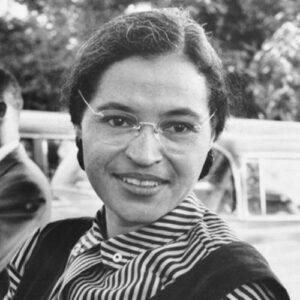
Langston Hughes, a titan of American literature, bestowed upon the world a trove of cultural insights that resonate profoundly across generations. His work, imbued with the rhythms of jazz, the cadence of spoken word, and the raw honesty of the human experience, encapsulates the struggles and joys of the African American community. But, what if we dared to challenge ourselves to unpack the cultural truths woven intricately within his poems and prose? Let’s embark on this journey through five cultural truths that not only echo Hughes’ legacy but also beckon us to reflect on our societal fabric.
1. The Resilience of the Human Spirit
At the heart of Hughes’ works lies an undying spirit—an unwavering resilience that exemplifies the capacity of individuals to endure hardships. He frequently spotlighted the trials faced by African Americans, yet he illuminated these burdens not with despair, but with hope. “Hold fast to dreams,” he famously professed, suggesting that dreams are not merely ephemeral, but fundamental to human existence. This truth echoes universally: how do we, as a society, uplift those whose dreams are stifled by inequality? Embracing resilience invites us to ponder our role in fostering environments where aspirations can flourish.
2. The Power of Voice
Hughes firmly believed in the power of voice, particularly the authentic voice of the marginalized. He asserted that art, in its myriad forms, is a powerful vehicle for expressing discontent and striving for change. In works like “The Negro Speaks of Rivers,” Hughes utilizes a rich tapestry of imagery and metaphor to pay homage to the collective experiences of his people. This begs the question: how can we elevate the voices often silenced in contemporary discourse? Recognizing and amplifying voices from various backgrounds fosters a richer narrative tapestry that reflects the true essence of our collective experience.
3. The Fusion of Culture and Identity
Hughes masterfully blended elements of culture into his identity, crafting a persona that transcended mere representation. He celebrated African American culture through jazz, blues, and folk traditions, intertwining these elements with literary artistry. This fusion reveals a cultural truth: identity is multifaceted and ever-evolving. As we reflect on Hughes’ legacy, we might contemplate how we embrace or suppress our own cultural intersections. Are we allowing ourselves to be defined by a singular narrative, or are we courageously exploring the labyrinth of our identities?
4. The Intricacies of Social Justice
In Hughes’ perspective, social justice was not merely an abstraction; it was an urgent reality demanding confrontation. His poetry often tackled issues of racism, economic disparity, and social injustice, resounding as potent reminders of the ongoing struggles. Poems like “Let America Be America Again” capture a juxtaposition of dreams versus realities, imploring readers to acknowledge their complacency in societal issues. This cultural truth compels us to ask: how actively are we engaging in the fight for equity? The challenge lies not just in acknowledgment, but in actionable steps towards justice.
5. The Role of Art in Culture
Art, for Hughes, was an indispensable facet of cultural expression—a lens through which societal truths could be scrutinized and celebrated. His works provide an unvarnished look at life, utilizing poetry as a means to bridge divides and foster empathy. “I too, sing America,” he declared, emphasizing inclusion and recognition in the American narrative. This invites us to reflect: how are we currently utilizing art to challenge societal constructs? By engaging with diverse artistic expressions, we can foster greater understanding and connection among varied cultural identities.
In essence, the cultural truths articulated through Langston Hughes’ work are not merely relics of the past; they are propositions that urge us to examine our present and future. His resilient spirit, advocacy for voice, celebration of identity, pursuit of social justice, and appreciation for art challenge us to look inward and outward simultaneously. Are we prepared to embrace these truths in our modern context? How do we carry forth the legacy of Hughes as torchbearers of cultural sensitivity and awareness? As we continue to navigate the complexities of our world, let us draw inspiration from Hughes’ poignant insights and commit to fostering a society that champions resilience, creativity, and justice for all.