Turkey, a land steeped in antiquity and resplendent culture, serves as a bridge between Eastern and Western civilizations. Its rich history is punctuated by eclectic influences, astonishing culinary offerings, and vibrant traditions. This article delves into fascinating aspects of Turkey, unraveling the intricate tapestry of its culture, cuisine, and history.
1. A Melting Pot of Cultures
Turkey occupies a unique geostrategic position straddling Europe and Asia, a location that has historically served as a cultural crossroads. Throughout millennia, various empires have flourished here, including the Hittites, Phrygians, Greeks, Persians, and Ottomans. The amalgamation of these diverse heritages has produced a kaleidoscopic culture that celebrates traditions, languages, and beliefs from multiple backgrounds.
2. The Great Ottoman Empire
At the heart of Turkey’s historical narrative lies the Ottoman Empire, which reigned for more than six centuries from the late 13th century until the early 20th century. This empire not only expanded its territory across three continents but also fostered immense cultural advancements in art, architecture, and science. The opulence of Ottoman palaces, such as the Topkapi Palace in Istanbul, provides a tangible glimpse into a storied past marked by grandeur and sophistication.
3. Architectural Marvels
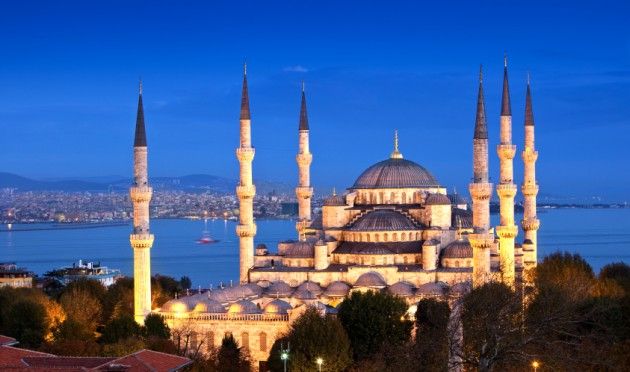
Turkey is renowned for its breathtaking architectural landmarks. The Hagia Sophia, originally a cathedral, later a mosque, and now a museum, stands as an enduring symbol of Istanbul’s historical significance. Its majestic dome, intricate mosaics, and minarets showcase an architectural fusion that reflects the city’s rich past. Similarly, the Blue Mosque, a stunning example of classical Ottoman architecture, captivates visitors with its six minarets and ornate blue tiles.
4. Gastronomic Diversity
Turkey’s culinary landscape is a delightful reflection of its historical and cultural diversity. Each region of Turkey offers distinct flavors and dishes, from the seafood of the Aegean coast to the rich stews of the Central Anatolia. Staples such as kebabs, dolmas (stuffed vegetables), and mezes (appetizers) tantalize the palate. One must not overlook the ubiquitous baklava, a syrup-soaked dessert layered with nuts and phyllo pastry, epitomizing Turkish sweet treat indulgence.
5. The Ritual of Coffee
Turkish coffee is more than a beverage; it is a cultural ritual steeped in tradition. Recognized by UNESCO as an Intangible Cultural Heritage, its preparation is an art form in itself. Coffee is ground to a fine powder, simmered with water in a special pot called a cezve, and served unfiltered, often accompanied by a sweet treat. The fortune-telling practice of reading coffee grounds, known as tasseography, adds a layer of mystique to this convivial experience.
6. Folk Traditions and Festivals
Turkish culture is rich with folk traditions, many of which are preserved and celebrated through vibrant festivals. The Whirling Dervishes, representing Sufi mysticism, engage in a mesmerizing performance that captivates audiences. Festivals like the Istanbul Music Festival and the Cappadocia Balloon Festival celebrate art, music, and the beauty of the scenery. These rich traditions foster connections among communities, bridging generational gaps and celebrating heritage.
7. A Land of Wonders
Turkey is home to some of the world’s most stunning natural wonders. Pamukkale’s surreal travertine terraces display shimmering blue thermal pools cascading down white limestone cliffs, creating a picturesque landscape worth visiting. Similarly, the fairy chimneys of Cappadocia, resulting from volcanic activity and erosion, serve as a unique geographical phenomenon that offers visitors an enchanting experience. These breathtaking sites highlight the intersection of nature and history, fostering curiosity and admiration.
8. Rich Linguistic Heritage
The Turkish language, part of the Turkic language family, is a vibrant linguistic tapestry with influences from Arabic, Persian, French, and Italian. Turkish employs a unique vowel harmony system, making it distinctive within the Indo-European language family. The language’s adaptability reflects the country’s extensive history and multicultural influences, contributing to the richness of its expressive capabilities.
9. The Cuisine of Hospitality
Central to Turkish culture is the ethos of hospitality. It is customary for hosts to offer refreshments, often engaging in lengthy conversations over meals. Sharing food signifies respect and friendship, illustrating the importance of communal bonds in Turkish society. Traditional dishes are often served on shared platters, inviting diners to partake and savor the experience collectively.
10. The Influence of Religion
Islam plays a pivotal role in shaping Turkey’s societal norms, customs, and festivals. The call to prayer, heard five times daily, resonates through cities and towns, beckoning the faithful to pause and reflect. Ramadan, a month of fasting and spiritual contemplation, culminates in joyous celebrations known as Eid al-Fitr, fostering a sense of community and solidarity among families and friends.
In conclusion, Turkey’s intricate blend of culture, cuisine, and history culminates in a rich, multifaceted identity. This magnificent country invites exploration, offering insights into its past and present narrative. Whether savoring the delightful flavors or wandering through its historical landmarks, Turkey promises an enriching encounter that shifts perspectives and ignites curiosity about its enduring legacy.