1. Historical Prelude to Independence
July 4, 1776, marks a pivotal moment in American history—the adoption of the Declaration of Independence. This document, primarily authored by Thomas Jefferson, was a declaration of the thirteen American colonies’ intent to separate from British rule. However, the event was not an immediate celebration; it signified the onset of a protracted struggle for independence, encompassing years of war and negotiation before the United States would truly be free.
2. The Birth of a National Holiday
While the Declaration was ratified on July 4, 1776, it wasn’t until 1870 that the day was formally recognized as a federal holiday. Initially, it was celebrated sporadically across various states, with individuals and communities organizing their own festivities. Recognizing the need for a unified celebration, Congress designated July 4th as a national holiday, fostering a sense of unity among the newly formed nation.
3. The Symbols of Independence
Beyond mere fireworks and barbecues, the Fourth of July is rich with symbolism. The American flag, adorned with its 13 stripes and 50 stars, not only serves as a representation of the states but also embodies the resilience of the nation. The flag’s colors—red for valor, white for purity, and blue for vigilance—resonate deeply with the values of independence. Each year, millions proudly display these colors to invoke a spirit of patriotism.
4. Fireworks: A Fiery Tradition
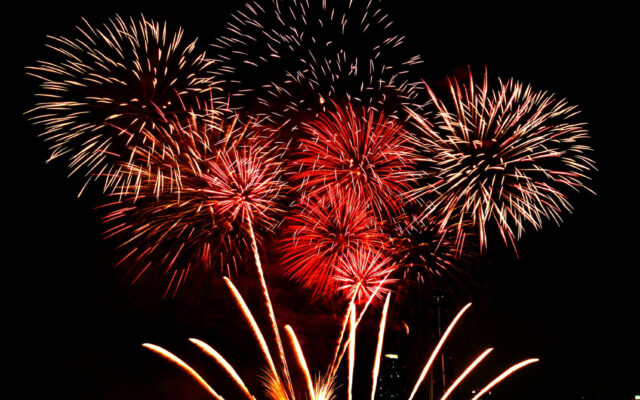
The integration of fireworks into the Fourth of July celebration was inspired by the grand spectacle of pyrotechnics that graced the skies during the ratification of the Declaration. John Adams famously envisioned fireworks as part of the celebrations, believing they would symbolize the joy and freedom of the new nation. Over time, this incandescent spectacle grew into one of the defining features of the holiday, transforming night skies into a canvas of vibrant colors.
5. The First Celebration
The inaugural celebration of Independence Day took place in 1777, one year after the ratification of the Declaration. It was marked by fireworks in Philadelphia, along with speeches and toasts to the nation’s newfound freedom. This early observance laid the groundwork for future celebrations, combining elements of patriotism, community, and festivity.
6. Culinary Traditions on the Fourth
Independence Day has become synonymous with quintessential American food—grilling burgers, hot dogs, and corn on the cob have taken precedence. Regional culinary traditions also flourish; for instance, New Englanders often enjoy lobster rolls, while the southern states may opt for barbecued ribs. These culinary customs not only tantalize taste buds but also bring families and communities together, reinforcing bonds over shared meals.
7. The Influence of Music
Music plays an integral role in Fourth of July celebrations. Patriotic songs, ranging from “The Star-Spangled Banner” to “America the Beautiful,” evoke a sense of unity and national pride. Parades and celebrations often feature performances that pay homage to American history and values, creating an atmosphere steeped in nostalgia while encouraging newer generations to appreciate their heritage.
8. A Global Celebration
Interestingly, the Fourth of July isn’t just an American phenomenon. Expatriates and Americans living abroad often organize celebrations, replete with barbecues, fireworks, and music, to commemorate their homeland. In cities around the world, from London to Tokyo, the day is marked with a uniquely American flair, showcasing the influence of the United States on a global scale.
9. The Emphasis on Freedom and Democracy
At its core, the Fourth of July represents more than just the birth of a nation; it symbolizes the ideals of freedom and democracy. As Americans gather to celebrate, they reflect on the sacrifices made by countless individuals who fought to uphold these principles. The day serves as a poignant reminder of the ongoing struggle for equality and justice, urging citizens to remain vigilant in their pursuit of liberty for all.
10. Future of Independence Day Celebrations
As societal values evolve, so too do the celebrations of Independence Day. Inclusivity and social justice are increasingly prevalent themes at public events. Communities are embracing diverse representations of American identity, ensuring that the narrative of freedom is not just a tale of the past but a living testament of the future. These progressive shifts in perspective seek to encompass the experiences and histories of all Americans, crafting a more unified narrative.
11. Environmental Considerations
In recent years, there has been a growing awareness regarding the environmental impact of traditional Fourth of July celebrations, particularly fireworks. Many communities are exploring eco-friendly alternatives to the explosive displays that often pollute the air and disturb wildlife. This shift not only aims to protect the environment but also encourages innovative ways to celebrate the nation’s independence, marrying tradition with sustainability.
12. Fourth of July Trivia
To cap off the celebrations, trivia games centered around the Fourth of July can enhance the festive atmosphere. Did you know that two former presidents—John Adams and Thomas Jefferson—both died on July 4? Or that the Liberty Bell, a symbol of American independence, was first rung on this day in 1776? Engaging in such trivia not only adds fun but also deepens the understanding of the historical context surrounding the holiday.
The Fourth of July remains a tapestry woven with threads of history, culture, and shared experiences. Through its multifaceted celebrations of freedom, the day invites everyone to partake in a narrative that has evolved over centuries, promising a dynamic and enriching collective memory of what it means to be united in diversity.