Paris, often referred to as the City of Light, is a treasure trove of history, culture, and elegance. Its streets are imbued with stories, and its architecture tells tales of a bygone era. This article delves into interesting facts about Paris, exploring its style evolution, rich history, and some hidden gems that add to the city’s mystique and allure.
1. The Evolution of Style in Paris
Paris has long been synonymous with fashion and style, serving as a global trendsetter since the 17th century. The emergence of haute couture in the mid-19th century transformed the city into the world’s fashion capital. Designers like Charles Frederick Worth are credited with pioneering this art form, establishing the tradition of presenting collections to an elite audience.
Over the decades, styles have evolved dramatically. In the 1920s, the flapper aesthetic encapsulated the spirit of liberation and innovation, while the 1960s brought forth the bold and eclectic styles of youth rebellion. Today, Paris Fashion Week remains one of the most prestigious events on the global fashion calendar, showcasing both established brands and emerging talent. The influence of street style has also emerged as a powerful force, reflecting the dynamic and diverse culture of the city.
2. Architectural Marvels
One cannot speak of Paris without acknowledging its architectural grandeur. The Eiffel Tower, constructed in 1889, stands as an iconic symbol of Parisian culture. However, the city is also home to a multitude of architectural styles, from Gothic to Art Nouveau. The Notre-Dame Cathedral, a quintessential example of French Gothic architecture, impresses with its intricate façade and stunning stained-glass windows.
Not to be overlooked is the Centre Pompidou, designed by architects Renzo Piano and Richard Rogers. This modern marvel is characterized by its exposed skeleton of colorful pipes and structures, challenging conventional architectural norms. The juxtaposition of the old and new architecture highlights Paris’s ability to evolve while honoring its rich historical tapestry.
3. The Legacy of Art and Culture
Paris is renowned as a cradle of artistic innovation, drawing luminaries such as Picasso, Monet, and Van Gogh. The Musée du Louvre, once a royal palace, is the world’s largest art museum and a historic monument. It houses works like the Mona Lisa, a pinnacle of artistic achievement, yet also offers lesser-known treasures waiting to be discovered by the intrepid. The museum’s layout itself serves as a spectacle, with its glass pyramid entrance contrasting beautifully against the classical architecture.
The Montmartre district, with its bohemian atmosphere, was home to famed artists and writers. Its winding streets host the Basilique du Sacré-Cœur and a plethora of quaint cafés that served as intellectual hubs. This neighborhood remains a testament to the city’s ongoing artistic spirit, where visitors can engage with street artists and live performances.
4. Gastronomic Delights
Parisian cuisine is a fusion of tradition and innovation, boasting an array of culinary delights that cater to diverse palates. While classic French dishes such as coq au vin and ratatouille remain staples, the emergence of fusion cuisine reflects the city’s multicultural makeup.
One cannot overlook the artisanal bakeries scattered throughout Paris, offering freshly baked baguettes and delectable pastries. A visit to a local patisserie provides an exploration of intricate flavors that exemplify the finesse of French gastronomy. From éclairs to macarons, these treats are not merely food; they are art forms that show the dedication of their creators.
5. Hidden Gems in Paris
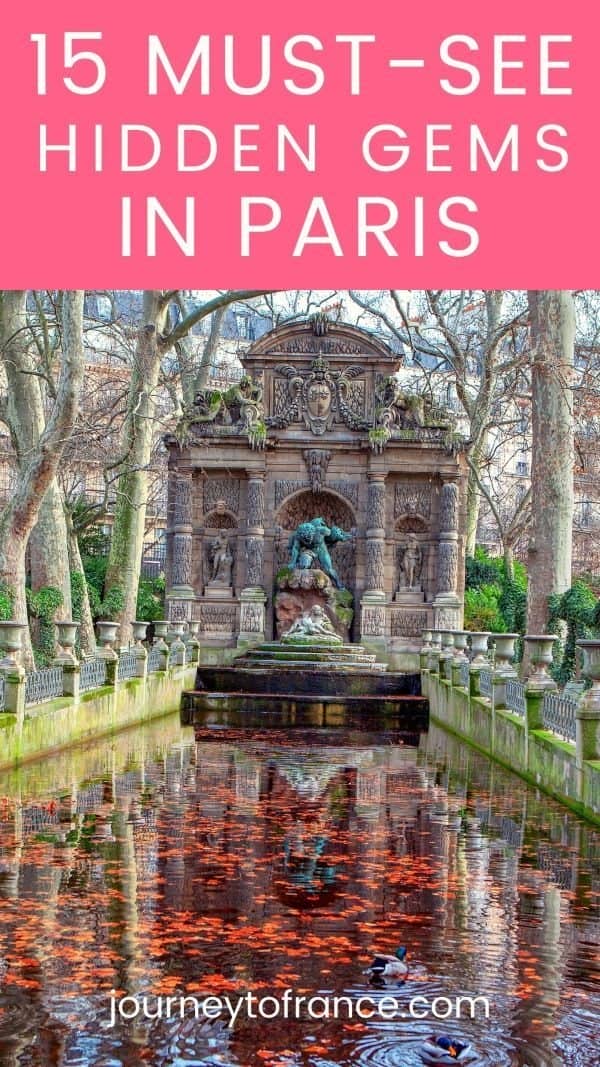
Beyond the well-trodden tourist routes, Paris is brimming with hidden gems that offer unique experiences. The Parc des Buttes-Chaumont, for instance, is a picturesque park featuring lush greenery, cliffs, and a stunning temple. It is an oasis of tranquility, away from the bustling city life, perfect for leisurely strolls or contemplative picnics.
The Île de la Cité, often overshadowed by Notre-Dame, harbors the historic Sainte-Chapelle. This gothic chapel is lauded for its breathtaking stained glass that narrates biblical stories through vibrant colors. The sunlight filtering through these glass panels creates an ethereal atmosphere, captivating all who enter.
Another jewel is the covered passages of Paris, such as Galerie Vivienne. These enchanting arcades, lined with boutique shops and quaint cafés, transport visitors to a different era, offering a glimpse of 19th-century Parisian life.
6. The Parisian Public Transport System
While walking through the city is a delightful way to absorb its charm, the Paris Métro stands as a marvel of public transportation. Known for its extensive network and efficiency, it allows both locals and tourists to traverse the city with relative ease. The Métro stations themselves are often adorned with art, created as part of initiatives to enhance the commuting experience.
The RER trains provide access to suburban areas, offering a different perspective of the city and its outskirts. Overall, the public transport system is both functional and integral to the city’s rhythm, enabling a seamless exploration of its sites.
7. Unraveling the Secrets of the Catacombs
For those seeking a more macabre experience, the Catacombs of Paris present a fascinating underground world. These ossuaries house the remains of over six million Parisians and date back to the late 18th century. Its winding tunnels tell a story of the city’s history, from overcrowded cemeteries to the urban planning crises of the time.
The catacombs are not only a chilling reminder of mortality but also an essential part of Paris’s historical narrative. Visiting this site offers a unique glimpse into the city’s past, challenging preconceived notions of Paris as merely a romantic destination.
In conclusion, Paris is a city that effortlessly melds history, culture, fashion, and gastronomy. Its evolution is expressed not only through its iconic landmarks but also through the hidden treasures waiting to be uncovered. For those willing to delve deeper, the City of Light reveals a multifaceted persona that continues to captivate the imagination of all who wander its streets.