1. The Origins of the Name
The name “New York” has its roots in the early 17th century when the area was initially settled by the Dutch. Originally called “New Amsterdam,” the settlement was renamed in 1664 in honor of the Duke of York after the British seized control. This name change marked a significant transition in the city’s governance and cultural influence.
2. The City that Never Sleeps
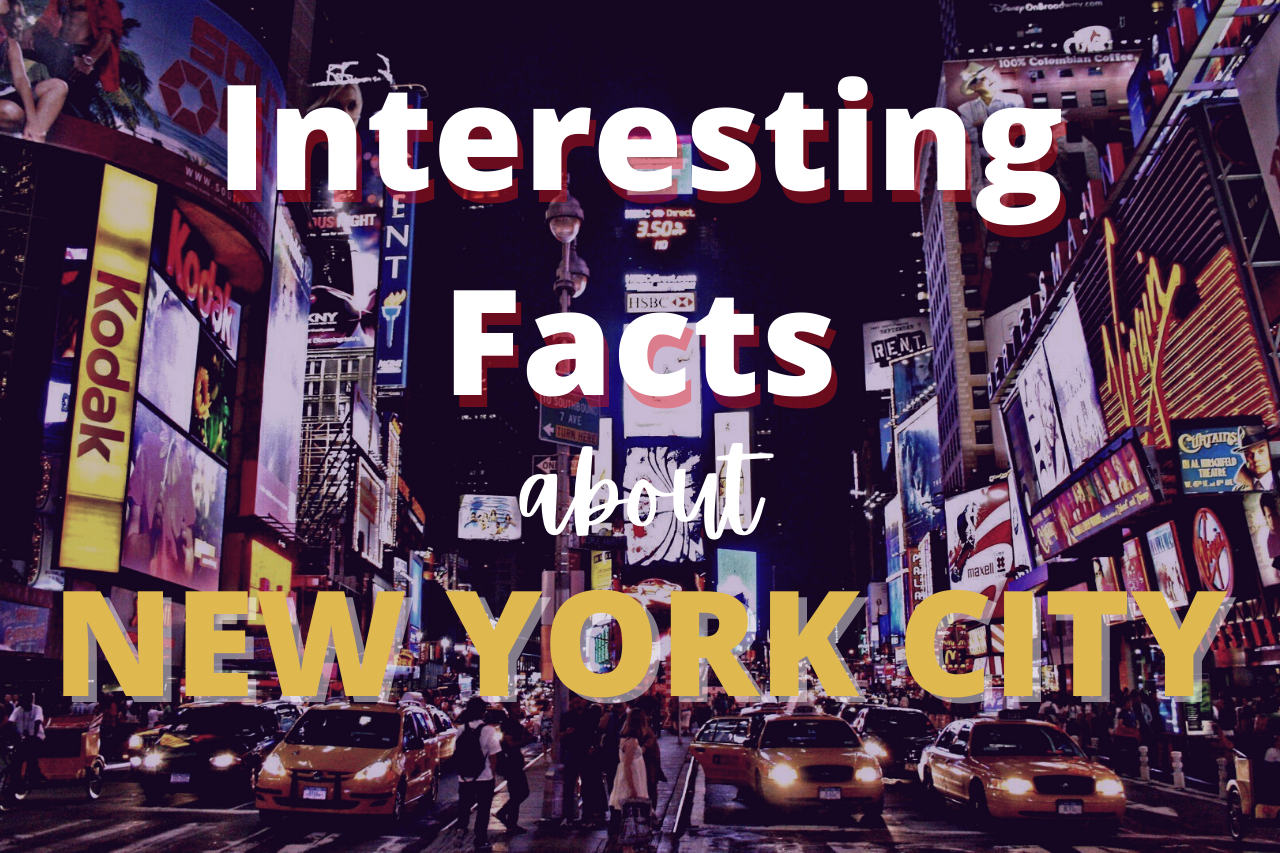
New York City famously bears the moniker “The City That Never Sleeps,” and this is not mere hyperbole. With a dizzying array of 24-hour establishments, from diners to subway services, the vibrancy of New York transcends traditional day-and-night cycles. This characteristic contributes to its dynamic atmosphere, appealing to both night owls and early risers alike.
3. The Architectural Marvels
Home to an impressive array of architectural styles, New York City is a veritable treasure trove for design enthusiasts. From the ornate Gothic designs of St. Patrick’s Cathedral to the sleek, modern lines of the One World Trade Center, the skyline showcases an eclectic mix of historical and contemporary aesthetics. The city boasts over 1,700 notable skyscrapers, many of which are recognized as some of the tallest and most iconic in the world.
4. A Cultural Melting Pot
New York City is often described as a microcosm of the world due to its rich tapestry of cultures. With over 800 languages spoken across the five boroughs, the city offers an unparalleled cultural experience. Neighborhoods like Chinatown, Little Italy, and Harlem serve as vibrant embodiments of the ethnic diversities that shape the city’s identity. Culinary adventures abound, from street vendors offering tantalizing treats to Michelin-starred restaurants serving gourmet cuisines from various continents.
5. The Green Spaces
Despite its concrete jungle persona, New York City is home to abundant green spaces. Central Park, the most famous urban park in the world, spans 843 acres and provides a serene oasis amidst the bustling city. Numerous gardens, parks, and recreational spaces, such as the High Line and Prospect Park, offer New Yorkers and visitors alike a chance to relax, exercise, or enjoy a picnic in nature.
6. Historical Landmarks
The city is replete with historical landmarks that encapsulate its storied past. The Statue of Liberty, a gift from France, symbolizes freedom and democracy. Ellis Island served as the gateway for millions of immigrants seeking the American Dream. These landmarks are not just tourist attractions; they stand as testaments to the city’s diverse history and the myriad narratives that have unfolded within its boundaries.
7. The Boroughs: A City Within a City
New York City comprises five distinct boroughs: Manhattan, Brooklyn, Queens, The Bronx, and Staten Island. Each borough possesses its own unique character and spirit. For instance, Manhattan is known for its hustle and bustle, while Brooklyn is celebrated for its artistic communities and artisanal cafés. The Bronx is home to the famous Yankee Stadium, and Queens is appreciated for its culinary diversity. Staten Island offers a quieter suburban atmosphere, connected to Manhattan by the scenic Staten Island Ferry.
8. An Epicenter of Arts and Entertainment
As a global capital of arts and entertainment, New York City is the cradle of Broadway, where world-class theatrical performances captivate audiences. Moreover, the art scene flourishes with renowned institutions like The Metropolitan Museum of Art and The Museum of Modern Art (MoMA). Galleries abound in neighborhoods such as Chelsea and the Lower East Side, highlighting emerging artists and innovative displays. Concerts, festivals, and cultural events pepper the calendar, ensuring that creativity thrives year-round.
9. The NYC Subway System
The New York City subway system is one of the largest and most complex in the world, comprising 472 stations and over 665 miles of track. Opened in 1904, it serves millions of commuters daily. The subway is not just a mode of transportation; it is a cultural phenomenon, with artists performing in stations and vibrant mosaics and murals adorning the walls. Navigating the system is an experience in itself, often requiring a deep understanding of its intricate map and timetable.
10. The Financial Hub
Wall Street, located in the Financial District of Manhattan, is synonymous with global finance and economics. The New York Stock Exchange (NYSE), a cornerstone of the financial market, plays a pivotal role in shaping global economies. As the headquarters for numerous Fortune 500 companies and financial institutions, NYC continues to influence worldwide economic trends significantly.
11. The Innovative Spirit
New York City is renowned for its pioneering spirit and innovation. From the inception of groundbreaking technology companies in Silicon Alley to advances in film and media facilitated by the city’s rich resources, NYC is a hub for innovation across numerous sectors. The entrepreneurial energy is palpable, with incubators and co-working spaces proliferating to foster the next generation of startups.
12. Celebrations and Traditions
New York City hosts an array of celebrations that reflect its diverse culture. Events like the Macy’s Thanksgiving Day Parade, the New Year’s Eve ball drop in Times Square, and the West Indian American Day Carnival fill the city with festivity and camaraderie. These traditions not only draw tourists but also unite New Yorkers in shared experiences, solidifying a sense of community across the city.
Conclusion
New York City is a bastion of history, culture, and innovation. Each of its diverse components contributes to an ever-evolving narrative that captivates residents and visitors alike. From its iconic skyline to its vibrant neighborhoods, the Big Apple continues to be an exhilarating and multifaceted destination that undoubtedly leaves a lasting impression.