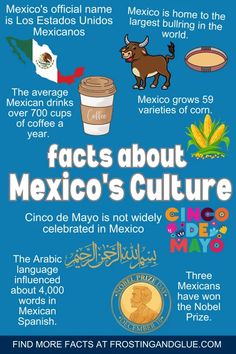
Mexico, a land brimming with cultural nuances, vibrant colors, and a rich tapestry of history, offers a plethora of fascinating facts that beckon exploration. From its profound indigenous heritage to the colonial influences that shaped its cities, Mexico’s identity is multifaceted and inherently compelling.
Cultural Melting Pot
Mexico boasts one of the most diverse cultural landscapes found anywhere in the world. With 68 recognized indigenous languages spoken throughout the country, each language represents an entire worldview. The rich linguistic tapestry complements the over 300 distinct ethnic groups, each contributing unique traditions and rites, often passed down through generations.
The Day of the Dead
One of the most emblematic celebrations in Mexico is the Día de los Muertos (Day of the Dead). Unlike the somber tone typically associated with death, this festival is a jubilant occasion that honors deceased loved ones. Altars adorned with marigolds, photographs, and favorite foods create vibrant offerings that invite spirits back to the realm of the living. It symbolizes a communal connection to the past and an acceptance of mortality in a profoundly humanized way.
Artistic Expression
Art is interwoven into the fabric of Mexican culture, manifesting in myriad forms, from traditional folk art to contemporary masterpieces. The vivid murals of Diego Rivera and Frida Kahlo illustrate not only personal stories but also sociopolitical commentaries that resonate deeply with Mexican heritage. Meanwhile, traditional crafts like Talavera pottery and intricately woven textiles showcase the artisanal prowess honed over centuries.
Culinary Delights
The culinary scene in Mexico is equally vibrant and diverse. Recognized by UNESCO as an Intangible Cultural Heritage of Humanity, Mexican cuisine melds indigenous ingredients like corn, beans, and chili peppers with Spanish influences, resulting in a flavorful symphony noted for its complexity. From street tacos to mole sauces, each dish tells a story, reflecting local customs, landscapes, and seasonal ingredients.
Colorful Festivals
Festivals in Mexico are a riot of color, music, and dance. The Guelaguetza festival in Oaxaca, for instance, showcases traditional music and dance from different regions, creating a dazzling display of cultural pride. Similarly, the Carnaval de Veracruz features parades, costumes, and lively rhythms that capture the spirit of unity and joy, drawing visitors from around the globe.
Rich Historical Tapestry
The history of Mexico is a labyrinthine journey marked by monumental civilizations, such as the Olmecs, Mayans, and Aztecs. The ancient city of Teotihuacan, once one of the largest urban centers of the ancient world, is still a site of awe and exploration. The imposing Pyramid of the Sun and the Pyramid of the Moon stand as testaments to the architectural and astronomical sophistication of their builders, fostering a deep respect for the ambition of human ingenuity.
The Colonial Legacy
Following Spanish conquest in the 16th century, Mexico entered a period of profound transformation. Colonial architecture, exemplified by baroque-style churches and haciendas, narrates stories of a tumultuous history. Cities like Mexico City and Guanajuato highlight this intersection of indigenous and European influences, with their picturesque plazas adorned with colonial buildings and vibrant murals telling tales of resilience.
Wildlife and Natural Beauty
The natural landscapes of Mexico are as captivating as its history and culture. Home to diverse ecosystems ranging from deserts to tropical jungles, Mexico boasts an impressive array of flora and fauna. The monarch butterfly’s migratory journey to the Sierra Madre mountains is a remarkable natural phenomenon, showcasing the marvel of biodiversity that thrives in the country’s varied environments.
Artisan Markets
Exploring artisan markets provides a tangible experience of Mexican culture. From Oaxaca’s markets filled with handmade textiles to the vibrant crafts of Chiapas, these spaces serve as living museums where traditional craftsmanship thrives. The lively banter of artisans, the aromatic spices wafting through the air, and the kaleidoscope of colors from handcrafted goods create an immersive experience that piques curiosity and fuels the spirit of exploration.
TheRole of Religion
Religion occupies a central place in Mexican life, blending pre-Hispanic beliefs with Catholicism. From pilgrimages to sacred sites like the Basilica of Our Lady of Guadalupe to vibrant celebrations such as Semana Santa (Holy Week), faith manifests in communal expressions of devotion. These practices imbue everyday life with meaning, enriching the cultural ethos of the country.
Mexico’s Global Influence
In the contemporary world, Mexico’s influence extends far beyond its borders. The exportation of culture, whether through music genres like mariachi and salsa, or cinema and literature, resonates globally. Notable figures such as Guillermo del Toro and Octavio Paz have positioned Mexican art and literature on the stage of international acclaim, showcasing the capacity for cultural storytelling that transcends realms and resonates universally.
Mexico is undeniably a land of contrasts and harmonies, where historical legacies fuse with contemporary expressions to create a vibrant cultural mosaic. Each facet—from its indigenous roots to its colonial past—invites individuals to delve deeper, fostering a profound appreciation for a country that continues to evolve while cherishing its heritage.