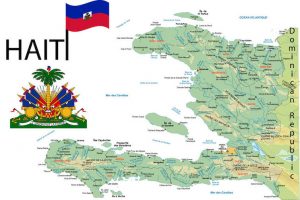
Haiti, an island nation nestled in the Caribbean, offers a unique blend of culture, creativity, and resilience. Often overlooked and misunderstood, this vibrant country is a treasure trove of art, history, and rich traditions that promise to change any preconceived notions. Here are some fascinating facts about Haiti that illuminate its cultural richness and indomitable spirit.
1. A Dual Heritage
Haiti boasts a remarkable heritage, being the first nation in the Western Hemisphere to gain independence from colonial rule. In 1804, following a brutal revolution against French colonial powers, Haiti declared itself a sovereign state. This monumental achievement makes Haiti not only a symbol of resistance but also a beacon of hope for oppressed peoples worldwide.
2. The Birthplace of Voodoo
Voodoo, often misrepresented in popular culture, has its roots in Haitian spirituality. It is a syncretic religion that blends African traditions with Catholicism, showcasing an intricate web of rituals, music, and dance. Far from the sinister portrayal found in movies, Voodoo is a profound and community-oriented faith that emphasizes connection and healing. Celebrations, such as the annual Fête à Papa Loko, illustrate the vibrancy of this spiritual practice, attracting participants from all walks of life.
3. A Flourishing Art Scene
The art of Haiti is a vivid reflection of its culture, often characterized by bold colors and a dynamic interplay of forms. Haitian artists, such as Hector Hyppolite and Préfète Duffaut, have gained international recognition for their unique styles, combining folk elements with contemporary themes. Art in Haiti is not merely for aesthetic pleasure; it participates in storytelling and serves as a medium to communicate the nation’s history and aspirations. The Iron Market in Port-au-Prince is a hub of artistic expression, where local artisans sell their crafts and showcase cultural narratives.
4. Music as a Cultural Cornerstone
Music is woven into the very fabric of Haitian society. Traditional genres such as Compas, Rara, and Mizik Rasin (Roots Music) echo the country’s historical and social narratives. Festivals like Kanaval bring together communities, where vibrant parades, colorful costumes, and the infectious rhythm of drums unite people in celebration. Through music, Haitians convey their struggles, dreams, and collective identity, making it an integral part of their heritage.
5. Culinary Diversity
Haitian cuisine is an eclectic mix of flavors, influenced by African, French, and indigenous Taino cooking methods. Dishes like Griot (fried pork) and Joumou soup (pumpkin soup served on New Year’s Day) not only tantalize the palate but also symbolize cultural identity and resistance. Food in Haiti is more than sustenance; it’s a communal experience, often prepared and shared during familial gatherings and festive occasions. The use of locally sourced ingredients like mangoes and avocados amplifies the connection to the country’s rich agricultural landscape.
6. Resilient People
The spirit of Haitians is encapsulated in their term “grit,” reflecting a remarkable ability to persevere in the face of adversity. The 2010 earthquake devastated much of the nation, yet the resilience exhibited during recovery efforts is nothing short of inspiring. Communities banded together, demonstrating solidarity and strength. Initiatives focusing on sustainable development and grassroots movements continue to rise, showcasing the commitment of Haitians to not only rebuild but to advance their society.
7. Language and Literature
Language is an essential element of Haitian identity, with Haitian Creole (Kreyòl) and French being the official languages. Kreyòl, steeped in history, is a testament to the country’s blend of cultures and is used in daily communication, literature, and even media. Writers such as Edwidge Danticat and Frankétienne have garnered acclaim for their contributions to Haitian literature, deftly weaving narratives that depict the complexities of life in Haiti. This literary richness adds depth to the cultural tapestry of the nation.
8. The Breathtaking Landscape
Beyond its cultural vibrancy, Haiti is adorned with stunning landscapes. From the pristine beaches of Jacmel to the verdant hills of the Plateau Central, natural beauty abounds. The Citadelle Laferrière, a UNESCO World Heritage site, stands majestically against the backdrop of the northern mountains, symbolizing the monumental battle for freedom. Nature in Haiti is not only about beauty; it symbolizes resilience, having witnessed the triumph and tribulations of its people throughout history.
9. Holistic Approaches to Healing
In Haiti, wellness practices exhibit a deep connection to nature and community. The use of herbal medicine, combined with traditional healing methods, reflects a holistic understanding of health. Community-based practices are predominant, emphasizing care routines that involve not just the individual but the extended community, illustrating a culture deeply rooted in collective well-being.
10. Bright Futures: Youth Empowerment
Amidst challenges, the youth of Haiti embody hope and drive, advocating for change and progress. Organizations focusing on education, technology, and entrepreneurship cultivate a sense of agency among the younger generations. Initiatives promote skill development and innovation, thereby reinforcing the idea that Haiti’s future rests on the shoulders of its youth, ready to carve out new narratives for themselves and their communities.
In conclusion, Haiti is much more than its struggles and obstacles; it is a country rich in history, culture, and resilience. The vibrancy of its people, their artistic expression, culinary traditions, and unwavering determination paint a picture of a nation ready to inspire change. To explore Haiti is to delve into a dynamic narrative that celebrates creativity and communion, offering an invigorating perspective on Caribbean strength.