Grasslands are some of the most intriguing ecosystems on our planet, hosting a myriad of life forms and exhibiting dynamic landscapes. Spanning vast geographic regions, these fertile territories are often overlooked in favor of more glamorous environments like rainforests or deserts. However, a deeper exploration into their unique characteristics reveals the profound complexities and rich biodiversity that define them. Herein are several remarkable facts about grasslands that unveil their hidden wonders.
1. Definition and Types of Grasslands
Grasslands are defined as large open spaces dominated primarily by grasses and herbaceous plants. These regions typically experience moderate to low rainfall—enough for grasses to thrive, but insufficient to support extensive tree growth. Broadly, grasslands can be classified into two main types: temperate grasslands and tropical grasslands. Temperate grasslands, including the North American prairies and the Eurasian steppes, display distinct seasons with significant temperature variations. In contrast, tropical grasslands, or savannas, found in regions like Africa and Australia, maintain a more consistent warm climate interspersed with seasonal rainfall.
2. Biodiversity Hotspots
Despite their seemingly simplistic composition, grasslands harbor an astonishing variety of species. From towering grasses to minute insects, grasslands serve as habitats for an extensive array of flora and fauna. Large herbivores like bison, antelope, and zebras graze on the abundant grasses, while predators such as lions and wolves play essential roles in maintaining ecological balance. Notably, grasslands support many ground-nesting birds and insects, contributing to the intricate web of life that thrives in these ecosystems.
3. The Role of Fire
Fire is a natural and vital component of many grassland ecosystems. While it may appear destructive at first glance, periodic wildfires play a crucial role in maintaining the health of these landscapes. They clear away dead vegetation, allowing sunlight to reach the soil and promote the growth of native grasses. Fire also helps control invasive species that could otherwise overshadow indigenous plants, thereby preserving biodiversity. As a result, many grassland species have evolved to thrive in post-fire conditions, further underscoring the intricate relationship between fire and grassland ecology.
4. Soil Composition and Fertility
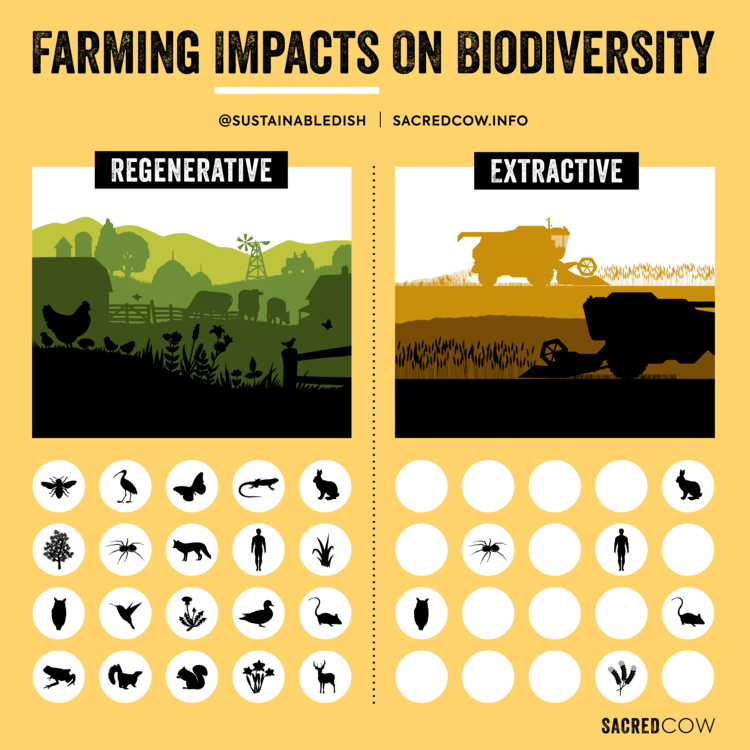
The soils found in grassland regions are renowned for their high nutrient content, making them some of the most fertile on the planet. The decomposition of organic matter from grass roots contributes to rich humus, which enhances soil structure and fertility. This characteristic has significant implications for agriculture, as vast areas of grasslands have been converted into croplands to support human populations. However, this transformation has raised concerns regarding soil degradation and habitat loss, emphasizing the need for sustainable land management practices.
5. Grassland Conservation Challenges
Despite their ecological significance, grasslands are increasingly threatened by human activities. Urbanization, agricultural expansion, and climate change have led to habitat fragmentation and loss. Such pressures have resulted in declining populations of many grassland species and pose a risk to the delicate balance that sustains these ecosystems. Conservation initiatives are essential to restore and protect grassland habitats, and efforts include rewilding projects, controlled burns, and the establishment of protected areas.
6. Unique Adaptations of Flora and Fauna
Many grassland species have evolved fascinating adaptations that enable them to thrive in their environment. Grasses, for instance, exhibit a unique growth form known as “basal meristem,” allowing them to regrow rapidly after being grazed or damaged. This trait is essential for survival in environments where herbivory is a constant threat. Additionally, various insects have developed camouflaging abilities, blending seamlessly with their surroundings to evade predators. Such adaptations underscore the dynamic interplay between species and their environments, revealing how life in grasslands has evolved to meet ecological demands.
7. Cultural Significance
Grasslands have historically played a pivotal role in the cultures and livelihoods of numerous human societies. Indigenous peoples often relied on the resources provided by these landscapes for food, shelter, and sustenance. Grasslands are also revered in many traditions for their spiritual significance and are celebrated in folklore, storytelling, and art. Today, they remain integral to agricultural practices and rural economies, serving as critical areas for grazing livestock and cultivating crops.
8. Climate Regulation
The role of grasslands in climate regulation cannot be overstated. They sequester significant amounts of carbon dioxide, and their extensive root systems help mitigate soil erosion, promote water infiltration, and sustain hydrological cycles. As global temperatures rise, preserving grassland ecosystems can be a key strategy in combating climate change and fostering resilience within affected regions.
9. Aesthetic and Recreational Value
Grasslands offer breathtaking vistas and are now considered essential for recreational opportunities. They provide spaces for hiking, wildlife viewing, birdwatching, and photography, attracting nature enthusiasts from all walks of life. The open landscapes, adorned with seasonal blooms and expansive skies, evoke a sense of tranquility and connection to nature that is increasingly sought after in today’s fast-paced world.
10. The Future of Grasslands
The future of grasslands hinges on the collective efforts of conservationists, policymakers, and communities. By fostering a greater understanding of these ecosystems’ value, there is hope for the preservation and restoration of grassland habitats. Research and education are key to elevating awareness regarding the importance of these landscapes, ensuring they remain a vibrant part of our planet’s ecological tapestry.
In conclusion, grasslands are not merely expanses of green; they are complex ecosystems teeming with life and vitality. Their contributions to biodiversity, agriculture, climate regulation, and cultural heritage are profound. With responsible stewardship, we can safeguard these vital landscapes for future generations, unlocking the hidden wonders they hold.