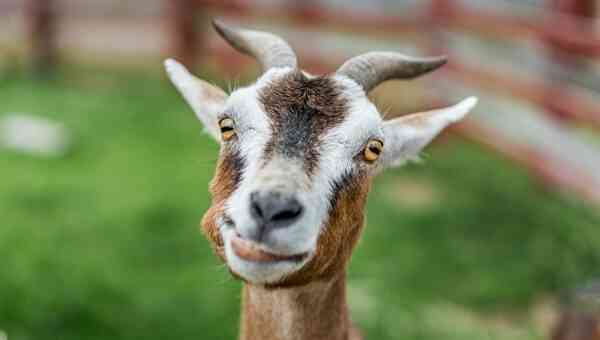
Goats are fascinating creatures, often underestimated and overshadowed by more conventional pets or livestock. While they are commonly associated with rustic farm life, their unique characteristics and behaviors offer a myriad of intriguing insights that deserve attention. This article delves into the quirky, curious, and clever attributes of goats, challenging conventional perspectives and piquing interest in these charismatic animals.
1. An Ancient Domestication
Goats have played a pivotal role in human civilization for thousands of years. Archaeological evidence suggests that they were among the first domesticated animals, with their domestication tracing back to approximately 10,000 years ago in the Middle East. This bond has shaped not only agricultural practices but also cultural identities, with goats being revered and celebrated across various cultures worldwide.
2. A Unique Communication Style
While many animals have their ways of vocalizing, goats have a repertoire of bleats that convey a range of emotions and messages. Each specific sound can indicate distress, joy, or the need for attention. Their vocalizations are complex, and studies have indicated that goats can even recognize and respond to the bleats of other goats, showcasing an impressive level of social interaction.
3. Exceptional Climbing Skills
Often referred to as the “mountain goats” of the animal kingdom, many goat breeds possess incredible agility and dexterity. Their cloven hooves provide exceptional grip on steep and rocky terrains, allowing them to navigate challenging landscapes with ease. This unique adaptation not only aids in foraging but also provides an avenue for escape from predators.
4. Inventive Problem Solvers
Goats are not merely playful; they are also astute problem solvers. Through exploration and curiosity, goats demonstrate an ability to learn and adapt to their surroundings. Research has shown that they can navigate mazes and find their way to rewards, indicating a significant level of cognitive function. They often utilize trial-and-error methods to overcome obstacles in their environment.
5. Social Animals with Hierarchical Structures
Goats are inherently social beings and thrive within a herd. Their social structure is hierarchical, with dominant goats exhibiting leadership traits and influencing the group’s dynamics. This social organization helps maintain order and facilitates group activities such as grazing and foraging. Goats establish close bonds, often forming deep connections with specific individuals within their herd, highlighting their emotional intelligence.
6. Unorthodox Eating Habits
Many people perceive goats as indiscriminate grazers, yet their dietary preferences are much more nuanced. Goats are selective browsers, meaning they prefer to eat a variety of fibrous plants, shrubs, and even tree bark rather than grass alone. This adaptability in diet allows them to thrive in diverse environments, from arid climates to lush, green pastures.
7. Unique Eye Structure
One of the most striking features of goats is their horizontal, rectangular pupils. This anatomical quirk affords them an expansive field of vision, nearly 320 degrees! This adaptation helps them remain vigilant against predators, as they can see behind them without turning their heads. The pupils adjust to varying light conditions, enabling goats to navigate their surroundings effectively.
8. Diverse Breeds with Distinct Traits
The goat world is incredibly diverse, featuring over 300 distinct breeds worldwide. Each breed possesses unique physical characteristics, temperamental traits, and utilitarian purposes. From the miniature Nigerian Dwarfs, beloved for their charm, to the powerful Boer goats, prized for meat production, the variety among breeds makes goats an incredibly versatile species.
9. Emotional Depth and Empathy
Recent studies have illuminated the emotional capacity of goats, revealing their ability to experience joy, fear, and empathy. They are known to cry out for friends separated from the herd and can exhibit signs of distress when a companion is unwell. Their emotional intelligence speaks to a deeper bond between humans and goats, underscoring their potential as companion animals.
10. Innovative Farming Companions
As conscientious environmental stewards, goats can play a vital role in sustainable farming practices. Their selective browsing habits allow them to effectively manage weeds and invasive plant species in natural areas, reducing the need for chemical herbicides. Additionally, their natural foraging behaviors contribute to soil health and enhance biodiversity within farming ecosystems.
11. The Rich Cultural Symbolism of Goats
Throughout history, goats have been imbued with rich symbolism. In various cultures, they symbolize fertility, sacrifice, and even stubbornness. From ancient mythologies, such as the Greek god Pan, depicted as a goat-human hybrid, to contemporary representations in folklore and art, goats evoke a profound cultural significance that transcends mere agricultural roles.
12. Playful Personalities
With a natural zest for life, goats are known for their playful and curious temperament. Their antics often involve jumping, head-butting, and climbing, leading to endless entertainment for those who observe them. This playful nature is essential for their mental stimulation, allowing goats to explore their environment and develop intricate social relationships.
Conclusion
In contemplating goats, we uncover a world where intelligence, playfulness, and social dynamics intertwine. These quirky, curious, and clever creatures force us to reevaluate our assumptions and embrace a broader understanding of animal cognition and behavior. Far from being mere rustic companions, goats are dynamic and multifaceted beings worthy of admiration and respect. By shifting our perspective, we not only enhance our appreciation for goats but also encourage a deeper connection with the natural world that surrounds us.