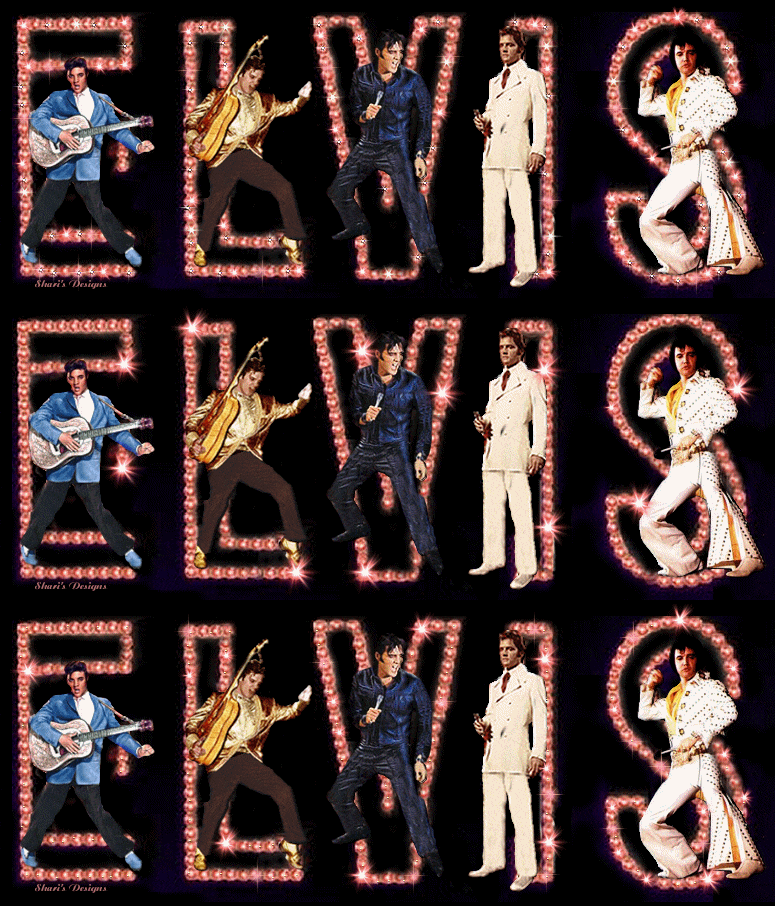
Elvis Presley, often lauded as the King of Rock and Roll, left an indelible mark on the world of music and popular culture. His life was a tapestry of extraordinary achievements, personal struggles, and cultural significance. Below are intriguing facts that unravel the complexities and allure of this legendary figure.
1. A Humble Beginning
Born in Tupelo, Mississippi, on January 8, 1935, Elvis Aaron Presley was the only child of Vernon and Gladys Presley. The family struggled financially, residing in a shotgun house in a working-class neighborhood. This humble beginning instilled in him a profound appreciation for music at a tender age, encouraging his passion for songwriting and performance.
2. A Unique Musical Blend
Elvis’s music transcended genre boundaries. He effortlessly combined elements of blues, country, gospel, and rhythm and blues. This eclectic style was revolutionary, resonating with diverse audiences and paving the way for future artists. He was often regarded as a unifying figure in a racially segregated America, fostering an environment where various musical influences could coalesce.
3. The Las Vegas Residency
In the 1960s and 1970s, Elvis became synonymous with Las Vegas entertainment. His residency at the International Hotel in 1969 marked a significant transition in popular music performances, transforming Las Vegas into a premier destination for live concerts. His shows were characterized by elaborate stage productions and fervent audience engagement, setting the standard for entertainers who followed.
4. Cinematic Ventures
Beyond music, Elvis ventured into film. He starred in 31 feature films, blending his musical talent with acting. While many of his films were panned by critics, they solidified his status as a cultural icon. The most notable among them include “Jailhouse Rock” and “Blue Hawaii.” These films showcased his charisma and helped broaden his appeal, capturing the imaginations of millions.
5. A Charitable Heart
This multifaceted star was also known for his philanthropic interest. Elvis donated significant sums to various charities throughout his career, including hospitals and educational institutions. Despite the grandeur of his lifestyle, he remained connected to his roots, often giving back to the community that shaped his formative years.
6. Iconic Image and Celebrity Status
Elvis’s appearance was as revolutionary as his music. His pompadour hairstyle, flashy jumpsuits, and classic sideburns became defining elements of his image. He embodied a certain rebelliousness that resonated with youth culture during the 1950s and 1960s. This sartorial choice contributed to his status as a fashion icon, influencing countless fans and fellow artists alike.
7. Military Service
In 1958, at the height of his fame, Elvis was drafted into the U.S. Army. His service lasted two years, during which he achieved the rank of Sergeant. This period marked a strategic pivot in his career, as he maintained his fanbase through letters and generous interaction with supporters. His military service presented him as an everyman, further endearing him to fans who appreciated his humility.
8. Personal Struggles
Elvis’s life was not without its tribulations. He battled numerous personal issues, including prescription drug addiction, which ultimately contributed to his early demise in 1977. These struggles have given rise to myriad discussions about the pressures of fame and their psychological toll on artists. His challenges are a poignant reminder of the complexities beneath the glitzy surface of celebrity.
9. Musical Legacy
Elvis is often credited as one of the most significant cultural icons of the 20th century. His influence extends far beyond his music; he impacted fashion, film, and social attitudes. Artists across genres cite him as an inspiration, including The Beatles, Michael Jackson, and many others. His catalog, featuring over 600 songs, continues to be celebrated and rediscovered by new generations.
10. Graceland: More Than a Home
Graceland, Elvis’s lavish mansion in Memphis, Tennessee, is a pilgrimage site for fans worldwide. Opened to the public in 1982, it remains one of the most visited homes in America. The property serves as a museum celebrating his life and achievements, allowing visitors a glimpse into the world of the King. The significance of Graceland extends beyond mere nostalgia; it represents the enduring legacy of an artist who changed the landscape of music.
11. The King’s Enduring Influence
Even after his passing, Elvis’s impact is palpable. Tributes, cover versions, and dedicated festivals perpetuate his memory. His music continues to be a staple across radio stations, and new documentaries and biopics exploring his life keep his story alive. This enduring fascination is indicative of his larger-than-life persona and the cultural revolution he epitomized.
12. A Multifaceted Persona
While Elvis was often depicted as a charismatic performer, he also possessed a deeply introspective side. He poured his heart into his music, often drawing upon personal experiences for inspiration. This duality in his character — the sensational showman and the sensitive artist — continues to fascinate the public and academic analysts alike.
In summation, Elvis Presley emerges as a complex figure who navigated the turbulent waters of fame, creativity, and personal turmoil. He remains a vital part of the cultural narrative, a testament to the transformative power of music and the enduring allure of a man who truly became the King.