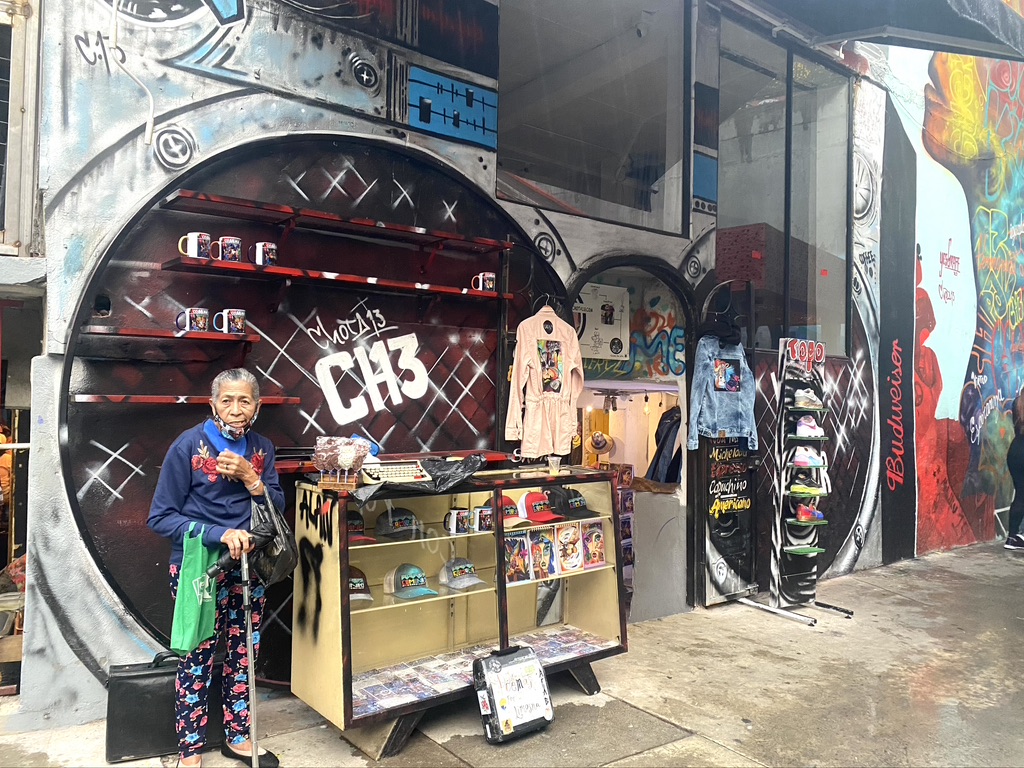
Colombia is a nation where vibrant colors mingle with rich history, where coffee cultivates not just the land but also a cultural identity. Parked at the junction of South America’s northwestern edge, Colombia expands from the Caribbean to the Amazon. This geographic diversity, akin to a painter’s palette, gives rise to a myriad of unique features, cultures, and traditions. Here are some fascinating facets about Colombia that illustrate its colorful essence in coffee and culture.
1. The Coffee Triangle: A Sip of History
Nestled in the verdant hills of the Andes, the Coffee Triangle—comprising the provinces of Caldas, Quindío, and Risaralda—serves as the heart of Colombia’s coffee production. This region is not merely about beans; it is an experience steeped in tradition. Colombians consider coffee as a cultural emblem, almost like the national flower, the Orchid. The coffee here is characterized by its smoothness and a unique spectrum of flavors, ranging from caramel and chocolate to fruity notes. The meticulous cultivation process, from planting to harvest, reflects the Colombian’s dedication to quality.
2. UNESCO Heritage: Coffee Cultural Landscape
In 2011, UNESCO recognized the Coffee Cultural Landscape of Colombia as a World Heritage site. The sprawling coffee farms are dotted with traditional “fincas” (farms) where the craft of coffee-making remains largely artisanal. This designation is not merely ceremonial; it underscores the cultural significance of coffee in community development, showcasing how agrarian practices interlink with local customs and sustainable lifestyles. The landscape itself, a melange of terraces and lush vegetation, is a vital narrative of the region’s history.
3. A Melodic Tapestry: Colombian Music
Colombia’s musical landscape is a reflective window into its complex cultural tapestry. Genres like Cumbia and Vallenato encapsulate the heart and soul of the nation. Cumbia, originating from the coastal regions, marries Indigenous, African, and Spanish rhythms, serving as a metaphor for the rich amalgamation of Colombia’s population. This multi-faceted soundscape embraces the spirit of celebration, encapsulating the joy and resilience of its people. Festivals across the nation often erupt into vibrant displays of dance and music, where the rhythms pulsate like a heartbeat anchoring the community together.
4. Biodiversity Hotspot: Nature’s Palette
Colombia is second only to Brazil in terms of biodiversity, housing over 59 national parks and more bird species than any other country on the planet. The diverse ecosystems range from the Andes mountains to the Amazon rainforest, boasting a cornucopia of flora and fauna. This rich biodiversity speaks to the country’s biogeographical significance, creating an ecological canvas where every brushstroke—from the vibrant hues of tropical flowers to the myriad colors of the birds—adds to the splendor of life. Each region displays its own vibrant tapestry of life, promising adventure and education for the eco-conscious traveler.
5. A Culinary Journey: Flavors of Colombia
The Colombian culinary scene is an embodiment of its cultural diversity, a sumptuous feast where every dish tells a story. From the coastal regions to the Andean highlands, local ingredients, such as arepas, patacones, and sancocho, reflect cultural confluences. Street food vendors share culinary treasures that pull upon Indigenous roots while inviting a global influence. Experimenting with flavors, the Colombian palate is an evolving narrative showcasing resilience and ingenuity.
6. Community Spirit: Festivities and Rituals
Colombians have an infectious zest for life, which manifests beautifully through their many festivals, celebrated throughout the year. The Barranquilla Carnival, a UNESCO Masterpiece of the Oral and Intangible Heritage of Humanity, exemplifies joyous self-expression, where vibrant costumes and rhythms flood the streets. The festival is akin to a colorful eruption, celebrating life and heritage amidst the scenic backdrop of the Caribbean coast. These festivals embody a rich tapestry of shared history and cultural pride, where dance, music, and gastronomy meld into an unforgettable experience.
7. A Land of Legends: Myth and Folklore
In Colombia, folklore is a living entity, teeming with tales that echo through time. Stories like La Llorona, the weeping woman, and El Mohán, a river spirit, are interwoven into the very fabric of Colombian identity. These legends act as moral compass points and cautionary tales, enriching the cultural landscape with depth and resonance. The oral tradition flutters like a butterfly, carrying messages from the past while inspiring contemporary narratives that sustain cultural dialogues.
8. The Jewel of the Caribbean: Cartagena
Cartagena, with its cobblestoned streets and colonial architecture, encapsulates a rich historical tableau that draws visitors into a world of vibrant colors and tales of yore. The city’s historic center is a UNESCO World Heritage site, encapsulated by impressive walls that echo centuries of history. The blending of Indigenous, Spanish, and African influences creates a unique cultural experience marked by art, music, and gastronomy. Strolling through the alleys of Cartagena is akin to meandering through an artist’s canvas, alive with color and creativity.
9. Evolving Urban Centers: Bogotá and Medellín
Colombia’s urban centers, such as Bogotá and Medellín, reflect the dynamic pulse of contemporary culture. Bogotá, the capital, is a cultural hub, boasting museums, art galleries, and a vibrant nightlife. Meanwhile, Medellín has transformed from a troubled past into a beacon of innovation and resilience, known for its exceptional public transport and commitment to sustainability. These cities showcase the evolving narrative of Colombia, intertwined with aspirations for growth and transformation, revealing the tenacity of its people.
10. A National Pride: The Flag of Colombia
The Colombian flag, adorned with bright yellow, blue, and red stripes, is a colorful representation of its national identity. The yellow signifies the country’s wealth and resources, blue represents the oceans and rivers, while red symbolizes the blood spilled for independence. This simple yet profound emblem serves as a reminder of the nation’s values, resilience, and hopes, fluttering proudly in the face of adversity while beckoning people to explore the vibrancy of its culture.
In essence, Colombia is not merely a destination; it is an experience woven together by coffee, culture, and the indomitable spirit of its people. Its landscapes are reflections of the nation’s dynamic history and rich heritage, inviting you to drink deeply from its colorful cup of life.