Brasília, the capital city of Brazil, is often hailed as a remarkable exemplar of modernist urban planning. Conceived in the 1950s and inaugurated as the capital in 1960, it embodies an ambitious vision of progress and innovation. This listicle unveils intriguing facts about Brasília, revealing the city’s historical significance, architectural splendor, and sociocultural vibrancy.
1. A City Planned from Scratch
Unlike most capitals, Brasília was meticulously designed rather than organically developed. The city was envisioned by architect Oscar Niemeyer and urban planner Lúcio Costa. Their innovative concepts emphasized a layout resembling an airplane, with government buildings forming the body and wings. This unique design underscores Brasília’s role as a symbol of Brazil’s aspirations for modernity.
2. UNESCO World Heritage Status
In 1987, Brasília was declared a UNESCO World Heritage site. This designation is a testament to its groundbreaking modernist architecture and urban planning. The recognition highlights not only the aesthetic value of the city but also its unique contribution to the development of architectural thought in the 20th century.
3. The Cathedral of Brasília
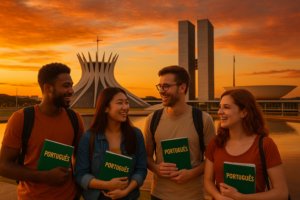
One of the most iconic structures in the city is the Cathedral of Brasília, an architectural masterpiece by Niemeyer. The hyperboloid structure, with its 16 curved columns, supports a stunning glass roof that filters natural light, creating an ethereal atmosphere. The cathedral is not merely a place of worship; it stands as an emblem of Brasília’s cultural identity.
4. Urban Population Growth
Brasília is one of the fastest-growing cities in Brazil, attracting a diverse population seeking opportunities. Originally designed for a population of 600,000, the city has surpassed two million residents. This growth poses challenges, particularly regarding housing and infrastructure, yet it also enriches Brasília’s cultural tapestry.
5. A Hub of Diplomatic Activity
Since its establishment as the capital, Brasília has become the epicenter of Brazil’s political and diplomatic activities. Many embassies and international organizations have their headquarters here, making the city a focal point for diplomacy in South America. The urban layout facilitates access to vital institutions, underscoring its significance on the global stage.
6. A City Without Slums
Remarkably, Brasília is characterized by a lack of traditional slums, or favelas, which are prevalent in many Brazilian cities. Instead, the city features distinct housing sectors designed for various socioeconomic classes. Although inequality persists, the initial urban planning aimed to provide housing for diverse groups, showcasing an aspiration for inclusivity.
7. Green Spaces Abound
Designed with environmental considerations in mind, Brasília is interspersed with vast parks and green spaces. The city’s planners incorporated nature into its layout, making it one of the greenest capitals in the world. Parks like Parque da Cidade support a plethora of outdoor activities, promoting health and well-being among citizens.
8. The Palazzo of Itamaraty
The Itamaraty Palace serves as the headquarters of Brazil’s Ministry of Foreign Affairs. Renowned for its striking design, this building exemplifies Niemeyer’s architectural prowess. The structure features elegant reflecting pools and meticulously landscaped gardens, creating an aura of diplomacy and grace that invites visitors into its serene environment.
9. A City of Monuments
Brasília features an impressive array of monuments commemorating significant events and figures in Brazilian history. One notable example is the Memorial JK, which honors Juscelino Kubitschek, the president who championed the city’s creation. The design echoes the spirit of Brasília, serving as both a tribute and a testament to the dreams embodied in the city itself.
10. Innovative Transportation System
To accommodate its unique urban structure, Brasília boasts an efficient public transportation system, including a modern bus rapid transit system. The layout facilitates rapid transit between major areas, encouraging public transportation usage and minimizing traffic congestion. This innovative approach stands in contrast to many other sprawling cities, showcasing the effectiveness of thoughtful urban design.
11. The National Congress of Brazil
The National Congress building, another hallmark of Brazilian architecture, features two distinct towers that symbolize the legislative power of the nation. Designed by Niemeyer, its unusual bulbous roofs spark curiosity and discussion, embodying the notion of a progressive and forward-thinking government. The building not only functions as a seat of power but also as an architectural statement.
12. A Cultural Melting Pot
With its diverse population, Brasília is a vibrant cultural hub that celebrates various artistic expressions. Numerous cultural events, festivals, and exhibitions showcase the richness of Brazilian traditions, from music and dance to visual arts. This dynamic cultural landscape fosters a sense of community and strengthens the identity of Brasília as a modern metropolis.
13. Architectural Innovations
The urban framework of Brasília is marked by architectural ingenuity. Structures are characterized by sweeping curves and open spaces, allowing for natural ventilation and daylight. This innovative approach not only enhances aesthetic appeal but also aligns with sustainable practices, an increasingly important consideration in modern architecture.
14. Famed for Its Lake
Lago Paranoá, an artificial lake created to regulate the climate and provide recreational opportunities, adds to Brasília’s allure. The lake presents stunning vistas and attracts both locals and tourists for activities such as sailing, jet skiing, and picnicking. This body of water enhances the city’s atmosphere, providing a serene escape from urban life.
15. A City of Aspirations
Ultimately, Brasília serves as a symbol of Brazil’s aspirations for modernization and nation-building. Its design reflects an idealistic commitment to social equity, order, and progress. As the city continues to evolve, it remains a beacon of hope and innovation, inviting individuals to explore the fascinating intersection of architecture, culture, and history.
Brasília, with its rich tapestry of design and culture, promises a shift in perspective. It invites visitors to delve deeper, piquing curiosity about its unique history and the ideals that shaped this astonishing capital. The city remains an enduring testament to human ingenuity, ambition, and the possibility of a better tomorrow.