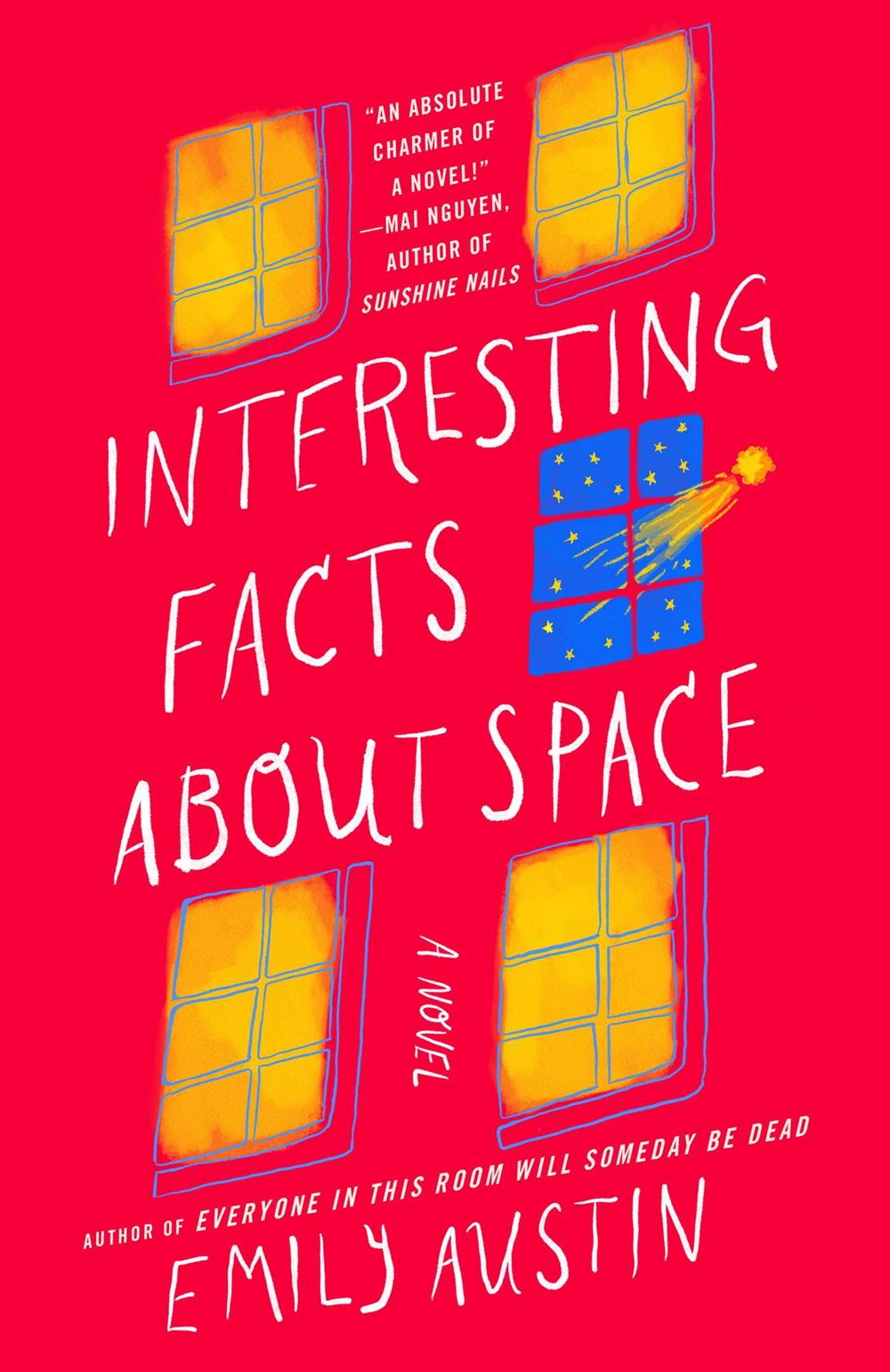
Books have been a cornerstone of culture and civilization for millennia, embodying ideas, stories, and knowledge. Their pages harbor more than mere words; they encapsulate the essence of human experience, imagination, and wisdom. Below are some interesting facts about books that may shift your perspective, ignite your curiosity, and deepen your appreciation for this extraordinary medium.
The Weight of Knowledge: Have you ever wondered about the physical heft of books? The heaviest book ever printed is the “Klencke Atlas,” measuring 1.75 meters tall and weighing 150 kilograms. This colossal world atlas was commissioned in 1660 and serves not only as a geographical reference but as an art piece that underscores the ambition of human knowledge and exploration.
Ink and Imagination: The science of ink is a fascinating intersection of chemistry and artistry. Traditional inks were created using a series of organic compounds and natural materials. For instance, the vivid hues of medieval manuscripts were derived from ground gemstones and plants, demonstrating the resourcefulness of our ancestors. These choices weren’t merely aesthetic; they were crucial in preserving the text’s visibility over centuries.
The Mystery of the Library: The Library of Alexandria, often considered the epitome of ancient knowledge, is shrouded in mystery. Estimated to have housed over 500,000 scrolls, it served as a repository for every known work of literature at the time. Although its fate has been debated, its legend acts as a solemn reminder of the fragility of knowledge and how easily it can be lost to the sands of time.
Mind and Memory: Engaging with books promotes cognitive development. Studies have shown that reading can enhance brain connectivity and improve memory. The act of reading a complex narrative compels the reader to use their imagination, thereby strengthening mental faculties. Furthermore, readers are often more empathetic, as they navigate diverse perspectives through characters and narratives.
Unusual Formats: Books come in a multitude of formats. One of the most unconventional forms is the ‘book sculpture,’ which involves intricately carved volumes resembling art. Artists such as Brian Dettmer utilize old encyclopedias and novels to craft stunning visual representations, transforming text into a tangible, sculptural form.
Books in Translation: The world of literature is enriched through translation. However, consider that translations can alter the interpretation of texts dramatically. The “Lost in Translation” phenomenon highlights how certain nuances and cultural references may fade away. For instance, the subtlety of humor in a Shakespearean sonnet might elude translators, leading to a profound loss of meaning in the journey from one language to another.
A Page a Day: The “Guinness World Record” for the most books read in a year was set by a voracious reader who turned the pages of a staggering 122 titles in 2020. While the feat is impressive, it raises intriguing questions about the quality of reading versus quantity. Is it possible to truly absorb a narrative when racing through the pages? This invites introspection into our reading habits and encourages a balance between breadth and depth.
Books as Community: Historically, libraries have functioned not just as repositories of books, but as communal hubs. The establishment of public libraries marks a transformative moment in society, democratizing access to knowledge. In fact, the Boston Public Library was the first American public library established in the 19th century, paving the way for library systems worldwide that promote literacy and learning among diverse populations.
Banned Books: Throughout history, books have been banned for political, ethical, or social reasons. This censorship often incites more intrigue and curiosity about the content. Titles like “1984” by George Orwell and “To Kill a Mockingbird” by Harper Lee are often at the forefront of such discussions, prompting society to reflect on themes of freedom, justice, and truth within literary contexts. The act of banning a book only serves to highlight its relevance and importance, igniting public discourse.
Unique Libraries: The world is home to several unusual libraries. The “Bamboo Library” in Colombia, for example, is constructed entirely from natural materials, blending harmoniously with its surroundings. This library exemplifies architecture that mirrors sustainability, inspiring a conversation about the role of physical spaces in promoting literature and environmental consciousness.
Digital Revolution: The advent of e-books has transformed how we consume literature. It has made books more accessible to a global audience, allowing readers to carry libraries in their pockets. However, this shift has also sparked discourse about the tactile experience of flipping through pages, which many argue is an irreplaceable aspect of reading. The contrast between the analog and digital reading experiences continues to foster discussion among bibliophiles.
Collectible Curiosities: First editions of popular novels often fetch astronomical prices at auctions. For example, a first edition of “Harry Potter and the Philosopher’s Stone” sold for over $90,000. This phenomenon illustrates a burgeoning culture around literary memorabilia, inviting collectors to appreciate not just the text, but also the historical and monetary value of the artifact itself.
Emotional Engagement: Scientific research indicates that reading fiction can foster emotional intelligence. Engaging with characters in various emotional contexts encourages readers to develop empathy, improving their ability to understand and relate to others in real life. This underscores literature’s intrinsic power to shape our perceptions and interactions.
The Eternal Relevance of Books: Despite the rise of technology, books remain ubiquitous in both physical and digital forms. They are a reflection of our history, aspirations, and creativity. Whether through tales of adventure, poems of love, or the complexities of human existence, books persist as a vital medium, demonstrating that storytelling is an irrefutable aspect of the human condition.
In conclusion, books offer a profound glimpse into the human experience. They challenge our assumptions, cultivate empathy, and enrich our understanding of the world. As you’ve explored these interesting facts, consider how the simple act of reading can transform perspectives, create connections, and inspire minds.