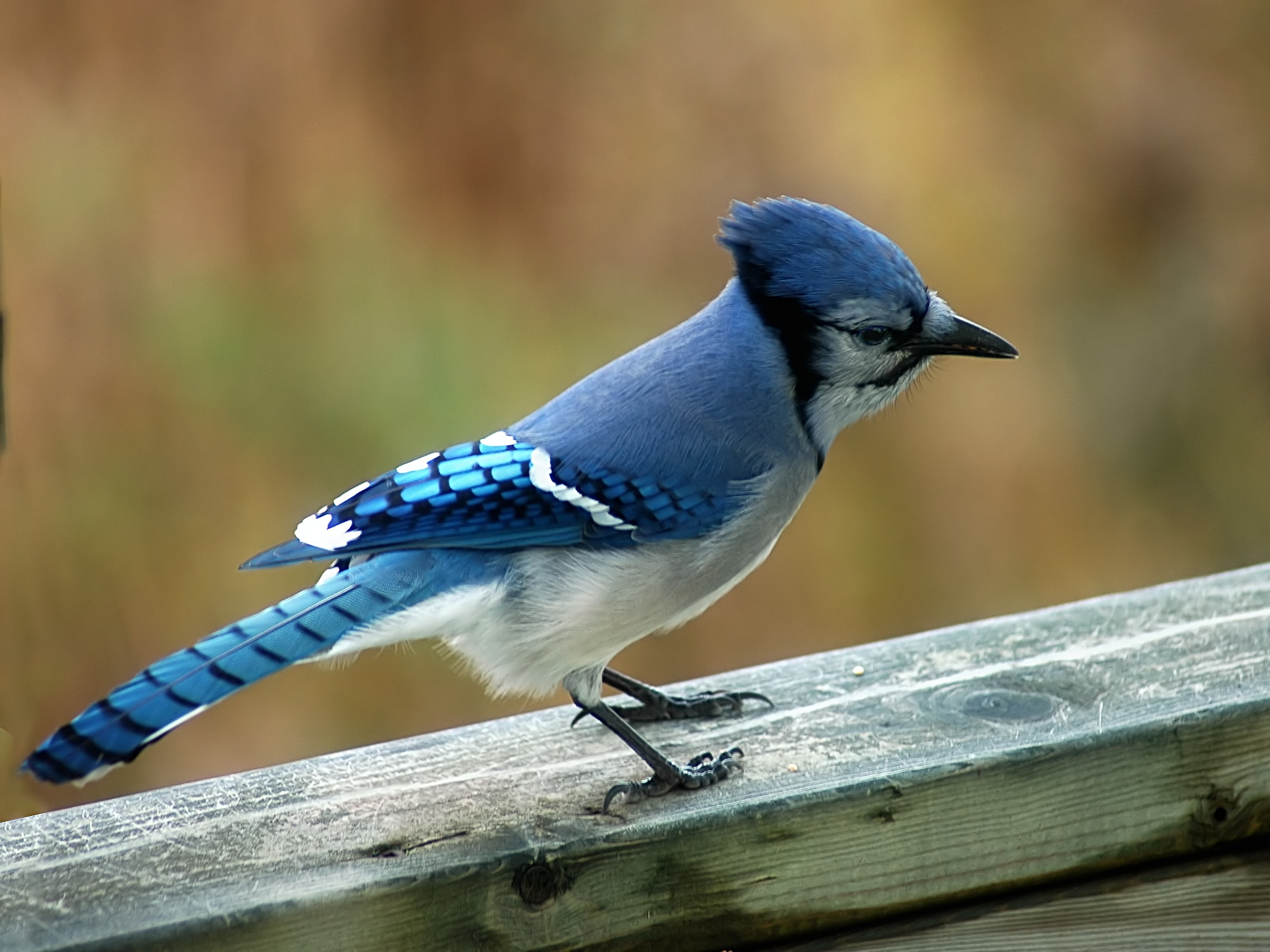
Blue jays, known scientifically as Cyanocitta cristata, are captivating avian creatures indigenous to North America. With their striking plumage, intelligence, and vocal prowess, they have earned a reputation that extends beyond mere aesthetics. This article delves into a myriad of intriguing facets surrounding blue jays, encompassing their behavior, habitat, diet, and much more.
Physical Characteristics
One of the most striking aspects of blue jays is their vivid coloration. Their plumage is predominantly a rich blue, contrasted by white and black markings, which creates a striking appearance that is easily recognizable. The sharp, black ‘necklace’ adds to their elegance, while their tail feathers display a notch—a distinctive feature among some jays. Adult blue jays measure approximately 9 to 12 inches long, with wings that stretch about 13 to 17 inches. Their physical build is sturdy and robust, enabling them to navigate various environments with agility.
Intelligence and Social Behavior
Blue jays are renowned for their remarkable intelligence, ranking them among the smartest birds in the avian world. They possess a high level of problem-solving abilities and can easily adapt to changing environments. Observers have noted that blue jays can recognize human faces, distinguishing between those who pose a threat and those who do not. This cognitive prowess extends to their social interactions. They often engage in complex vocal communications and can even mimic the calls of other birds, including predators like hawks, to deceive or warn fellow jays.
Vocalizations: The Symphony of Sounds
Blue jays are not only visually stunning but also vocally dynamic. Their repertoire of sounds consists of a variety of whistles, screams, and caws, which serve different purposes. From territorial calls to alarm signals, each sound plays a role in their social structure and environmental interactions. Their loud, enthusiastic calls are often heard echoing through woodlands and suburban areas alike, serving as both a means of communication and a signifier of their presence in the area.
Diet: Omnivorous Preferences
The diet of blue jays is as varied as their vocalizations. Primarily omnivorous, they delight in an array of foods including nuts, seeds, insects, fruits, and even small vertebrates. A notable preference for acorns plays a significant role in their feeding habits. Blue jays have an exceptional capacity for caching, allowing them to store acorns for later consumption. This behavior not only sustains them through harsher seasons but also contributes to forest regeneration, as forgotten acorns may sprout into new trees.
Habitat Preferences
Blue jays are adaptable and can thrive in a variety of habitats ranging from mixed woodlands to suburban landscapes. They are often found in deciduous forests, where oaks are abundant, as well as in parks and gardens, thanks to their tolerance for human presence. This adaptability extends their range; they can be seen from southeastern Canada to northern Florida, making them a common sight across the eastern United States.
Breeding and Nesting Behaviors
During the breeding season, which typically spans from late spring to early summer, blue jays exhibit fascinating nesting behaviors. They often build their nests high in the trees, utilizing twigs, grass, and other materials to create a secure shelter for their eggs. The female blue jay typically lays three to seven eggs, which are a pale blue or green with brown speckles. Both parents collaborate in incubating the eggs and caring for the nestlings, showcasing a strong partnership in nurturing their young.
Conservation Status
Currently, blue jays are classified as a species of least concern according to conservation status assessments. However, habitat loss due to urban development and environmental changes necessitates ongoing monitoring. Initiatives to preserve natural habitats contribute significantly to the stability of blue jay populations. Backyard birdwatchers can also play a role by providing feeders and native plants, promoting biodiversity and offering sustenance in their local ecosystems.
Role in Ecosystems
Blue jays are intricate components of their ecosystems, serving several ecological functions. As seed dispersers, their habit of caching nuts and seeds aids in plant propagation and forest regeneration. Additionally, they participate in controlling insect populations, as insects comprise a notable portion of their diet. Their presence often signifies a healthy environment, contributing to the overall balance within their natural habitat.
Cultural Significance and Folklore
Blue jays have long captivated the imagination of various cultures and feature prominently in folklore. In Native American traditions, they are often seen as wise and watchful protectors. Their vibrant colors and spirited nature have made them a symbol of intelligence and resourcefulness. Annually, many communities celebrate these beautiful birds through festivals and educational programs, fostering awareness and appreciation for avian life.
Conclusion
Blue jays are more than just pretty birds; they are intelligent, adaptable, and ecologically significant creatures that bring vibrancy to their environments. From their striking appearance and vocalizations to their social behaviors and roles in ecosystem dynamics, blue jays continue to fascinate ornithologists and bird enthusiasts alike. By understanding and appreciating these remarkable birds, we can contribute to their conservation and ensure that future generations will continue to enjoy their beauty and complexity.