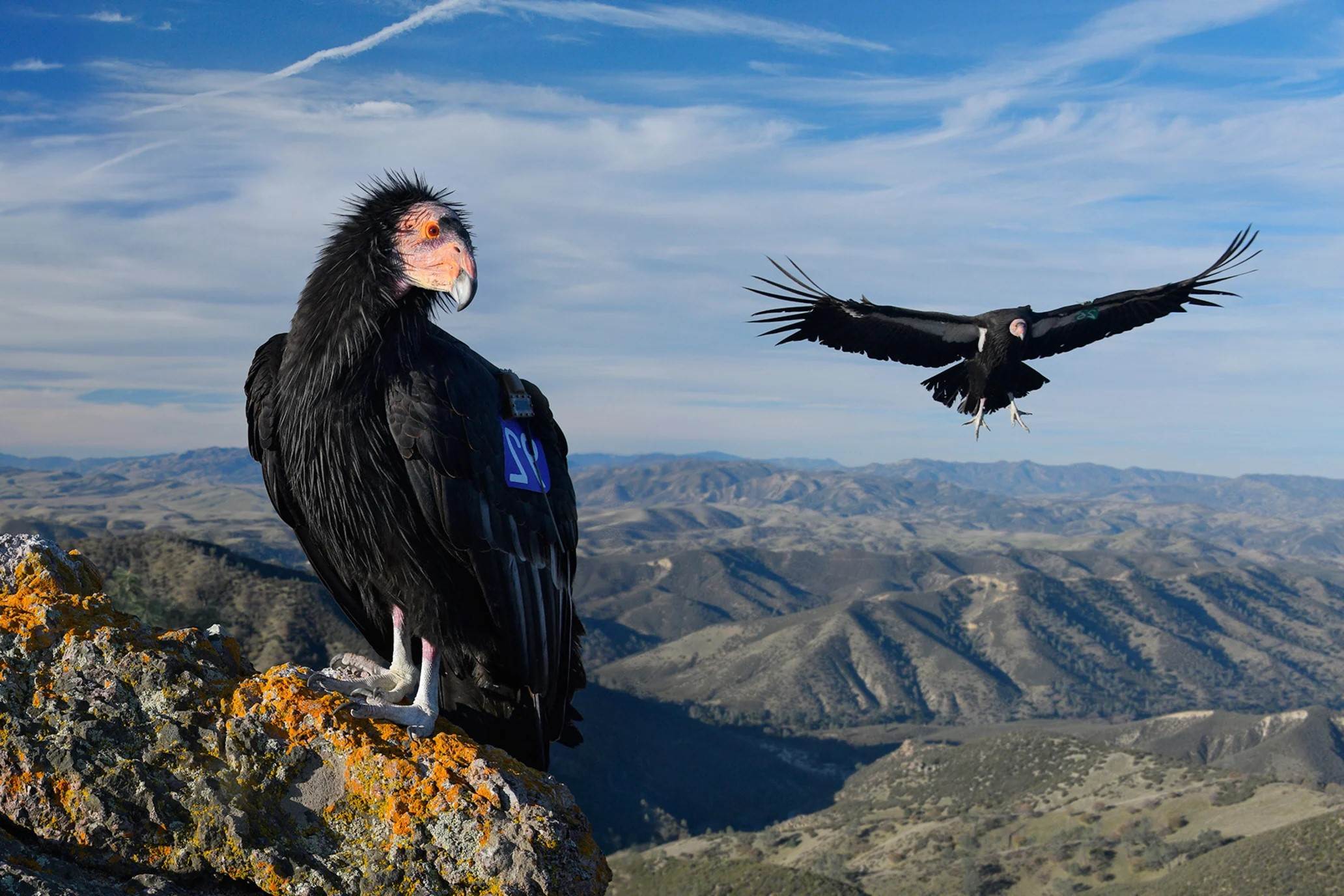
Veterinarians, often referred to as the unsung heroes in the realm of animal healthcare, possess an awe-inspiring repertoire of skills and knowledge. They are not merely doctors for our four-legged companions; they are dedicated guardians of animal welfare, advocates for biodiversity, and critical players in public health. Below is a curated list of fascinating insights into the lives and workings of these remarkable professionals, illuminating the myriad reasons why veterinarians command our admiration.
1. Extensive Education and Training
It may surprise many to learn that the journey to becoming a veterinarian is paved with rigorous academic demands. Most prospective veterinarians must complete a bachelor’s degree, followed by four years in veterinary college, culminating in a Doctor of Veterinary Medicine (DVM) degree. This educational pathway often encompasses over 7,000 hours of combined classroom, laboratory, and clinical work. It’s a significant investment of time and effort, highlighting the commitment required to master the complex physiological nuances of a plethora of species.
2. Specialization Options
Just as medical doctors can specialize, so too can veterinarians. With the rise of veterinary specialties, these professionals can pursue advanced training in fields such as surgery, dermatology, internal medicine, and emergency care. There are nearly 50 recognized specialties by the American Veterinary Medical Association (AVMA). Such specialization not only expands their clinical capabilities but also enriches the overall knowledge base of veterinary medicine.
3. Animals of All Kinds
While many people envision veterinarians primarily tending to household pets like cats and dogs, the scope of veterinary practice is far broader. Some veterinarians are adept at treating exotic animals ranging from reptiles to birds, while others work with livestock, providing essential services to cattle, sheep, and pigs. This breadth of expertise ensures that the well-being of diverse animal populations is upheld, bridging the gap between domestic and wildlife veterinary medicine.
4. The Emotional Toll
Being a veterinarian is not just about diagnosing ailments and prescribing treatments. The emotional demands of the profession can be profound. Veterinarians routinely confront heart-wrenching situations, such as euthanasia or severe illness. Nonetheless, these professionals often develop coping strategies to navigate the emotional landscape of their work. This resilience, coupled with their compassion, illustrates their profound commitment to their patients’ well-being.
5. Advocates for Public Health
Veterinarians play a vital role in safeguarding public health through the prevention and control of zoonotic diseases—illnesses that can be transmitted from animals to humans. They are essential in monitoring disease outbreaks, ensuring food safety, and educating the public on responsible pet ownership and zoonotic risks. The veterinary profession is intricately intertwined with global health initiatives, revealing the multifaceted responsibilities they bear.
6. Embracing Technology
The integration of technology in veterinary medicine is transforming how care is delivered. From advanced imaging technologies like ultrasound and MRI to telemedicine platforms that facilitate remote consultations, veterinarians are at the forefront of innovation. This technological evolution not only enhances diagnostic accuracy but also improves treatment outcomes for animals.
7. The Importance of Preventative Care
Veterinarians are ardent proponents of preventative care, advocating for routine check-ups, vaccinations, and health screenings. This proactive approach is crucial in detecting potential health issues early and mitigating serious complications. Their emphasis on wellness not only benefits individual animals but also serves to educate pet owners about the importance of comprehensive healthcare.
8. Ethical Dilemmas and Decision-Making
Veterinarians often confront a range of ethical dilemmas in their practice. The decisions they must make—such as prioritizing an animal’s welfare over financial considerations—can weigh heavily on their conscience. Ethical frameworks guide their practice, emphasizing the duty to protect animal welfare, even when the path is fraught with challenges. This moral compass underscores the depth and complexity of their role.
9. Community Involvement
Many veterinarians extend their influence beyond clinical practice through community outreach programs and advocacy efforts. They often participate in local schools, educating children about animal care and welfare. Many also join hands with animal shelters and rescue organizations to provide services for abandoned or stray animals, reinforcing their commitment to the humane treatment of all creatures.
10. Lifelong Learning
Veterinarians are committed to lifelong education and self-improvement. The field of veterinary medicine is perpetually evolving, with new research, medications, and treatment protocols emerging regularly. Many veterinarians enrich their knowledge by attending conferences, pursuing continuing education courses, or engaging in professional associations. This pursuit of knowledge ensures they remain at the cutting edge of veterinary practice and can deliver the best care possible.
11. The Positive Impact on Human-Animal Bond
Veterinarians significantly contribute to the strengthening of the human-animal bond by promoting responsible pet ownership and animal welfare. Their work helps ensure that pets live healthy, fulfilling lives, thereby enriching the emotional connections between humans and their animal companions. This bond is not just beneficial for the animals; numerous studies show that pet ownership can improve human mental health and well-being.
In conclusion, veterinarians are much more than doctors for animals. Their extensive training, emotional resilience, dedication to public health, and commitment to ongoing learning make them integral to both animal welfare and broader community health. The next time you glimpse a veterinarian at work, remember the myriad ways in which they steadfastly serve as true heroes behind the stethoscope.