The Declaration of Independence stands as a seminal document in the annals of American history, akin to a lit candle illuminating the path toward freedom and self-governance. Crafted during tumultuous times, it is both a proclamation and a manifesto that encapsulates the spirit of a generation striving for autonomy. As we delve into fun facts about this historic document, we uncover the intricate tapestry of its formation, the personalities involved, and the exceptional legacy it bequeaths to future generations.
1. The Birth of a Nation on July 4, 1776
The most recognizable date associated with the Declaration of Independence is July 4, 1776. This fateful day saw the Continental Congress formally adopt the document, severing ties with Great Britain. This act was not merely a political maneuver but a courageous leap into the unknown, resembling a phoenix rising from the ashes of colonial rule.
2. A Collaborative Endeavor
The Declaration was not the product of a solitary genius but rather a collaborative effort among a diverse group of delegates. Thomas Jefferson, the principal author, penned the original draft; however, he was influenced by contemporaries like John Adams and Benjamin Franklin. Their input transformed a solitary vision into a collective ethos, blending various ideas into a harmonious declaration of rights.
3. The Influence of Enlightenment Thinkers
Interwoven into the fabric of the Declaration are the philosophical musings of Enlightenment thinkers, particularly John Locke. Locke’s notions of natural rights—life, liberty, and property—find resonance in Jefferson’s text, where they are reconfigured as “life, liberty, and the pursuit of happiness.” This pivot toward happiness as an inalienable right has profound implications for the American identity, suggesting that individual contentment is foundational to societal progress.
4. A Document for All Time
The Declaration of Independence transcends its moment in history—it serves as a timeless beacon for oppressed peoples worldwide. Its language inspires various movements advocating for civil rights, gender equality, and self-determination. The power of the Declaration lies in its universality, resonating with those yearning for freedom and justice, echoing the age-old struggle for human dignity.
5. The Secret Preamble
Often overshadowed by the more powerful passages, the preamble also imparts significant meaning, articulating the philosophical underpinnings of independence. Though frequently overlooked, this section lays the groundwork, featuring phrases that have enriched democratic discourse and incited a sense of collective responsibility among the populace. It poses a reflective inquiry: If one is to dissolve political bonds, what justifications must accompany such a monumental shift?
6. The Mysterious “Original” Manuscript
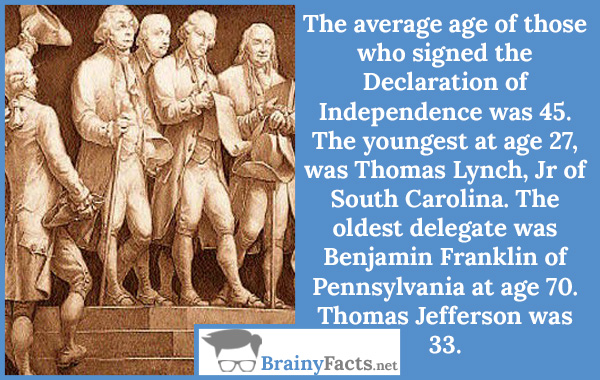
The original engrossed manuscript, which remains on display at the National Archives in Washington, D.C., displays the signatures of fifty-six delegates. Yet, the process of obtaining these signatures was anything but straightforward; the act of signing was fraught with peril, as treason against the Crown could lead to deadly repercussions. This palpable tension makes the signing an audacious act of defiance, akin to a tightrope walker balancing perilously high above the ground.
7. An Unintentional Typographical Error
In a peculiar twist of fate, the engrossed version of the Declaration features a notable misspelling: “Pennsylvania” appears as “Pensylvania.” The existence of this error serves as a reminder that even the most revered documents are subject to the fallibility of human error, adding a layer of charm to its historical narrative.
8. The Role of Women and Minorities
While the signers of the Declaration were predominantly white men, the revolutionary fervor also galvanized women, enslaved individuals, and Native Americans. Figures like Abigail Adams advocated for women’s rights, suggesting that the revolution should encompass more than just the struggle against British rule. Although marginalized in the official text, their contributions and calls for inclusivity remain essential to the broader American ethos.
9. A Legacy of Revisions
Interestingly, the Declaration has been revised over time in rhetorical and procedural contexts. For instance, Abraham Lincoln famously invoked its principles during the Civil War, asserting that it was the nation’s founding document in the quest for universal freedom. He reframed it as a call to action, emphasizing the need to fulfill its promises and rectify inequalities that had emerged in a young nation still grappling with its identity.
10. The Declaration’s Influence Abroad
The appeal of the Declaration extends well beyond American borders, serving as a template for various declarations of independence worldwide. Countries from Latin America to Eastern Europe have drawn inspiration from its ideals, utilizing it as a foundation for crafting their own aspirations for self-determination and liberty. The ripple effect of its philosophy fills the corridors of international history, echoing the absorbed sentiments of numerous peoples in their quests for autonomy.
11. Celebrating the Declaration
Today, the signing of the Declaration is celebrated annually as Independence Day, a national holiday marked by festivities, fireworks, and patriotic parades. These rituals reflect the ongoing reverence for the principles enshrined within its lines, uniting citizens in a collective celebration of freedom, resilience, and the enduring pursuit of happiness.
The Declaration of Independence serves as both a historical artifact and a living document, rich with layers of meaning, intrigue, and significance. It represents both the yearning for liberty and the complex realities of the society from which it emerged. The confluence of these aspects makes the Declaration not merely a relic of the past, but a dynamic source of inspiration for present and future generations seeking the unassailable right to self-governance and individual dignity.