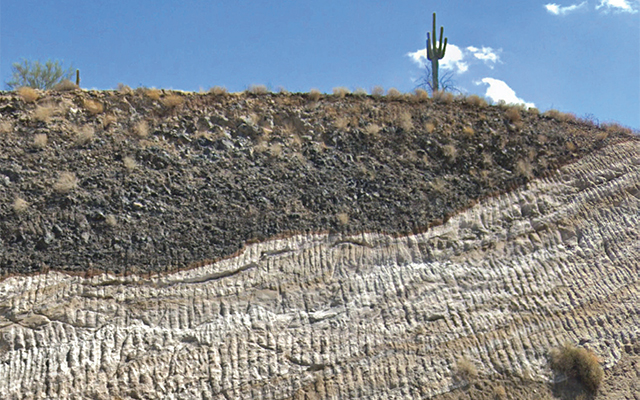
Rocks are more than just stubborn pieces of the Earth; they are remarkable storytellers that chronicle the history of our planet. Each stone is a chapter in the colossal narrative of geological change, environmental shifts, and the tale of life itself. Here are some intriguing facts that will alter your perception of these ancient entities.
1. The Age of Rocks
Rocks are some of the oldest materials on Earth, with certain formations dating back billions of years. For instance, the Acasta Gneiss in Canada is approximately 4.03 billion years old, making it one of the oldest known rock formations. Such age offers insight into the conditions on early Earth and hints at the processes that formed our planet.
2. Rock Types and Their Unique Stories
Rocks can be classified into three primary types: igneous, sedimentary, and metamorphic. Each type has its unique story to tell. Igneous rocks, formed from cooled magma or lava, reveal the molten beginnings of geological processes. Sedimentary rocks, created from sediment deposits, chronicle past environments, indicating where ancient lakes and oceans once flowed. Metamorphic rocks, transformed by heat and pressure, tell tales of dramatic geological upheavals.
3. Fossils: Windows into the Past
Fossils, often found in sedimentary rocks, are vital records of prehistoric life. Through fossilization, organisms became preserved in layers of sediment, allowing us to glimpse ancient ecosystems. These remnants provide crucial information regarding evolution, climate change, and biodiversity that has shaped life on Earth over millions of years.
4. The Rock Cycle: Earth’s Ever-Changing Narrative
The rock cycle is a continuous process that illustrates how rocks transform from one type to another over geological time. This cycle reflects Earth’s dynamic nature. For instance, an igneous rock may erode and become sediment, which, over time, can compact into sedimentary rock. With enough heat and pressure, sedimentary rock can metamorphose, proving that the story of rocks is an ongoing saga.
5. Metaphor and Culture: The Symbolism of Rocks
Globally, rocks and stones have held profound cultural significance. From the majestic Stonehenge to sacred Native American sites, rocks have been woven into the fabric of human history and spirituality. They are often seen as symbols of endurance, strength, and permanence, standing as monoliths against the passage of time.
6. Precious and Semi-Precious Stones: Nature’s Treasures
Rocks are not just simple minerals; some transform into beautiful gemstones through natural processes. Precious and semi-precious stones like diamonds, emeralds, and sapphires are esteemed for their rarity and aesthetic appeal. These stones tell stories of deep Earth processes, where extreme conditions created stunning natural art.
7. The Impact of Erosion
Erosion shapes the landscape and narrates the tale of weathering over time. Water, wind, and ice continuously chip away at rocks, causing them to break down into smaller pieces. This gradual process signifies change and impermanence, teaching us about vulnerability in nature—the persistent ebb and flow of our planet’s surface.
8. Plate Tectonics: Earth’s Grand Movement
The movement of tectonic plates creates and disrupts rock formations, leading to earthquakes, volcanoes, and mountain-building phenomena. This tectonic activity is a dramatic chapter in the Earth’s story; for instance, the Himalayas are still rising due to the collision of the Indian and Eurasian plates. Such dynamic processes not only create new landscapes but also remind us how active our planet remains.
9. Volcanic Rocks: Fire’s Legacy
Volcanic rocks, like basalt and pumice, are direct testimony to the Earth’s fiery inner workings. When magma erupts and cools, it becomes a new rock type that has unique characteristics. These rocks play a critical role in enriching soils and providing resources for plant life, highlighting their importance in sustaining ecosystems.
10. Educational Significance: Rocks in the Classroom
Rocks serve as vital educational tools in understanding Earth sciences. They offer tactile means for students to connect with geology, providing insight into the complexities of Earth systems. Hands-on experiences with rocks can foster curiosity and appreciation for the natural world, inspiring future generations of geologists and environmentalists.
11. The Role of Rocks in Human Society
Humans have utilized rocks throughout history, from the Stone Age to modern construction. Materials like granite, limestone, and sandstone have served as building blocks for infrastructure, civilization, and even art. The stories embedded within these rocks are intertwined with humanity’s development and creativity.
12. Rocks in Space: The Cosmic Connection
Space rocks, such as asteroids and meteorites, offer a glimpse into the formation of the solar system. Analyzing these extraterrestrial rocks provides insight into Earth’s geological history and origins. Their study not only informs us about the past but also helps in understanding potential future impact events and planetary defense measures.
Conclusion
Rocks, the Earth’s oldest storytellers, encapsulate an expansive history that transcends time and space. Each rock formation is an archive, weaving together narratives of Earth’s evolution, climate shifts, and the rich tapestry of life that has graced our planet. As you encounter rocks in nature, remember that they are not mere stones; they are eloquent witnesses to the enduring saga of Earth itself.