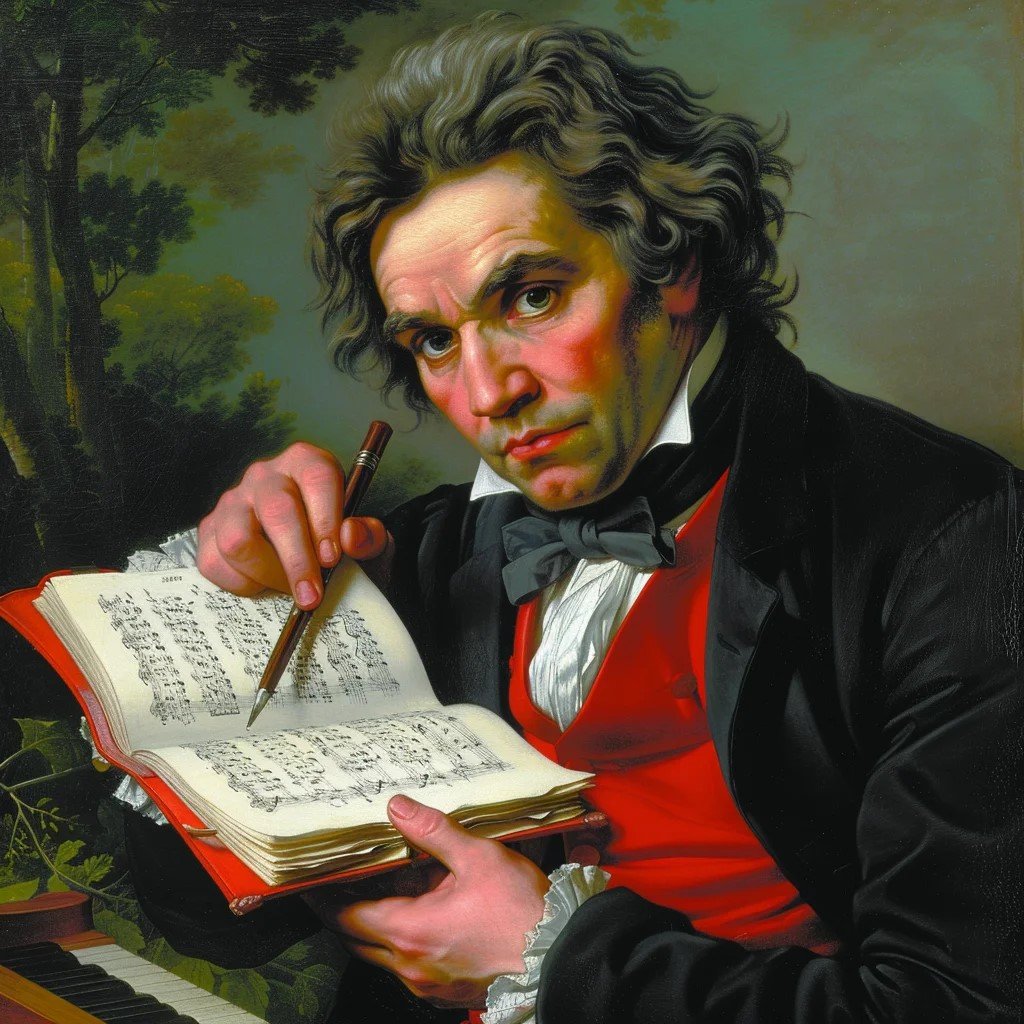
When discussing the titans of classical music, few figures stand as tall as Ludwig van Beethoven. His works transcended generations, and his life story is one of genius, grit, and remarkable resilience. Exploring the myriad layers of his existence reveals fascinating insights and unexpected anecdotes that shift our perspective on this musical paragon. Let’s delve into some fun facts about Beethoven that illuminate the complexities of his character as well as the extraordinary legacy he left behind.
1. A Prodigy with Precocious Talent
Beethoven displayed prodigious musical talent from an early age. Born in Bonn, Germany, in 1770, his father, a tenor in the Electoral Court, recognized his son’s potential and subjected him to rigorous musical training. By the tender age of seven, he had already publically performed. This early initiation set the stage for a lifetime devoted to music, but it also imposed immense pressure on the young virtuoso.
2. The Early Influences
Beethoven’s formative years were enriched by an array of influences. Mentored by Christian Gottlob Neefe, who introduced him to the works of Bach and Mozart, the young composer honed his craft. He spent time in Vienna, where he absorbed the stylistic nuances of the classical era while forging his own path toward the Romantic style. The confluence of these influences would redefine musical composition and performance.
3. Defiance Against Adversity
As he matured, Beethoven grappled with a formidable adversary: progressive hearing loss. By his late twenties, he began to experience significant deafness, which would ultimately culminate in total loss of hearing. Instead of capitulating to despair, he transformed this adversity into a catalyst for greater creativity. Beethoven’s resilience in the face of such overwhelming challenges adds a profound layer to his story, showcasing the tenacity of the human spirit.
4. The Heroic Period
In the midst of personal turmoil, Beethoven entered what is known as his “Heroic Period.” Compositions during this time, including the Third Symphony, “Eroica,” exemplify grandiosity and emotional depth. Originally dedicated to Napoleon Bonaparte, the work reflects the ideals of heroism and struggle—an interpretation that resonates with Beethoven’s own life experiences. His music during this era is often described as revolutionary, breaking free from traditional forms while establishing new paradigms for future composers.
5. The Immortal Beloved
One of the most enduring mysteries surrounding Beethoven is the identity of his “Immortal Beloved.” In a series of passionate letters penned in 1812, he professed profound love for an unnamed woman, igniting speculation regarding her identity. Various candidates have emerged over time, including colleagues and patrons, yet none have been definitively confirmed. This enigmatic aspect of his life adds a tantalizing layer of intrigue, placing Beethoven’s emotional landscape under a magnifying glass.
6. A Revolutionary Innovator
Beethoven was not just a composer; he was an innovator who pushed the boundaries of musical form and structure. For instance, his Ninth Symphony introduced choral elements to the symphonic genre, an unprecedented departure that paved the way for contemporary symphonic works. Similarly, his late string quartets defied traditional conventions, showcasing a profound exploration of complex themes and textures. Through these innovations, Beethoven reshaped the course of Western classical music.
7. The Art of Solitude
Embracing solitude, Beethoven often retreated to a small cottage on the outskirts of Vienna to escape the city’s hustle and bustle. This setting allowed him to transcend his deafness and think deeply about his musical ideas. His isolation, while seemingly a hindrance, fueled an extraordinary creative output. It is in such moments of solitude that many of his masterpieces, including the poignant “Moonlight Sonata,” came to life, proving that isolation can also cultivate genius.
8. A Friend to the Common Man
Despite his elevated social position within the artistic circles of Vienna, Beethoven remained a man of the people. He was deeply moved by the struggles of the common man, often reflecting these sentiments in his music. This connection is poignantly illustrated in his Symphony No. 9, whose choral finale celebrates universal brotherhood. Beethoven’s empathy for human plight bridges the gap between the artist and the audience, affirming music’s power to unite.
9. A Complex Personality
Beethoven’s personality was as complex and nuanced as his compositions. He was known for his fiery temper and often had tumultuous relationships with friends and family. His notorious brusqueness stemmed from his relentless pursuit of perfection, a trait that sometimes alienated those around him. Nonetheless, his passionate temperament drove him to create some of the most beloved music in history, eliciting both admiration and criticism in equal measure.
10. The Final Triumph
Even in his final years, as his health deteriorated and deafness consumed him, Beethoven remained undaunted. His later works, including the profoundly moving late string quartets and the monumental Ninth Symphony, embody his lifelong quest for transcendence and expression. These late compositions are imbued with a depth of emotion and complexity, showcasing an artist who, despite overwhelming obstacles, continued to reach for the sublime.
Conclusion
Ludwig van Beethoven’s life was not merely an exploration of musical genius but a testament to the resilience of the human spirit. His experiences, marked by struggle and triumph, reflect universal themes of adversity and courage. As we explore the fun facts surrounding his legacy, we are invited to re-evaluate our understanding of genius and the profound impact one individual can have on the world. Beethoven’s story remains a beacon of inspiration, illuminating the boundless capabilities of an artist’s heart and mind.