If you think you know everything there is to know about Mexico, prepare to be surprised. The vibrant nation is steeped in history, culture, and intrigue. However, how well do you really know it? Here are five fascinating facts about Mexico that may challenge your perceptions and encourage you to explore further.
1. Mexico City Rests on Ancient Ruins
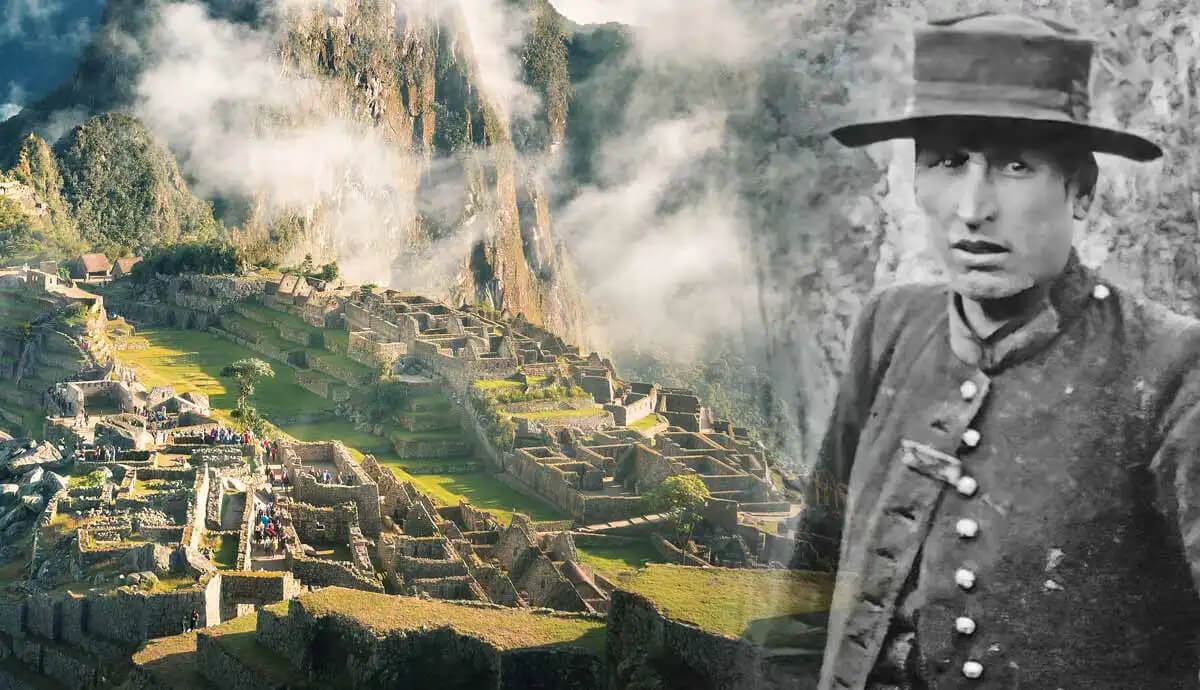
Did you know that Mexico City, one of the largest cities in the world, was built upon the ruins of Tenochtitlan, an ancient Aztec capital? This remarkable city was founded in the 14th century and was celebrated for its engineering marvels, including canals, temples, and marketplaces. The site is nowadays marked by the Zocalo, the central square, which hosts the historic Metropolitan Cathedral and the National Palace.
What remains of Tenochtitlan? Excavations have revealed impressive remnants of the Aztec civilization, including the Templo Mayor, which was a grand temple dedicated to the gods Huitzilopochtli and Tlaloc. Visitors can explore this archaeological site, providing a palpable connection to the past amid the bustling metropolis. Can you imagine exploring a city that seamlessly blends modern development with the echoes of a lost civilization?
2. Home to the World’s Smallest Volcano
While many think of colossal mountains when it comes to volcanoes, Mexico is home to the world’s smallest active volcano, known as Cuexcomate. Standing at a mere 13 meters (43 feet) high and located in Puebla, it may be diminutive in size, yet it holds tremendous geological significance. Formed approximately 800 years ago, this tectonic wonder allows visitors to climb its slope and gaze into the crater:
The name “Cuexcomate” translates to “a pot of snails” in Nahuatl, representing both its physical structure and its localized culture. This volcano may not erupt with dramatic fervor like its larger counterparts, but it remains a captivating destination for those with an appreciation for natural wonders. How many people can boast that they’ve stood on top of the smallest volcano in the world? Challenge yourself to visit—and take a photograph.
3. The Birthplace of Chocolate
Considered one of the finest delicacies today, chocolate has its roots deeply planted in ancient Mexico. The Olmecs—widely regarded as the first major civilization in Mesoamerica—are believed to have been the first to cultivate cacao, around 1500 BCE. Later, the Mayans and Aztecs elevated chocolate consumption to new heights, using it in ceremonial beverages and as currency. Can you imagine sipping on a frothy drink made from cacao beans, sweetened with honey or seasoned with spices?
In contemporary culinary landscapes, Mexican chocolate remains unique, often characterized by its rich flavors and distinct texture. Traditional hot chocolate can be found throughout Mexico, typically made using a molinillo, a wooden whisk that incorporates air into the beverage for a delightful froth. As you sip on this historic drink, consider the millennia of culture and tradition that envelop each taste. Will you take up the challenge of finding the best chocolate in Mexico?
4. Mexico Hosts One of the Largest Biodiversity Hotspots
Surprisingly, Mexico is one of the most biodiverse countries on the planet, hosting an astounding variety of flora and fauna across its various ecosystems. It ranks in the top five in terms of global biodiversity, housing over 200,000 species of animals and approximately 23,000 species of plants. The diversity stems from its wide-ranging climates and terrains—from arid deserts to lush rainforests.
One of the most notable regions is the Monarch Butterfly Biosphere Reserve in Michoacán, where millions of butterflies migrate every year from the United States and Canada. This UNESCO World Heritage site presents not only natural phenomena but also a majestic display of color as the butterflies blanket the landscape. Can you witness this breathtaking migration and understand the importance of preserving such unique ecosystems? Planning your travel with sustainable practices could make your trip even more rewarding.
5. Tequila and Mezcal: The Distillers’ Playground
Tequila and mezcal hold an esteemed place in Mexican culture, but did you know that these beloved spirits come from two distinct processes? Tequila can only be produced in specific regions of the country, and it must be made from the blue agave plant. In contrast, mezcal can be made from a variety of agave species and can be produced in numerous states, leading to diverse flavors and styles.
The production process for mezcal is particularly intriguing. To create this smoky spirit, the agave hearts are roasted in underground pits, imparting a unique flavor profile that differs from tequila’s more straightforward taste. As you embark on a tasting tour of hidden local distilleries, what flavors and aromas will surprise your palate? Challenge yourself to learn the subtleties of each spirit and discover your true preference.
In summary, Mexico is an enigmatic destination brimming with uncoverings waiting to be explored. The vibrant culture, historical significance, and natural diversity add layers of intrigue that extend beyond the typical tourist experience. Will you accept the challenge of deepening your knowledge and understanding of Mexico beyond its popular tropes? There’s much more beneath the surface just waiting to be discovered.