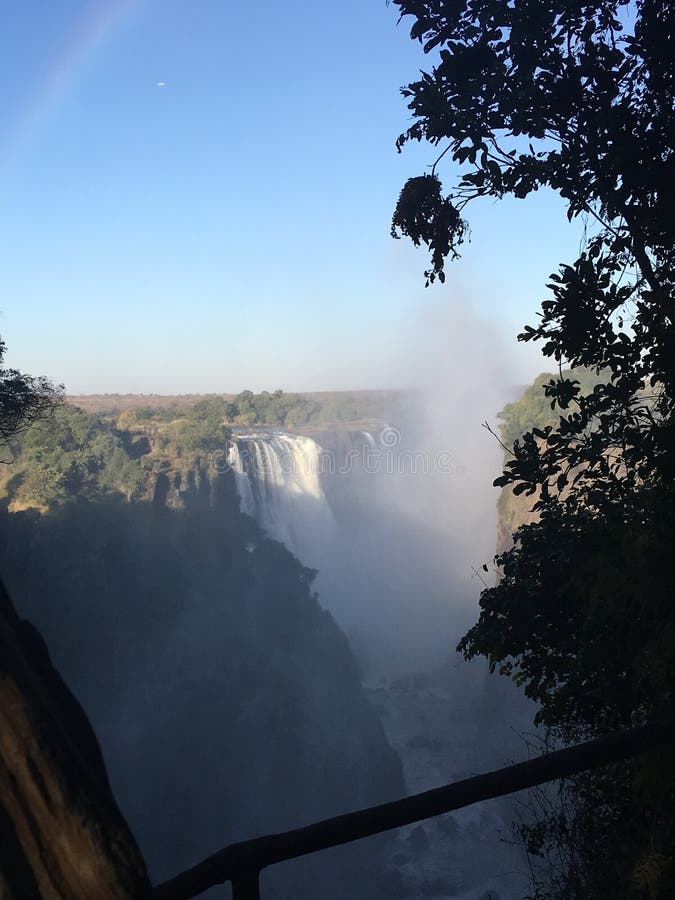
Victoria Falls, often referred to as “The Smoke That Thunders,” stands as one of the most spectacular natural wonders of the world. Straddling the border between Zambia and Zimbabwe, this majestic waterfall draws visitors with its stunning beauty and awe-inspiring power. However, beneath the surface lies a multitude of fascinating facts that reveal the allure of this geographical masterpiece. Here are ten captivating insights about Victoria Falls that illuminate its significance.
1. The Enormity of Scale
Victoria Falls is the largest curtain of water in the world. Spanning approximately 1,708 meters (5,604 feet) across and plunging 108 meters (354 feet) into the Zambezi River Gorge, its sheer size is overwhelming. The cascading waters produce a breathtaking spectacle as they crash into the depths below, creating a powerful mist that envelops the surrounding landscape.
2. A UNESCO World Heritage Site
Recognizing its global importance, UNESCO designated Victoria Falls as a World Heritage Site in 1989. The site is acknowledged not only for its stunning natural beauty but also for its rich biodiversity. It is home to an array of flora and fauna, some of which are endemic to the region, making it a crucial conservation area.
3. Origin of the Name
While commonly known as Victoria Falls, the local name is Mosi-oa-Tunya, which translates to “The Smoke That Thunders.” This moniker aptly describes the thundering roar of the cascading water and the rising mist that can be seen from miles away. David Livingstone, the Scottish missionary and explorer, named the falls in honor of Queen Victoria during his expedition in 1855.
4. A Divergence of Nationalities
Victoria Falls is uniquely positioned on the border between Zambia and Zimbabwe, offering travelers distinct perspectives of the falls. The view from the Zimbabwean side, known for its expansive panoramas, contrasts with the more nature-oriented experiences available on the Zambian side. This duality adds an intriguing layer, as visitors can appreciate the falls from multiple vantage points.
5. A Year-Round Spectacle
Many assume that the best time to visit Victoria Falls is during the rainy season. While it is true that the falls are most powerful from February to May, each season offers a unique experience. During the dry months, from September to December, the falls reveal a different charm, allowing visitors to explore the rock face and view the geological marvels more closely as lower water levels expose hidden crevices.
6. The Seasonal Variations
The Zambezi River, which feeds Victoria Falls, undergoes dramatic seasonal fluctuations. These variations can affect the volume of water cascading over the falls, creating an ever-changing tableau. During the peak rainfall months, volumes can reach over 1,088 cubic meters per second, while in the dry season, the flow reduces significantly, revealing astounding rock formations and hidden marvels.
7. Adventure Awaits
Beyond its natural beauty, Victoria Falls is a hub of adventure tourism. Activities such as white-water rafting on the Zambezi River, bungee jumping from the Victoria Falls Bridge, and scenic helicopter tours provide adrenaline enthusiasts with unparalleled experiences. The eclectic mix of adventure and serenity makes the area a compelling destination for thrill-seekers and nature lovers alike.
8. A Rich Cultural Tapestry
The region surrounding Victoria Falls boasts a rich cultural tapestry. Indigenous tribes, including the Lozi people, possess deep-rooted traditions and stories related to the falls. Their folklore often highlights the spiritual significance of the water, emphasizing its role as a source of life and a connection to the ancestors. Engaging with the local culture enhances the visit and situates the natural wonder within a broader narrative.
9. The Diverse Ecosystem
Victoria Falls is nestled within the Zambezi National Park and is part of a larger ecosystem brimming with wildlife. The area hosts diverse species, including elephants, buffalo, and a variety of bird species. This abundance of wildlife serves as a testament to the interconnection between the fall’s natural beauty and the surrounding environment, making it a critical area for biodiversity conservation.
10. Geological Significance
From a geological perspective, Victoria Falls is an impressive study of erosion and geological processes. Formed approximately 150 million years ago, the falls have continually shaped the landscape through erosion. The Zambezi River has carved intricate gorges and created various landforms, highlighting the dynamic nature of earth’s processes. Scientists often study the falls to glean insights into past climates and geographical changes in the region.
In conclusion, Victoria Falls is much more than a spectacular waterfall; it holds a rich narrative filled with natural wonder, cultural significance, and adventure. Its nickname, “The Smoke That Thunders,” captures not only the visual majesty but also the deeper stories woven into its existence. As visitors stand before its vastness, they are reminded of nature’s power and beauty, leaving an indelible mark on their hearts and minds. Whether you are captivated by its scale, intrigued by its stories, or drawn in by the surrounding adventure, Victoria Falls remains a symbol of magnificence that continues to beckon explorers and dreamers alike.