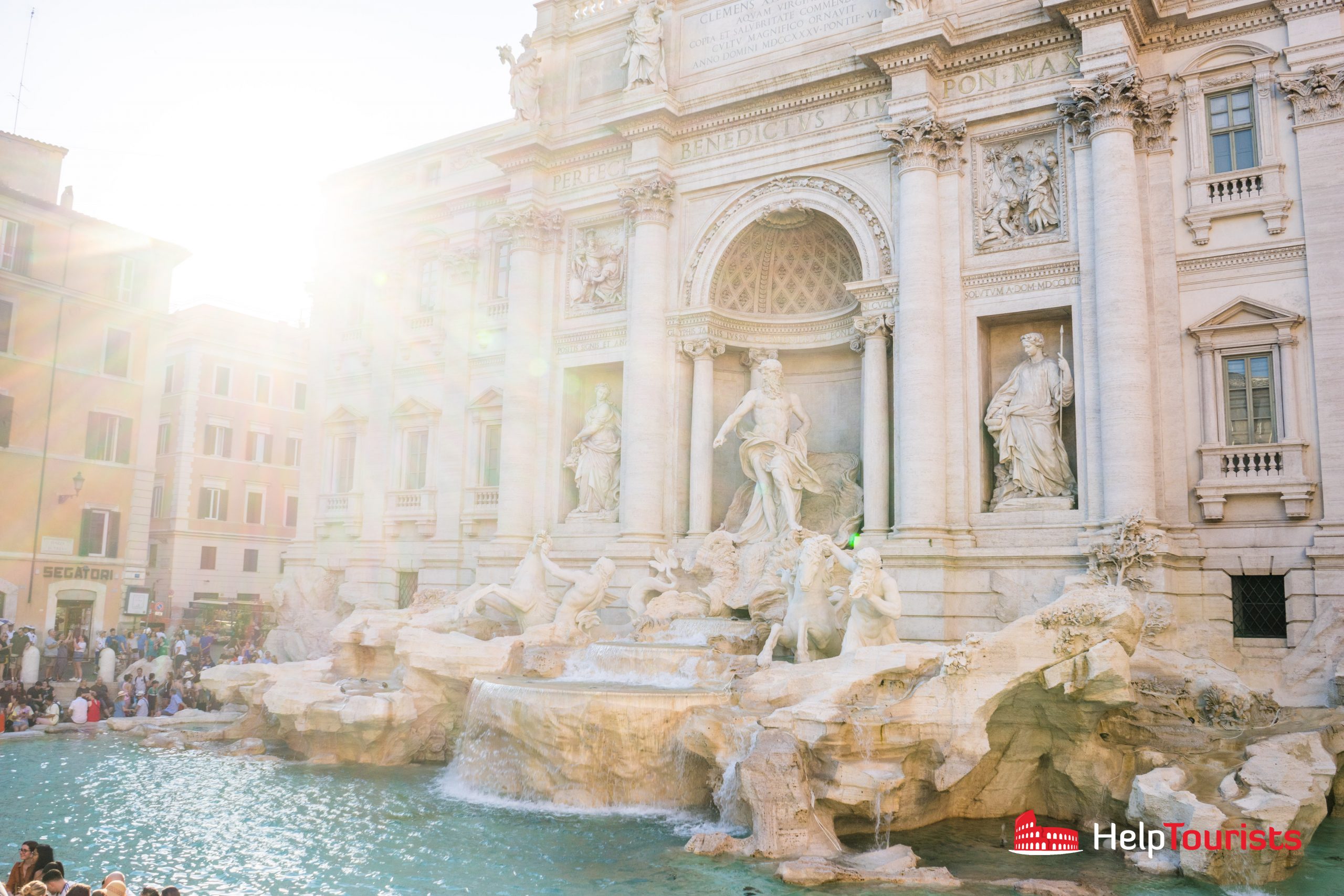
Situated in the heart of Rome, the Trevi Fountain is not merely an architectural marvel; it encapsulates a tapestry of history, culture, and folklore. This monumental fountain stands as the largest Baroque fountain in the city and has become an emblematic landmark adored by millions. What stories lie buried beneath the travertine stones and cascading waters? More intriguingly, have you ever pondered the secrets of the wishes whispered in its waters? Let’s delve into some captivating facts surrounding the Trevi Fountain that weave together its legends, the tradition of wishes, and the mesmerizing qualities of its water.
1. A Historical Prelude
The Trevi Fountain’s roots trace back to ancient Rome. The site of the fountain was originally part of the Aqua Virgo aqueduct, constructed in 19 B.C. to supply water to the Roman baths and fountains. The name Trevi itself derives from the Italian word “tre vie,” translating to “three streets,” where the fountain is located at the intersection of three roads. This strategic position made it a vital source of water in a burgeoning urban environment. Have you ever considered how many generations have gathered here, drawn together by the promise of fresh water?
2. A Symphony of Sculpture and Design
The grandeur of the Trevi Fountain can be attributed to its Baroque design, orchestrated by the architect Nicola Salvi in 1732, and later completed by Giuseppe Pannini. The composition features a stunning array of sculptures, notably the central figure of Oceanus, the god of the sea, riding a chariot pulled by two horses that embody contrasting temperaments—one calm and the other tempestuous. Each element is meticulously crafted, offering a narrative about nature and the power of water. Have you taken the time to admire the intricate details that evoke such strong emotions?
3. The Allure of Coin Tossing
A visit to the Trevi Fountain is incomplete without participating in the world-famous coin-tossing tradition. Legend posits that if you toss a coin over your left shoulder with your right hand, you are assured a return to Rome. Tossing two coins promises love, while three ensures marriage. The fountain sees approximately 3,000 euros tossed in daily, most of which are collected and donated to charity. Would you dare to make a wish and test the waters of fate?
4. Mythological Origins and the Power of Water
Water in Roman culture has always held prodigious significance, often associated with purification and transformation. The Trevi Fountain is rife with mythological allusions; it was believed that the Aqua Virgo aqueduct was discovered by a young girl who guided thirsty Roman soldiers to its source. This fable reinforces the fountain as a symbol of hope and rejuvenation. The convergence of water and mythology ignites the imagination—how many tales have been spun around its splendid cascades?
5. Restoration and Preservation Efforts
Despite its age and cultural heritage, the Trevi Fountain has faced challenges over the years, particularly in terms of wear and tear. Major restoration projects have taken place, the most recent occurring from 2014 to 2015 at an impressive cost of approximately 2.2 million euros, funded mainly by a fashion house. These endeavors not only preserve the fountain’s majestic appearance but also serve as a reminder of its significance to both locals and tourists. How might we value our treasures before they fade into obscurity?
6. Entering the Cinematic Canon
The Trevi Fountain has graced the silver screen in numerous films, most notably in the iconic scene from Federico Fellini’s “La Dolce Vita,” where Anita Ekberg wades through the waters, capturing the romantic essence of the fountain. This cinematic legacy has further cemented its status as a symbol of love and nostalgia. Could the fountain’s resonance with audiences worldwide be attributed to its enchanting beauty or the stories it inspires?
7. Environmental Initiatives
In recent times, the Trevi Fountain has also embarked on environmental awareness initiatives. The water that flows through the fountain is recycled, echoing a broader push towards sustainability in urban landmarks. The practice of sustainability allows balance, ensuring that such cultural treasures can be enjoyed for generations without depleting natural resources. In a world increasingly aware of ecological footprints, how can landmarks like the Trevi Fountain guide us in environmental stewardship?
8. A Modern Interpretation
While steeped in tradition, the Trevi Fountain evolves with contemporary society. The rise of social media has transformed how visitors engage with the fountain. Selfies and videos litter platforms, capturing the moment in the glistening light. While this modern approach to sharing experiences deepens the engagement with the fountain, it inevitably raises questions about authenticity and the preservation of cultural sites in the digital age. How does this blend of old and new influence the perception of historical landmarks?
The Trevi Fountain invites admiration in more ways than one. It serves not only as an architectural wonder but as a repository of legends, wishes, and reflections of the human experience. Its waters whisper untold tales, encouraging each visitor to partake in its cultural narrative. Will you add your story to this timeless masterpiece, and perhaps make a wish while you’re at it? The next time you stand before its splendor, contemplate the myriad connections that have led you there, and think about how your desire may ripple through time and space, just like the water that flows endlessly from its heart.