Rome, the Eternal City, captivates millions with its rich tapestry of history and culture that stretches back over two millennia. The mere mention of this iconic city evokes images of ancient ruins, bustling piazzas, and delectable cuisine. Yet, beyond its renowned landmarks lies an intriguing depth that makes Rome an endless source of fascination. This article delves into the myriad of facts about Rome, shedding light on its illustrious past and unearthing some of its hidden secrets.
1. Historical Significance
Rome’s history began in 753 BC with the founding myth of Romulus and Remus, twin brothers raised by a she-wolf. This foundational tale is steeped in lore, yet it marks the inception of an empire that would dominate the Mediterranean for centuries. By the time of Augustus, Rome transitioned from a republic to an imperial power, serving as the epicenter of politics, culture, and trade.
2. Architectural Marvels
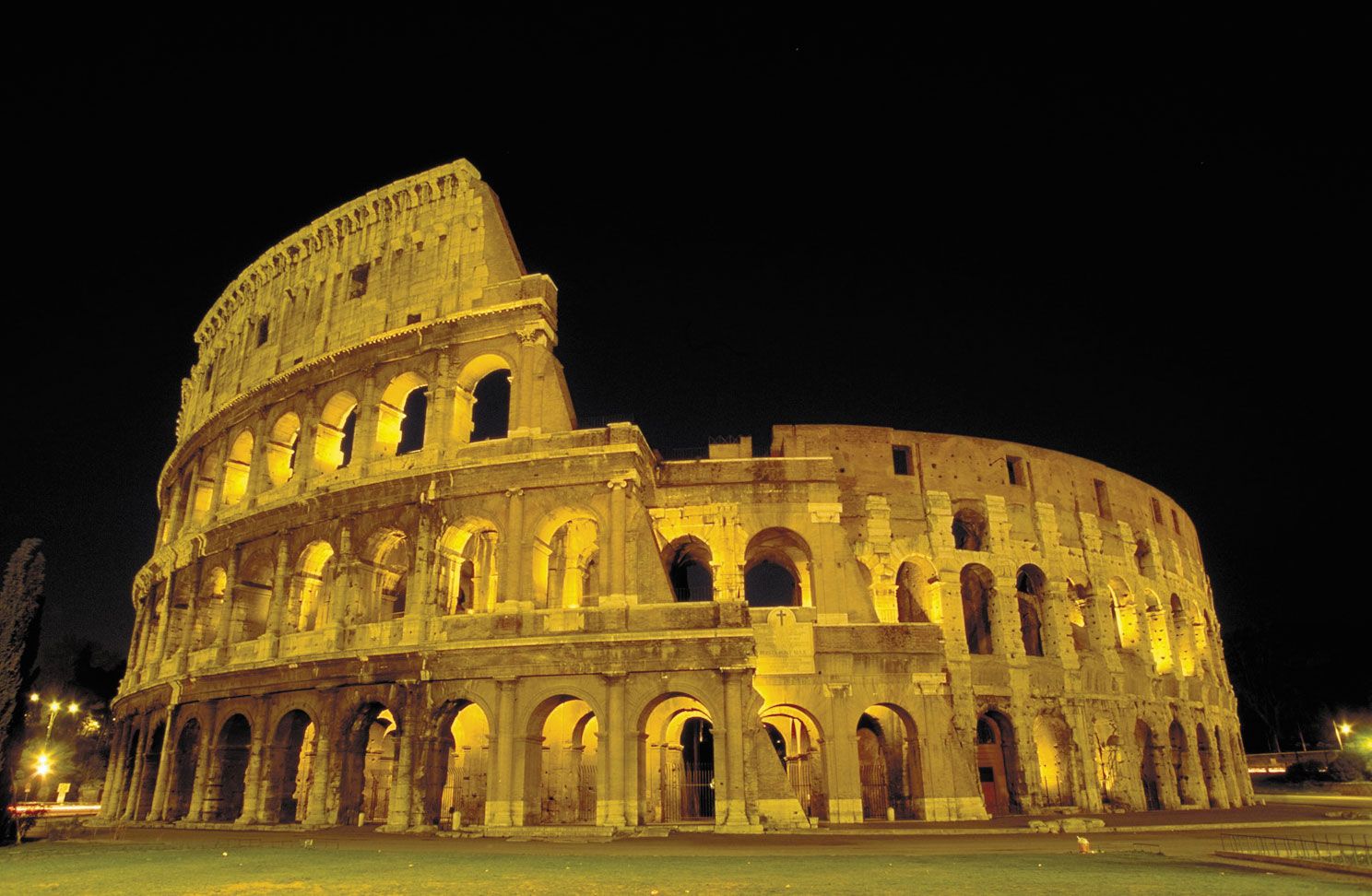
Rome is home to some of the world’s most iconic architectural masterpieces. The Colosseum, a grand amphitheater completed in AD 80, stands testament to Roman engineering prowess. One of its hidden secrets lies in its underground chambers, known as the hypogeum, where gladiators and animals were kept before their dramatic showcases. Ingenious methods of raising and lowering these competitors demonstrated a level of sophistication that astonishes historians today.
3. A City Built on Seven Hills
Rome is famously built on seven hills: Aventine, Caelian, Capitoline, Esquiline, Palatine, Quirinal, and Viminal. Each hill offers a unique perspective of the city and is accompanied by its own myths and histories. For instance, it is on the Palatine Hill that the ruins of ancient palaces remind us of the opulent lifestyles of Rome’s emperors.
4. The Vatican City—A City Within a City
While visiting Rome, it is impossible to overlook the Vatican City, the world’s smallest independent state, both in area and population. This religious enclave is the spiritual and administrative center for Roman Catholics globally, housing monumental treasures such as St. Peter’s Basilica and the Sistine Chapel. The latter boasts Michelangelo’s breathtaking frescoes, yet few know that the chapel serves as the site of the papal conclave—where a new pope is elected—a process veiled in secrecy and tradition.
5. Hidden Waterways
Beneath the bustling surfaces of modern Rome lies an intricate network of ancient aqueducts. Built to channel water to the city, these engineering marvels are both visible and hidden. While many tourists admire the Aqua Appia and Aqua Claudia above ground, the mesmerizing underground remnants whisper tales of Roman ingenuity and daily life.
6. The Catacombs—A Parallel World
As the city expanded, so too did its burial practices. Rome is dotted with catacombs—vast subterranean networks serving as burial grounds for Christians in the early centuries. The Catacombs of San Callisto and San Sebastiano offer a haunting glimpse into a world where art and faith intertwined within their intricate frescoes and inscriptions. These corridors, imbued with sacred significance, challenge the perception of death as merely an end; they celebrate resurrection and eternal life.
7. Festivals and Celebrations
Rome’s calendar is punctuated by numerous festivals, many steeped in ancient tradition. The Roman Carnival, culminating in the grand celebration of Martedi Grasso (Fat Tuesday), showcases extravagant masks and vibrant parades. The origins of these eclectic revelries trace back to antiquity, reflecting the city’s ability to embrace both the sacred and the profane. This duality continues to intrigue scholars and revelers alike.
8. Culinary Delights with Historical Roots
Indulging in Roman cuisine goes beyond mere taste; it is a journey through history. Traditional dishes like “Cacio e Pepe” and “Carbonara” reflect the agricultural trends of ancient Rome, using simple yet flavorful ingredients. An unexpected fact is that many recipes find their roots in Roman times, revealing the city’s enduring culinary legacy that has influenced cuisines worldwide.
9. Artistic Intricacies
Rome is an artistic epicenter; it boasts an inspiring lineage of painters, sculptors, and architects. The city’s vibrant art scene has produced luminaries like Caravaggio, Bernini, and Raphael. Visitors can wander through the Galleria Borghese to encounter not just art but also the complex stories behind the masterpieces. Hidden details within these artworks often hold clues to the political and social struggles of their eras, prompting deeper consideration of the motifs and symbols employed.
10. The Enigmatic Tiber River
The Tiber River slices through the heart of Rome, serving as a lifeline for centuries. While charming riverside strolls abound, the Tiber harbors its own mystique. Legends abound of the river’s role in the city’s founding. Furthermore, submerged elements in its depths, from ancient vessels to remnants of architectural structures, evoke intrigue about hidden narratives beneath the surface.
In conclusion, Rome is far more than its grand monuments and tourist trails. Each cobbled street, hidden corridor, and storied piazza is a testament to its layered history and cultural wealth. As one traverses the Eternal City, the careful observer unveils history’s secrets, enriching their understanding and appreciation of this timeless metropolis. Whether discovering the depths of the catacombs, basking in the art of the Vatican, or savoring a traditional dish, the allure of Rome resonates through time, unfolding the endless secrets waiting to be explored.