The allure of Rome is undeniable. This ancient city, with its rich historical tapestry, has captivated travelers and scholars alike for centuries. From undulating cobblestone streets to monumental edifices steeped in history, Rome is often referred to as the “Eternal City.” But what are the underlying factors contributing to this fascination? Let’s delve into some engaging facts about Rome, unveiling both its ancient wonders and perpetual charm.
1. A Tapestry of Millennia
Rome’s history spans over 2,500 years, making it one of the oldest continuously inhabited cities in Europe. Its layers of history are evident in every corner, from the remnants of the Roman Empire to the Renaissance art that flourished during the Papacy. Each era has imprinted its identity upon the city, generating a historical depth that envelops visitors and offers endless exploration.
2. Architectural Marvels: The Colosseum
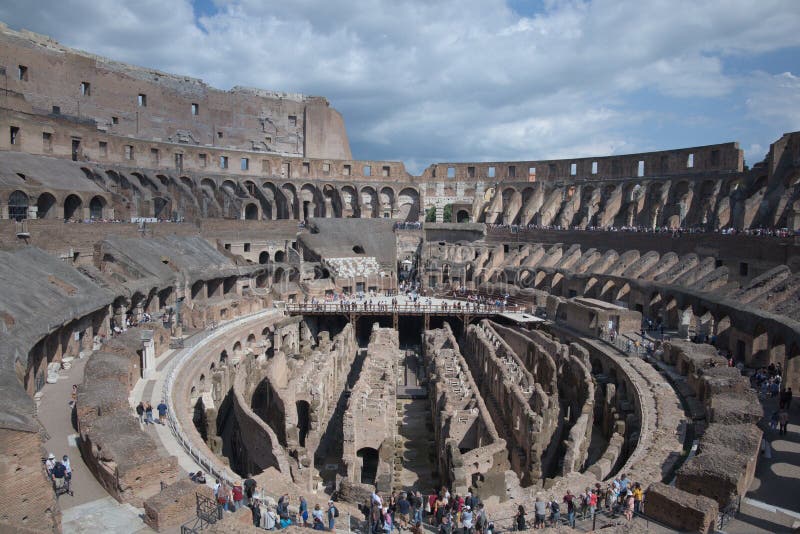
Arguably the most iconic symbol of Rome, the Colosseum stands as a testament to Roman engineering prowess and cultural priorities. Completed in AD 80, it could seat over 50,000 spectators who gathered to watch gladiatorial contests and public spectacles. Beyond its grandeur, the Colosseum reflects the social hierarchies of ancient Rome, where the thrills of violence were both entertainment and a display of prowess.
3. The Vatican City: A Sovereign Enclave
Within the metropolis lies Vatican City, the smallest independent state in the world. This remarkable enclave is not only the spiritual heart of the Roman Catholic Church but also a treasure trove of art and history. The Vatican Museums house an extensive collection of art amassed by popes over centuries, including Michelangelo’s breathtaking frescoes in the Sistine Chapel. The juxtaposition of spirituality and astoundingly beautiful art deepens the intrigue of this area.
4. Roman Cuisine: An Epicurean Voyage
The culinary scene in Rome is another facet of its allure. Traditional Roman dishes, from carbonara to cacio e pepe, reflect the city’s agrarian roots and the influence of Rome’s historical epochs. Visiting local trattorias offers not just a meal, but a glimpse into the everyday life of Romans. This sense of community is palpable in bustling markets such as Campo de’ Fiori, where the vibrancy of local produce can captivate any visitor.
5. Surreal Landscapes: The Seven Hills
Rome resides on seven hills, each with its own legend and historical significance. Palatine Hill is the birthplace of the city, where Romulus is said to have founded Rome. The scenic elevations provide breathtaking vistas over the sprawling metropolis, reinforcing the notion that Rome is a living historical palimpsest. It invites exploration not only of its streets but of the profound stories encased within its geography.
6. The Pantheon: A Masterpiece of Engineering
Constructed between A.D. 113 and 125, the Pantheon stands as an architectural marvel, boasting a dome that remains the largest unreinforced concrete dome in the world. Its oculus—an opening at the dome’s apex—illuminates the interior, symbolizing the connection between Rome and the divine. The blend of Corinthian columns with cutting-edge engineering showcases the ingenuity of Roman architects, solidifying its status as a wonder through the ages.
7. The Importance of Public Spaces: Roman Fora
The Roman Forum, once the heart of public life, stands as a vivid reminder of the city’s once-thriving civic engagements. It was here that speeches, commerce, and social gatherings flourished. Walking through the ruins, one can envision the grandeur of public life, underscored by a keen understanding of societal dynamics that defined the Roman era. The remnants of temples, basilicas, and triumphal arches paint a picture of a bustling urban center.
8. An Artistic Renaissance: Baroque Influences
The Baroque period left an indelible mark on Rome’s aesthetic, exemplified by Gian Lorenzo Bernini’s masterful sculptures and architectural designs, such as the breathtaking Piazza San Pietro. This era was characterized by extravagance and emotion, culminating in sensational works that ignited dialogue between art and spirituality. The embellished façades and lavish interiors found throughout the city evoke deep admiration for the transformative power of art.
9. The Timelessness of the Tiber River
Flowing languidly through the heart of the city, the Tiber River has witnessed the rise and fall of empires. The river’s significance transcends mere geography; it served as a vital trade route and a source of sustenance. Today, riverside promenades provide tranquil retreats from the bustling city, inviting reflection on the continuum of life in Rome, where ancient history and modern existence intertwine seamlessly.
10. The Enchantment of Ancient Festivals
Rome’s calendar is punctuated by ancient festivals that celebrate its rich history. Events such as the Palio di Siena and various reenactments of historical moments pervade the city, drawing locals and tourists alike. These festivities intertwine the past and present, fostering community spirit and enabling a deeper appreciation of Roman culture. Engaging with these traditions offers insight into the city’s enduring legacy.
Rome’s magnificence stems not solely from its tangible relics but from the resonance of its history, culture, and shared human experience. The city is a living monument to the complexities of human civilization, inspiring curiosity and reverence alike. Each visit to Rome can uncover new layers of this ancient wonder, reaffirming its reputation as an irreplaceable epicenter of lore and beauty.