Shakespeare’s “Romeo and Juliet,” a quintessential study in tragic love, continues to captivate audiences with its poignant portrayal of youthful passion and the consequences of familial feuds. This timeless narrative, set in Verona, transcends the boundaries of time, revealing insights into the human condition. Below are several compelling facts and reflections on this iconic tale that underscore its enduring significance in both literature and society.
1. The Historical Context
Written in the late 16th century, “Romeo and Juliet” emerged during the Elizabethan era, an epoch characterized by a flourishing of the arts and a burgeoning interest in humanist ideals. The period was marked by a shift toward individualism and personal expression, which is embodied in the characters’ fervent emotions. The societal norms of the time, including the rigid class structures and the expectation of arranged marriages, serve as a backdrop that heightens the tragic elements of the play.
2. The Role of Fate
One of the most intriguing aspects of “Romeo and Juliet” is the concept of fate. The “star-crossed lovers” concept suggests that their destinies are preordained, and that the universe conspires against them. This notion raises poignant questions about free will versus determinism. Despite their best efforts to forge their own paths, the characters are ultimately ensnared by a web of fate, a theme that resonates with audiences who grapple with their own life choices and circumstances.
3. The Duality of Love
The play explores the dual nature of love, depicting both its ecstasy and its potential for destruction. Romeo and Juliet experience a passionate infatuation that blinds them to the consequences of their choices. Their love is initially intoxicating, yet it spirals into tragedy when familial loyalty and societal expectations collide with their affections. This dichotomy serves as a cautionary tale about the dual-edged sword of love, reminding readers that profound love can coexist with despair.
4. Parental Influence and Rebellion
At the heart of the narrative is the tension between parental authority and youthful rebellion. The Capulet and Montague families embody the destructive legacy of hatred and rivalry. Juliet’s defiance in pursuing her love for Romeo, despite her family’s disdain, highlights the struggle for autonomy. This intergenerational conflict is a recurring theme that resonates with young adults who often find themselves at odds with their parents in matters of love and identity.
5. The Importance of Timing
Timing is a crucial element in the play; the rapid progression from love to tragedy highlights the fleeting nature of moments in life. The serendipitous encounters and unfortunate miscommunications propel the plot towards its catastrophic conclusion. The juxtaposition of chance and timing emphasizes the fragility of life, making audiences reflect on how seemingly trivial moments can lead to monumental consequences.
6. Linguistic Richness
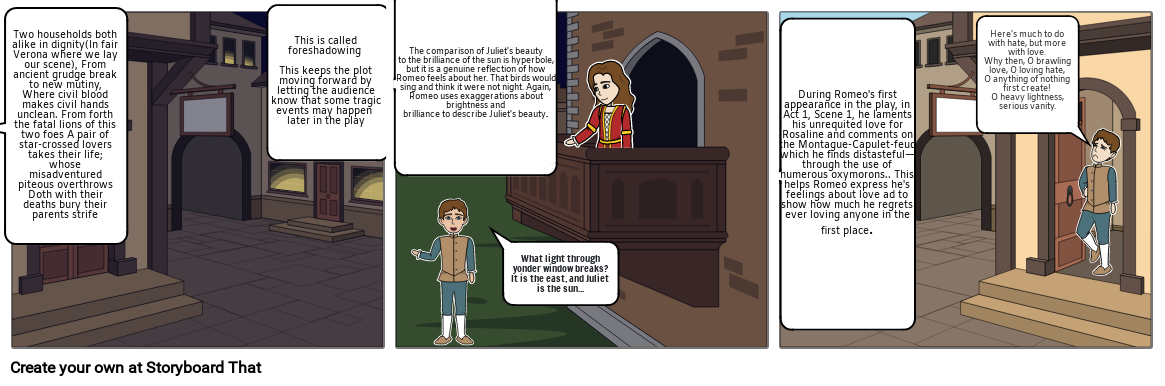
Shakespeare’s use of language in “Romeo and Juliet” is nothing short of masterful. The play is replete with puns, metaphors, and sonnets that convey complex emotions and enhance character development. The famous balcony scene, rich with romantic imagery and poetic dialogue, encapsulates the beauty and yearning of young love. The linguistic craftsmanship employed elevates the narrative, establishing Shakespeare not just as a playwright but as a literary innovator.
7. The Cultural Impact
Beyond the confines of literature, “Romeo and Juliet” has significantly influenced art, music, and modern storytelling. Numerous adaptations in various forms, including opera, ballet, film, and musical theater, attest to its universal themes and relational dynamics. Each interpretation brings forth new dimensions while retaining the core elements of the original tragic romance. This cross-cultural resonance speaks to the play’s ability to transcend boundaries and connect with diverse audiences.
8. Gender Roles and Expectations
The characters of Romeo and Juliet also illuminate the intricacies of gender roles within their society. Juliet, while initially presented as a submissive daughter, evolves into a strong-willed character willing to take drastic measures for love. Her agency contrasts starkly with the societal limitations imposed upon her. Similarly, Romeo embodies the archetype of the romantic hero while grappling with expectations of masculinity. The interplay of these gender dynamics invites critique of societal norms and encourages a reevaluation of gender roles.
9. Symbolism and Imagery
Throughout the play, Shakespeare employs rich symbolism and imagery that reinforce the themes of love, conflict, and fate. Light and darkness serve as recurring motifs; the brightness of Romeo and Juliet’s love is often juxtaposed with the looming shadows of their impending doom. Such symbols deepen the emotional resonance of the narrative, prompting audiences to consider the profound interconnectedness of love and loss.
10. Enduring Relevance
The tragic fate of Romeo and Juliet continues to resonate in contemporary society, where themes of forbidden love, social divisions, and the consequences of haste and misunderstanding remain pertinent. The play invites readers to examine their own lives through the lens of love and loss, urging them to contemplate the complexities of human relationships. As society grapples with issues of identity and belonging, the timelessness of this tragedy underscores the enduring nature of Shakespeare’s insights into the human experience.
In conclusion, the allure of “Romeo and Juliet” lies not merely in its tragic conclusion but in the myriad themes it explores. From the intricacies of love and fate to the societal constraints that define human relationships, the play encourages introspection and dialogue. It serves as a testament to the power of love, its potential for both joy and sorrow, and the complexities that define our existence.