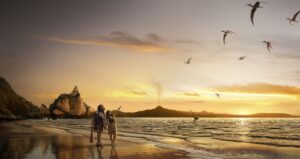
Cameroon, often dubbed “Africa in One Country,” is an exquisite tapestry woven from a myriad of cultural, geographical, and ecological threads. Straddling the equator at a juncture of diverse regions, this Central African nation encapsulates a stunning variety of landscapes, languages, and lifestyles. From its bustling urban centers to its serene rural villages, Cameroon offers a captivating journey for explorers, historians, and those seeking a glimpse into the continent’s rich heritage. Below, we delve into the multifaceted nature of Cameroon, showcasing the abundance of experiences and insights that await any curious wanderer.
Geographical Diversity
From the snow-capped peaks of Mount Cameroon to the sultry shores of the Atlantic Ocean, the nation’s diverse geography is one of its most compelling attributes. The country can be divided into five principal regions, each characterized by distinct topographies and climates.
- Coastal Regions: The lush coastal areas provide a tropical environment, thriving with local fisheries and trade activities. Towns like Douala, the industrial hub, embody the vibrancy of Cameroonian commerce.
- Western Highlands: This region is home to majestic mountains and fertile lands, making it a haven for agricultural practices. The indigenous people here maintain rich cultural traditions, often reflected in their hilly landscapes.
- North and Far North Regions: These arid areas showcase the resilience of communities in coping with harsher climates. The landscapes are punctuated by dramatic plateaus and savannahs, supporting pastoral life.
- Adamawa Plateau: Known for its unique biodiversity, the Adamawa region offers a blend of both the northern and southern climatic influences, fostering a rich ecosystem.
- East and South Regions: Dense rainforests thrive in these areas, which are teeming with wildlife. Rich with natural resources, these forests are crucial for the country’s ecological health.
Cultural Mosaic
Cameroon is a microcosm of Africa’s ethnic diversity, boasting over 250 distinct ethnic groups. This multiplicity creates a vibrant cultural landscape where languages, traditions, and customs intermingle seamlessly. The official languages, French and English, have coexisted alongside indigenous languages like Fulfulde, Ewondo, and Beti.
The cultural norms can significantly vary not just among regional groups, but even within them, showcasing an array of musical styles, traditional attire, and culinary delights. Festivities such as the Ngondo Festival of the Sawa people or the Tchamba Festival of the Tikar offer mesmerizing displays of traditional music and dance that resonate with the spirit of the people.
Festivals and Celebrations
Every corner of Cameroon celebrates its unique cultural heritage through vibrant festivals that draw locals and international visitors alike. Festivals are opportunities for communities to showcase their distinct identities through colorful displays of dance, music, and gastronomy.
- Makossa and Bikutsi: Music genres that have taken the country by storm are often performed at communal gatherings, highlighting a blend of traditional melodies with contemporary influences.
- Fête du Njangi: This celebration is a demonstration of solidarity, where families and communities come together to support each other’s endeavors.
Wildlife and Natural Resources
The rich biodiversity of Cameroon is impressive, hosting numerous endangered species, such as the African elephant and the Cross River gorilla. National parks, such as Waza and Lobéké, provide sanctuary for these animals while ensuring that ecological balance is maintained.
Forests rich in timber, agricultural fields, and mineral deposits establish the country as an essential player in environmental preservation and resource management. Efforts to promote sustainable tourism also reflect a growing awareness of conservation needs, drawing environmentally conscious travelers eager to witness Cameroon’s natural splendor.
Culinary Delights
The culinary scene in Cameroon is as diverse as its culture, offering tantalizing dishes influenced by different regional ingredients and traditional cooking methods. Meals often revolve around staples such as cassava, yams, bananas, and rice.
- Ndole: A beloved dish made from bitter leaves, peanuts, and fish or meat that exemplifies the country’s rich tradition of flavors.
- Achu: A culinary delight from the Southwest region, featuring mashed cocoyams garnished with spicy groundnut sauce, showcasing traditional cooking techniques.
- Street Food: The bustling markets serve a variety of delectable street food, from grilled meat skewers to peppered snails, reflecting the vibrant street food culture.
Healthcare and Education
While Cameroon struggles with challenges in healthcare infrastructure and educational access, various initiatives aim to improve the quality of life for its citizens. Community-based health programs and international partnerships are vital in combating diseases such as malaria and HIV/AIDS.
In the educational sector, there is a growing emphasis on improving literacy rates, with increased focus on training educators and enhancing school facilities. As the youth embody the nation’s future, their educational development is critical for Cameroon to harness its demographic potential.
Conclusion
Cameroon serves as a microcosm of Africa’s extraordinary diversity, presenting an encounter that is both enriching and enlightening. From its vibrant cultures and stunning landscapes to its culinary treasures and landmark festivals, every aspect of the country invites discovery. Navigating the intricate tapestry that is Cameroon reveals not just a country, but a vivid narrative of resilience, innovation, and tradition echoing through the ages. Whether you are a traveler seeking adventure, a scholar interested in cultural intersections, or an enthusiast of nature, Cameroon promises an unparalleled experience that resonates long after one has departed.