
Short Answer
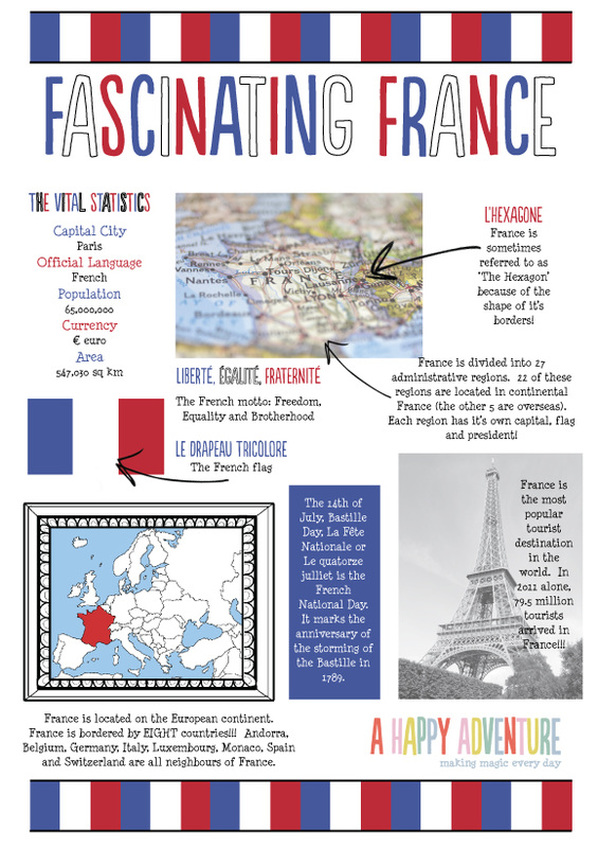
France is a nation steeped in history, renowned for its artisanal cuisine and romantic ambiance. This captivating country excites the senses with its cultural richness, presenting layers of intrigue that extend well beyond its picturesque landscapes and iconic landmarks. Here’s an exploration of interesting fun facts about France encompassing romance, food, and that irresistible French flair.
1. The Language of Romance
The very essence of France is often encapsulated in its language; French is frequently considered the language of love. The melodic quality of French speech, combined with its romantic vocabulary, has led many to find it irresistible. The alphabet features unique accents like the acute (é), grave (è), and circumflex (ê), contributing to its lyrical charm and nuanced pronunciation. Interestingly, French is not only one of the most studied languages worldwide but is also designated as an official language in 29 countries, stretching far beyond the borders of France itself.
2. A Culinary Haven
France’s impact on gastronomy is undeniable. The country is home to the esteemed Michelin Guide, which rates restaurants based on their culinary excellence. French cuisine is characterized by its emphasis on fresh ingredients and meticulous preparation techniques, setting the benchmark for culinary arts globally. From the savory delight of coq au vin to the delicate finesse of macarons, there’s a plethora of regional specialties that exemplify the diversity found within French cuisine. Moreover, France accounts for nearly a quarter of the world’s wine production, with over 7,000 vineyards scattered throughout the country.
3. Baguette: A National Symbol
No discussion of French food would be complete without mentioning the iconic baguette. This long loaf of French bread is more than just a staple; it embodies the French joie de vivre. Interestingly, in 1993, the baguette was classified as part of France’s cultural heritage, cementing its status as a national symbol. Traditional bakers often adhere to a strict formula that includes flour, water, yeast, and salt, producing a crusty exterior with a soft, airy interior. Notably, the annual “Baguette of the Year” competition in Paris attracts bakers from across the nation, showcasing their exceptional skills.
4. Artistic Elegance
France’s contributions to the world of art are monumental, with the Louvre Museum in Paris housing over 380,000 works, including the Mona Lisa and the Venus de Milo. The Louvre itself was originally a royal palace before transforming into a public museum during the French Revolution. Moreover, France has been home to countless influential artists, from Claude Monet to Henri Matisse, shaping various movements such as Impressionism and Surrealism. Artistic festivals like the Cannes Film Festival and the Festival d’Avignon highlight France’s ongoing commitment to celebrating and promoting the arts, showcasing both established and emerging talents.
5. Châteaux and Historical Splendor
The majestic châteaux scattered throughout the French countryside are a testament to the nation’s rich history. These grand castles, like the Château de Chambord and Château de Versailles, served as royal residences and symbols of political power. Today, many of these châteaux are open to the public as museums, allowing visitors to bask in opulence that characterized French nobility. The architecture reflects a blend of Renaissance grandeur and Baroque splendor, with ornate gardens often designed by celebrated landscape architects such as André Le Nôtre.
6. Idyllic Villages and Stunning Landscapes
Beyond the bustling cities, France is dotted with quaint villages and breathtaking landscapes. Places like the lavender fields of Provence and the cliffs of Étretat evoke a sense of serenity and timeless beauty. Additionally, the French Riviera, known for its stunning coastal views, attracts jet-setters and artists alike. The natural diversity of France extends from the snow-capped peaks of the Alps to the rolling vineyards of Bordeaux, making it a paradise for both outdoor enthusiasts and those in search of picturesque escapades.
7. Festivals and Traditions
France’s vibrant culture is underscored by its numerous festivals and traditions, which celebrate everything from food to history. Bastille Day on July 14th commemorates the French Revolution and is marked with fireworks, parades, and parties throughout the country. Similarly, the Fête de la Musique, celebrated on the summer solstice, invites musicians of all genres to perform in public spaces, fostering a communal appreciation for music. Culinary festivals, such as the Fête de la Gastronomie, spotlight France’s culinary heritage and encourage chefs to showcase innovative dishes inspired by tradition.
8. The French Love for Fashion
Embodying unparalleled elegance and sophistication, French fashion continues to dominate the global stage. Cities like Paris are recognized for hosting prestigious fashion shows during Paris Fashion Week, where renowned designers unveil their latest collections. The phrase “Parisian chic” has become synonymous with style, reflecting an innate sense of polish and effortless glamour. French couture houses such as Chanel, Dior, and Givenchy have set trends that resonate worldwide, making France a nexus of haute couture.
9. Renowned Philosophers and Thinkers
France has been the birthplace of numerous philosophical movements that have shaped modern thought. Enlightenment figures like Voltaire and Rousseau challenged societal norms and contributed to debates about human rights and governance. In the 20th century, existentialists like Jean-Paul Sartre and Simone de Beauvoir redefined notions of existence and personal freedom. The French intellectual tradition showcases a legacy of rigorous inquiry and profound reflections on the human experience.
10. The Allure of French Cinema
The French cinema landscape is as rich as its cuisine, with the Cannes Film Festival being one of the most prestigious film festivals globally. French films are celebrated not only for their artistic merit but also for their ability to evoke deep emotional connections. Directors such as François Truffaut and Jean-Luc Godard have left an indelible mark on the film industry, further establishing France as a critical hub for cinematic innovation. The unique storytelling techniques employed in French cinema often stand in stark contrast to Hollywood conventions, offering audiences a refreshing alternative.
In conclusion, France is a tapestry woven with threads of romance, culinary artistry, and cultural sophistication. Each element contributes to a rich narrative that attracts millions of visitors each year. This exploration of the captivating nuances of French life invites you to delve deeper into everything that makes this nation enchanting.
FAQ
What is the significance of the French language?
The French language is often referred to as the language of love due to its melodic quality and romantic vocabulary, and it is an official language in 29 countries.
What makes French cuisine unique?
French cuisine is characterized by fresh ingredients, meticulous preparation, and a wide array of regional specialties, including iconic dishes like coq au vin and macarons.
Why are French châteaux important?
French châteaux are historical castles that reflect the country’s rich history and architectural grandeur, many of which are now museums open to the public.
What role does fashion play in French culture?
France, particularly Paris, is recognized globally for its fashion industry, hosting prestigious events like Paris Fashion Week and being home to renowned designers.



Leave a Reply