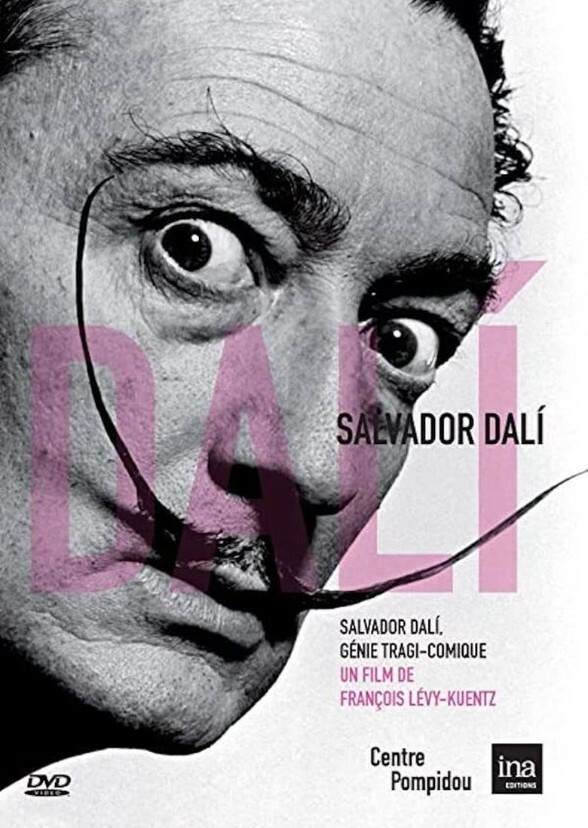
Salvador Dalí, an enigmatic figure in the art world, transcended conventional boundaries with his surrealist masterpieces. His eccentric personality and revolutionary techniques continue to intrigue art enthusiasts and casual observers alike. What makes Dalí’s artistry so irresistibly fascinating? In this exploration, we shall delve into compelling facts that illuminate the distinctiveness of this surreal genius. Prepare to challenge your perceptions as we unveil the layers of a man whose life and work remain both captivating and perplexing.
1. A Surrealist Pioneer
Dalí is often celebrated as one of the foremost architects of the surrealist movement, a style that intertwines dreams and reality. In the 1920s, he began collaborating with prominent surrealists like André Breton, contributing significantly to the group’s ideology. His infamous painting, “The Persistence of Memory,” featuring melting clocks draped over a barren landscape, epitomizes this blending of dream and reality. It serves as a reminder of time’s fluidity and invites viewers to ponder the nature of their own perceptions within the dreamscape of life.
2. A Unique Artistic Technique
Dalí’s artistic process was both innovative and unorthodox. He famously employed the “paranoiac-critical method,” a technique he developed to tap into his subconscious mind. This method involved inducing a state of self-induced paranoia, allowing him to experience a heightened awareness of his thoughts and feelings. The results were often extraordinary; ordinary objects transformed into symbols of deeper meaning, creating dreamlike narratives that resonated with viewers on multiple levels.
3. Eccentric Persona
To describe Dalí as eccentric would be an understatement. His flamboyant mustache, perfectly coiffed hair, and penchant for outlandish clothing became hallmarks of his identity. He reveled in the extravagant, often using his public persona as a canvas to showcase his artistic philosophy. In interviews, he once stated, “I am not a surrealist. I am a hallucination.” This self-proclamation constantly blurred the lines between the artist and his creations, reflecting the very essence of surrealism.
4. A Love Story with Gala
Perhaps one of the most compelling aspects of Dalí’s life was his passionate relationship with his beloved wife, Gala. Initially his muse, she became intricately woven into his work and life, often appearing in his most revered paintings. Their relationship defied conventional norms, becoming a source of both inspiration and tumult. Frequently, Gala was portrayed in surrealistic scenes, embodying themes of desire, obsession, and the ever-elusive nature of love.
5. The Dalí Theatre-Museum
Located in Figueres, Catalonia, the Dalí Theatre-Museum is a testament to Dalí’s profound legacy. This museum, which he designed himself, houses the largest collection of his works globally. Visitors can explore a labyrinthine structure featuring numerous iconic pieces, including “The Sacrament of the Last Supper” and “The Eight Legs of the Octopus.” The unique architecture, complete with the iconic eggs perched atop the museum, manifests Dalí’s larger-than-life creativity, further solidifying his impact on contemporary art.
6. Influence Beyond Art
Dalí’s influence permeates various aspects of culture, extending beyond canvas and sculpture into realms such as film, literature, and fashion. His collaboration with filmmaker Luis Buñuel on “Un Chien Andalou” was groundbreaking, as it melded cinematic narrative with surrealist themes. Additionally, Dalí’s visual aesthetics have inspired fashion designers like Elsa Schiaparelli, who integrated his surreal motifs into clothing. This cross-disciplinary exchange underscores Dalí’s role as a cultural icon rather than merely an artist.
7. A Knack for Controversy
Dalí delighted in sparking controversy, employing provocative imagery and themes that challenged societal norms. His openness about controversial subjects, such as sexuality and death, often generated backlash. However, rather than retreating, he leaned into such tensions, challenging audiences to confront uncomfortable truths. This boldness not only solidified his reputation as a leading figure in surrealism but also demonstrated the power of art to confront and provoke.
8. An Obsession with Science
Dalí’s interest in science profoundly influenced his artistic vision. He frequently infused his works with scientific concepts, from the study of physics to the theories of quantum mechanics. This fascination culminated in his painting “The Sacrament of the Last Supper,” which blends spiritual themes with a three-dimensional geometric structure inspired by Einstein’s theory of relativity. Such fusion of science and art reveals Dalí’s desire to understand the universe’s mysteries through creative expression.
9. The Return to Traditional Techniques
Despite his avant-garde reputation, Dalí retained a deep appreciation for classical artistic techniques. In his later years, he returned to classical methods and realism, highlighting his technical prowess. Works from this period reflect a mastery of chiaroscuro and perspective, showcasing his ability to meld traditional artistry with surrealist imaginings. This juxtaposition challenges the notion of artistic evolution, as Dalí navigated between innovation and tradition seamlessly.
10. Legacy and Influence
Salvador Dalí’s legacy endures, inspiring generations of artists, filmmakers, and creatives. His signature style and unconventional methods continue to resonate in contemporary art and culture. With museums dedicated to his works, exhibitions showcasing his influence, and discussions on his psychological depth, Dalí’s narrative is far from over. As one contemplates the enigmatic essence of his creations, we are left to ponder: how has Dalí’s playful surrealism shaped our understanding of reality itself?
In traversing the labyrinth of Dalí’s artistry and life, we unearth a myriad of layers, each one more intriguing than the last. The challenge remains: could you decipher the surreal elements of your everyday life, much like Dalí did with his dreamlike creations?