
Short Answer
Doctors have long been revered not only for their impressive medical knowledge but also for the intricate and multifaceted lives they lead. This profession is cloaked in a mix of admiration and mystique, drawing curiosity from those outside the medical community. In this exploration of medical practitioners, intriguing facts emerge from behind the stethoscope that reveal the complexities of their profession and the individuals who inhabit this noble vocation.
1. Lengthy Education Journey
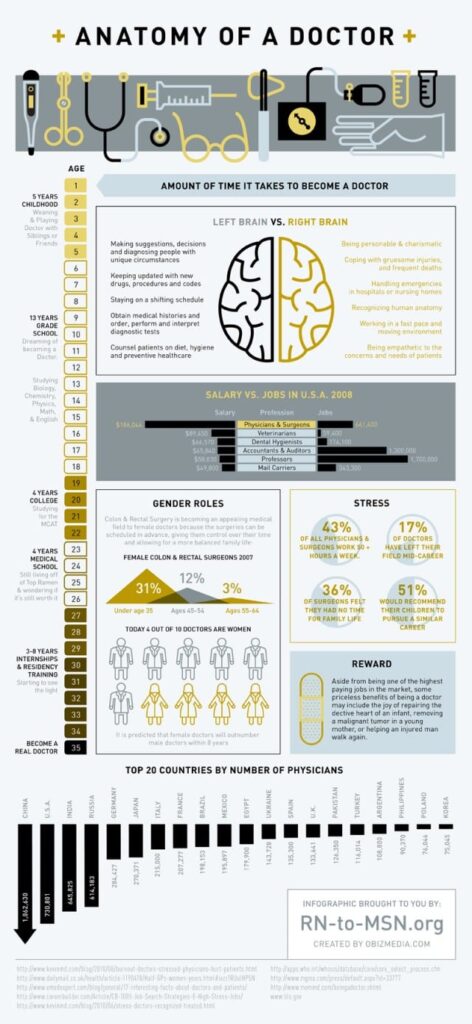
To become a doctor, an individual typically embarks on an arduous educational trajectory that spans a decade or more. Following an undergraduate degree, future physicians must complete four years of medical school, culminating in either an M.D. (Doctor of Medicine) or D.O. (Doctor of Osteopathic Medicine). After obtaining a graduate degree, the next phase, residency training, may last anywhere from three to seven years, depending on the chosen specialty. This extensive period of training encompasses not just medical knowledge, but also the development of essential clinical skills.
2. Diverse Specializations
The medical field encompasses an astounding array of specialties, allowing doctors to hone their skills in various domains. From cardiology to neurosurgery, and from family medicine to psychiatry, each specialization offers unique challenges and rewards. Furthermore, there are subspecialties within these areas, such as pediatric cardiology or geriatric psychiatry, expanding the scope of expertise even further. This diversity aids in addressing the multifactorial nature of health, contributing to comprehensive patient care.
3. Lifelike Simulations
In recent years, the medical community has harnessed the power of technology to enhance educational outcomes. Medical training now includes sophisticated simulations utilizing high-fidelity mannequins and virtual reality scenarios. These lifelike simulations allow aspiring doctors to practice procedures and decision-making in a risk-free environment, thus building confidence and proficiency before engaging with real patients.
4. The Time Commitment
A career in medicine is not for the faint-hearted. It often demands grueling hours that can range from 60 to over 80 hours per week, especially during residency. The so-called “first-year” physicians are infamously known as “interns” and are tasked with the daunting responsibility of patient care while managing fatigue and emotional strain. This level of commitment speaks to their dedication and the weight of their responsibilities.
5. The Role of Empathy
While medical knowledge is crucial, the role of empathy cannot be overstated. Doctors must often navigate the complexities of human emotions as they deliver difficult news or manage chronic conditions. Training programs increasingly incorporate behavioral sciences to better equip doctors with the tools to connect with their patients, ensuring that they not only treat illnesses but also understand the underlying psychological and social factors affecting health.
6. Burnout and Mental Health
Despite their rigorous training and apparent resilience, doctors are not immune to mental health issues. Studies indicate that a significant percentage of physicians experience burnout, anxiety, or depression. Factors contributing to this phenomenon include demanding work schedules, high expectations, and the emotional toll of patient care. Efforts are being made within the medical community to address mental health concerns and promote a balanced lifestyle among practitioners.
7. Innovations in Telemedicine
The advent of technology has brought about a revolution in healthcare delivery. Telemedicine has gained momentum, allowing physicians to consult with patients remotely. This innovation is not merely a convenience; it enhances accessibility for individuals in remote or underserved areas and offers a level of flexibility that benefits both doctors and patients. Telehealth has become indispensable, especially in light of recent global health crises.
8. Lifelong Learning
Medicine is a continually evolving field, making lifelong learning essential for every physician. The introduction of new therapies, updates to clinical guidelines, and breakthroughs in research require doctors to stay abreast of current developments. Professional organizations often mandate continuing medical education (CME) credits completed through courses, workshops, or conferences, thereby reinforcing the commitment to maintaining and updating their expertise.
9. Challenges of Medical Ethics
Ethical dilemmas permeate the field of medicine, forcing doctors to confront challenging decisions daily. Issues surrounding patient autonomy, confidentiality, and end-of-life care require that physicians balance their clinical knowledge with ethical principles. Navigating these complexities often calls for a deep understanding of medical ethics, which can be a source of distress but also fosters profound discussions within the medical community.
10. The Impact of Diversity
Diversity within the medical field has garnered increased attention, as various perspectives contribute to more effective patient care. A demographic shift is underway, with more women and individuals from varied ethnic backgrounds entering the profession. This increased representation enriches the medical narrative and allows for more culturally sensitive practices, ultimately improving health outcomes for diverse populations.
11. The Lifeline of Health Care
Doctors are often viewed as the cornerstone of health care systems, yet they cannot function in isolation. A successful medical practice relies on collaboration with a multitude of professionals, including nurses, pharmacists, and allied health workers. This collaborative approach fosters holistic care, highlighting that the delivery of health services is a collective endeavor rather than an individual pursuit.
12. Compassion in Motion
Finally, beyond charts and diagnoses, medical doctors are fundamentally caregivers. The dedication they exhibit in the face of adversity, whether treating a critically ill patient or advocating for public health, showcases resilience and compassion. Their commitment to service underscores a profound vocation shaped by a desire to alleviate suffering and promote well-being, making their journey both compelling and inspirational.
In conclusion, the life of a medical doctor is replete with challenges, growth, and the unwavering pursuit of knowledge. Through the lens of various experiences and insights, we can appreciate the broader narrative of their roles, while recognizing the dedication they exhibit in the name of health care. These observations not only humanize the profession but also enhance our reverence for those who dedicate their lives to the betterment of others.





Leave a Reply