
Short Answer
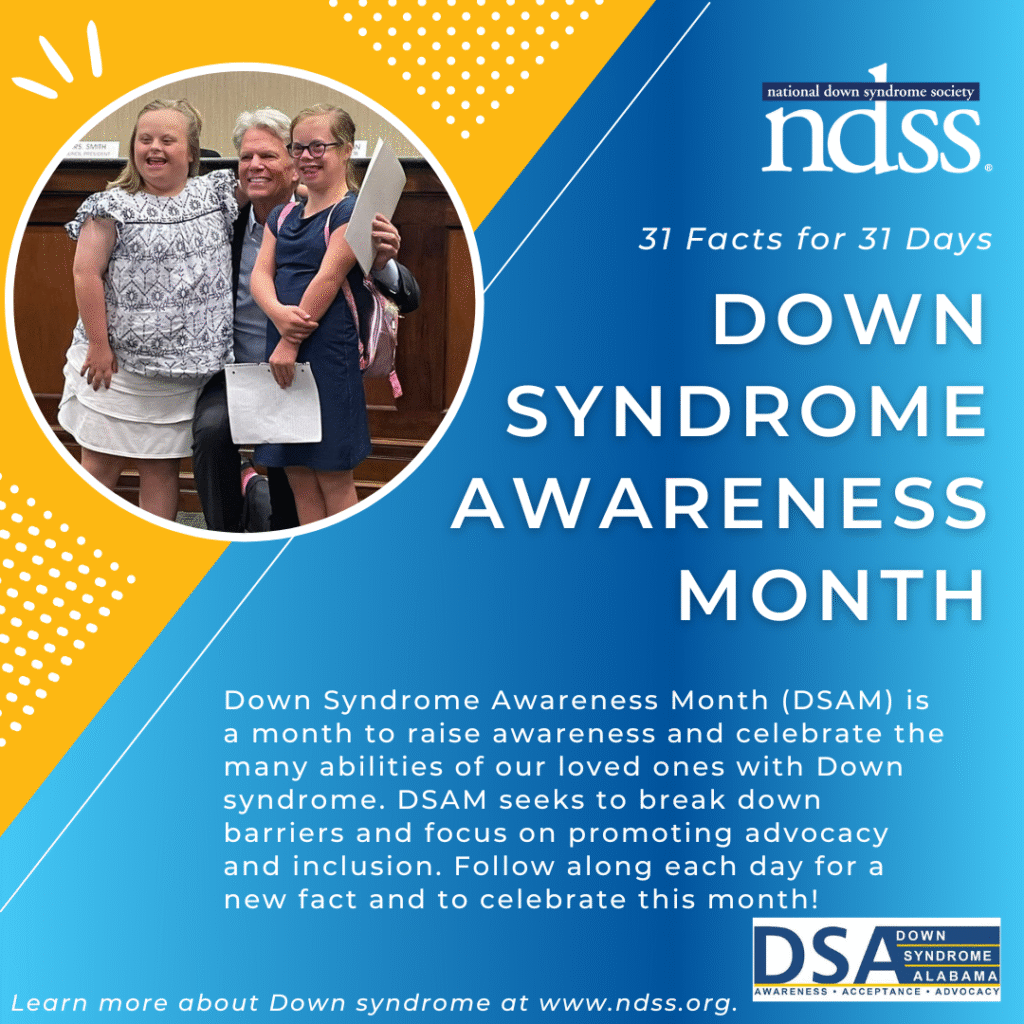
Down syndrome, a genetic condition resulting from the presence of an extra copy of chromosome 21, is characterized by an array of physical and intellectual traits. Beyond the medical definitions and diagnostic criteria, there lies a profound narrative woven by individuals with Down syndrome and their families. Here are some engaging facts that elucidate the multifaceted nature of Down syndrome, amplifying awareness, celebrating strength, and highlighting human dignity.
1. The Science Behind It All
Down syndrome, technically termed Trisomy 21, is the most prevalent chromosomal abnormality in humans. The genetic composition of an individual with Down syndrome includes an additional chromosome on the 21st pair, resulting in a total of 47 chromosomes instead of the standard 46. This chromosomal alteration manifests in various developmental delays and distinctive physical features, including a flat facial profile, upward-slanting eyes, and a single transverse palmar crease. Such traits, while unique, represent only one aspect of the individuality of those with the condition.
2. A Spectrum of Abilities
The cognitive profile of individuals with Down syndrome varies significantly. Intellectual disability may range from mild to moderate, yet one must emphasize that every person with Down syndrome possesses unique strengths, talents, and ambitions. Artistic expression, athletic prowess, and academic curiosity are common among those with this condition. Encouraging neurodiversity allows society to appreciate the varied cognitive landscapes residing within the Down syndrome community.
3. Breaking Down Stereotypes
Historically, misconceptions surrounding Down syndrome have perpetuated stigma and limited opportunities for individuals. However, advocacy groups have worked tirelessly to dismantle stereotypes. For example, many individuals with Down syndrome hold jobs, pursue higher education, and engage in advocacy initiatives themselves. These narratives evoke a paradigm shift towards viewing individuals as individuals, rather than simply as their diagnosis.
4. The Role of Early Intervention
The significance of early intervention cannot be overstated. Implementing therapeutic strategies such as speech therapy, physical therapy, and occupational therapy during the formative years has proven instrumental in optimizing developmental trajectories. Personalized interventions foster crucial skills, enhancing independence and enriching quality of life. Families are often educated about the importance of early engagement to maximize potential outcomes for their loved ones.
5. Celebrating Global Down Syndrome Awareness Day
March 21st marks World Down Syndrome Day, a global event dedicated to raising awareness about the condition. The date, 21/3, was deliberately chosen to signify the third copy of the 21st chromosome. Activities across the globe showcase the talents of individuals with Down syndrome, emphasizing inclusion and recognition within communities. Colorful socks often symbolize this celebration, representing the vibrant diversity inherent in all individuals.
6. Community and Belonging
Families of individuals with Down syndrome form resilient communities, offering mutual support, shared experiences, and resources. Advocacy organizations, local support groups, and online forums serve as safe havens where families exchange advice, share stories, and foster camaraderie. These connections enable the empowerment of families and individuals alike, creating a robust support network amidst life’s challenges.
7. Success in Sports and the Arts
Individuals with Down syndrome have made remarkable strides in both sports and the arts. Organizations such as Special Olympics provide platforms for athletes with intellectual disabilities to compete at local, national, and international levels. Additionally, creative avenues such as music, dance, and visual arts allow for unique expressions of the human experience. Notable figures, like artist Cristina Calderon and actor Chris Burke, have paved the way, demonstrating that dreams and passions are attainable regardless of genetic make-up.
8. Embracing Technology
Advancements in technology have also changed the landscape for individuals with Down syndrome. Assistive technologies, ranging from communication devices to educational apps, have expanded learning opportunities and enhanced independence. Telehealth services have emerged as a boon, enabling individuals and families to access medical consultations and therapy from the comfort of their homes, thus improving their overall quality of life.
9. The Message of Inclusion
Inclusion is a rallying cry for those advocating for the rights and dignity of individuals with Down syndrome. Efforts to integrate individuals into mainstream classrooms, workplaces, and community events have gained momentum. Such engagement not only enhances the lives of individuals with Down syndrome but also enriches the societal fabric by fostering acceptance and compassion. Exposure to diverse abilities cultivates empathy and understanding among peers.
10. Celebrating Humanity Above All
Ultimately, Down syndrome serves as a profound reminder of the beauty of the human experience. The strength, resilience, and joy often exhibited by individuals with Down syndrome challenge societal preconceptions. By promoting awareness, celebrating achievements, and advocating for rights, communities unlock the extraordinary potential that resides within everyone. Engaging with individuals who have Down syndrome allows one to appreciate the myriad ways love, kindness, and humanity intertwine across different lives.
In conclusion, the story of Down syndrome encompasses a rich tapestry of challenges, triumphs, and extraordinary human spirit. Each fact shared provides a glimpse into a world where awareness leads to understanding, strength fosters community, and humanity shines brightly. Embracing these narratives will inspire us to look beyond labels and recognize the incredible individuals that dwell within. Yes, they have Down syndrome, but more importantly, they are a vibrant part of our human tapestry.
FAQ
What is Down syndrome?
Down syndrome is a genetic condition caused by the presence of an extra copy of chromosome 21, resulting in various physical and intellectual traits.
When is World Down Syndrome Day celebrated?
World Down Syndrome Day is celebrated on March 21st each year, symbolizing the third copy of the 21st chromosome.
What are some common misconceptions about Down syndrome?
Many misconceptions include the belief that individuals with Down syndrome cannot achieve educational or professional success, which is often untrue.






Leave a Reply