
Short Answer
The Dead Sea, often referred to as the saltiest body of water on our planet, presents a unique blend of natural marvels and scientific intrigue. What if you could float effortlessly, with your limbs splayed wide, while reading a book? This fascinating phenomenon invites a delightful challenge: can you imagine lounging on the water’s surface while keeping your head peeking above like a buoyant cork? Let’s explore intriguing facts about the Dead Sea’s salt science and its natural miracles!
1. The Salinity Spectrum
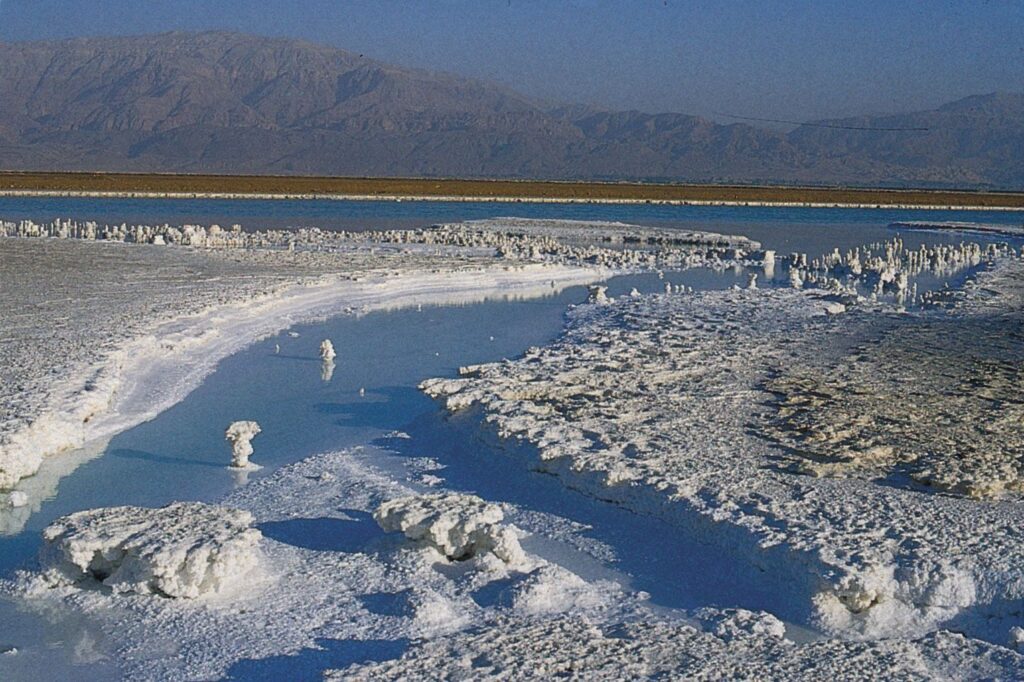
The Dead Sea is renowned for its unparalleled salinity levels, which hover around 30%. For comparison, the average oceanic salinity ranges from 3.5% to 3.7%. This drastic difference creates a hostile environment for most aquatic life, giving the sea its name. Salt concentrations become a natural barrier, therefore, only microbes and a few salt-loving organisms can thrive here. Moreover, the high salinity, while making swimming a unique experience, can lead to an intriguing question: how does it feel to swim in a body of water that is denser than your own body?
2. The Mineral-Rich Composition
Beyond its saltiness, the Dead Sea boasts a myriad of minerals, including magnesium, potassium, and calcium. These minerals are not only essential for human health but have also made the Dead Sea a coveted destination for wellness and spa treatments. The therapeutic properties attributed to these salts have been used since ancient times to alleviate skin conditions and promote relaxation. Have you ever pondered why these minerals are synonymous with rejuvenation?
3. Unique Floating Phenomenon
Due to its extraordinary salinity, the Dead Sea allows individuals to float effortlessly on its surface. This peculiar characteristic can challenge one’s preconceived notions about buoyancy. The denser the liquid, the easier it is to float. Researchers often liken it to floating in molasses, yet this experience is far more elegant. For the curious, embarking on a journey to float with ease in the Dead Sea can be both a liberating and bewildering encounter.
4. The Sinking Land
As you bask under the sun, it’s sobering to know that the Dead Sea is shrinking at an alarming rate—approximately 3 feet every year. This phenomenon is largely attributed to water diversion from the Jordan River, its primary tributary, and mineral extraction operations. This drastic reduction of water height raises an urgent question regarding environmental conservation: what measures can we take to reverse this alarming trend?
5. Historical Significance
The Dead Sea has been a focal point for human civilization for millennia. From the time of Herod the Great, who built palaces and spa resorts along its shores, to the discovery of the Dead Sea Scrolls in the nearby caves of Qumran, its historical importance cannot be overstated. These documents hold vital insights into ancient religious practices and the early Jewish community. It begs contemplation: what stories lay hidden within the sediment of this ancient body of water?
6. Natural Phenomena: Sinkholes
As the water level decreases, one might not expect sinkholes to emerge as a significant consequence. Yet, these geological formations, resulting from the erosion of underground salt layers, have become increasingly common along the shoreline. Sinkholes can appear suddenly, creating new hazards but also enrich the geological landscape. Have you ever encountered a sinkhole, and what tales do they tell of our planet’s relentless metamorphosis?
7. An Ecosystem of Contrasts
The stark contrast in biodiversity between the Dead Sea’s environment and surrounding areas exemplifies nature’s complexity. While the water itself supports minimal life, the nearby landscapes are rich with flora and fauna adapted to arid conditions. This juxtaposition poses a compelling inquiry: how does an ecosystem thrive in such proximity to an inhospitable body of water?
8. Climate and Weather Patterns
Characterized by an arid climate, the area surrounding the Dead Sea experiences hot summers and mild winters. The high evaporation rates contribute to the mineral concentration, further enhancing the salinity of the water. The combination of geographical location and climate engenders an extraordinarily unique microclimate, which is worth exploring. Could you thrive in such conditions, and what adaptations would you make?
9. Curative Properties of Mud
The mineral-rich mud of the Dead Sea has become a coveted ingredient in beauty treatments around the globe. People flock to its shores not only to float but to cover themselves in this therapeutic mud, reputed for its dermatological benefits. Packed with nutrients, it can purportedly alleviate joint pain and improve skin hydration. It compels one to wonder: what secrets of healing lie dormant within the earth’s crust?
10. Cultural Resonance
Finally, the significance of the Dead Sea extends beyond its physical attributes. It has seeped into various cultural narratives, featuring prominently in religious texts and folklore. Its resilient nature in the face of climate change reflects broader themes of endurance in the human narrative and environmental conservation. Reflect on this: how does the Dead Sea embody the spirit of resilience, and what can we learn from its trials?
In conclusion, the Dead Sea serves as a living testament to the interplay of salt science and natural miracles. Its unique composition, buoyant waters, and rich history enhance our understanding of this remarkable body of water. As we ponder the myriad of questions and challenges posed by its existence, the Dead Sea continues to unfold its story, inviting exploration, respect, and an urgent commitment to preservation.
FAQ
Why is the Dead Sea so salty?
The Dead Sea’s extreme salinity—around 30%—is due to high evaporation rates and mineral inflow from surrounding areas.
What are the health benefits of the Dead Sea minerals?
The minerals found in the Dead Sea, such as magnesium and potassium, are believed to have therapeutic properties that can benefit skin conditions and promote relaxation.
How does one float in the Dead Sea?
The high salinity of the Dead Sea increases water density, allowing people to float effortlessly on its surface.
What causes the Dead Sea to shrink?
The Dead Sea is shrinking due to water diversion from the Jordan River and mineral extraction activities.






Leave a Reply