
Short Answer
Juvenile crime is a perplexing issue that encompasses a myriad of factors and consequences. It is essential to delve into this topic to gain a multifaceted understanding of the circumstances surrounding young offenders and the judicial responses they encounter. Here are some fundamental facts about juvenile crime and punishment that everyone should know.
1. Definition of Juvenile Crime
Juvenile crime refers to illegal acts committed by individuals typically under the age of 18. These offenses range from minor infractions, such as truancy and vandalism, to serious crimes like robbery and homicide. The distinction between juvenile and adult crime is crucial, often influencing both the legal proceedings and the types of rehabilitation available.
2. Prevalence of Juvenile Crime
Statistics reveal that juvenile crime rates have fluctuated over the decades. In recent years, there has been a notable decline in overall juvenile crime, particularly violent offenses. However, certain types of crime, such as cyberbullying and drug-related offenses, have surged, reflecting shifts in societal behavior and technology’s influence.
3. Factors Influencing Juvenile Crime
The etiology of juvenile crime is complex and multifactorial. Several salient factors contribute to youth criminal behavior, including socio-economic status, familial dynamics, peer influence, mental health issues, and exposure to violence. Understanding these underlying causes is vital for implementing effective prevention strategies.
4. The Role of the Family
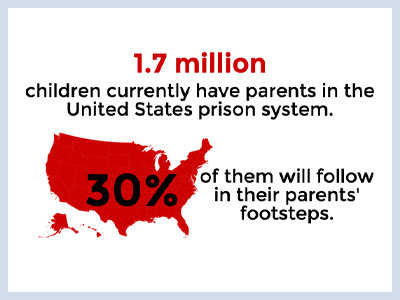
Familial environment plays a crucial role in shaping the behavior of adolescents. Research indicates that children raised in unstable or abusive households are at a heightened risk for engaging in delinquent behavior. Conversely, supportive family structures promote resilience and can mitigate the risk of juvenile crime.
5. Legal Framework Surrounding Juveniles
The juvenile justice system operates under different principles than the adult criminal justice system. Its focus is primarily on rehabilitation rather than punishment. This approach recognizes the potential for change and aims to provide young offenders with the guidance necessary to redirect their lives.
6. Juvenile Courts
Juvenile courts handle cases involving young offenders. The proceedings are generally less formal than adult courts and emphasize confidentiality. Additionally, judges have significant discretion in determining outcomes, allowing for tailored responses that consider the unique circumstances of each case.
7. Types of Punishment
Sentencing options for juvenile offenders vary widely. They may include community service, probation, rehabilitation programs, or, in more severe cases, detention in a juvenile facility. Recent trends have leaned towards restorative justice approaches, which focus on making amends rather than solely punishing the offender.
8. Recidivism Rates
Recidivism, or the tendency for a convicted individual to reoffend, is a significant concern in juvenile crime. Studies reveal that many young offenders return to criminal activity post-release. Effective rehabilitation programs and support systems are essential to reducing these rates and promoting long-term, positive behavioral changes.
9. The Impact of Juvenile Convictions
A juvenile conviction can have profound implications on various facets of a young person’s life. It may hinder educational opportunities, affect employment prospects, and strain familial relationships. The stigma associated with being labeled a criminal can exacerbate feelings of isolation and despair.
10. The Importance of Education and Employment
Engaging young offenders in education and employment opportunities post-conviction is critical. Programs that facilitate access to schools and job training not only empower individuals but also serve as protective factors against future criminal behavior. Fostering skills and boosting self-esteem can significantly alter a young person’s trajectory.
11. Mental Health Considerations
Mental health issues are prevalent among juvenile offenders. Studies suggest that a substantial percentage of incarcerated youth suffer from emotional and psychological disorders. Addressing these mental health challenges through appropriate treatment and counseling can be pivotal in reducing recidivism and encouraging successful reintegration into society.
12. Community Involvement
Community participation is critical in protecting youth from the perils of crime. Creating supportive environments that facilitate youth development—through mentorship programs, extracurricular activities, and safe spaces—can deter engagement in delinquent acts. When communities take an active role, they help cultivate healthier social norms.
13. Societal Perceptions of Juvenile Offenders
Public perceptions of juvenile offenders can be tainted by fear and stigma, often leading to a punitive viewpoint. Understanding that many youths are products of their environment can shift these perceptions. Advocating for compassionate responses—acknowledging their potential for change—could lead to more effective rehabilitation strategies.
14. Future Trends in Juvenile Justice
The landscape of juvenile justice is evolving. With increasing recognition of the importance of mental health and the efficacy of restorative practices, future policies may prioritize holistic approaches to juvenile crime. Innovations in technology and data collection could aid in developing strategies tailored to individual needs, further contributing to a reduction in offense rates.
15. Conclusion
Understanding juvenile crime and punishment requires a nuanced perspective that considers myriad influences and outcomes. Acknowledging the complexities of this issue not only enhances societal empathy but also informs effective intervention strategies. By fostering a supportive approach, society can collaborate to transform the lives of young offenders, steering them away from crime and toward a promising future.
FAQ
What is juvenile crime?
Juvenile crime refers to illegal acts committed by individuals typically under the age of 18, ranging from minor infractions to serious offenses.
What factors contribute to juvenile crime?
Factors include socio-economic status, familial dynamics, peer influence, mental health issues, and exposure to violence.
What is the focus of the juvenile justice system?
The juvenile justice system focuses on rehabilitation rather than punishment, aiming to guide young offenders towards positive change.
What are common types of punishment for juvenile offenders?
Punishments can include community service, probation, rehabilitation programs, or detention in a juvenile facility.


Leave a Reply