
Short Answer
Weather is an omnipresent phenomenon, influencing daily life in myriad ways, from the simplest decisions about an outfit to larger considerations regarding travel and agriculture. The intricate dance of atmospheric elements provides both comforting sunshine and terrifying storms. Understanding the mechanics behind these phenomena reveals not only their complexity but also enhances our fascination with nature’s unpredictability.
1. The Intricacies of Storm Formation
Storms arise from specific atmospheric conditions and present a compelling subject of study. Thunderstorms occur when warm, moist air rises and cools, leading to condensation and the formation of cumulonimbus clouds. While commonly associated with rainfall, these storms can also unleash hail, tornadoes, and severe winds. Notably, supercells—intense thunderstorms—are characterized by their deep rotating updrafts, producing some of the most destructive tornadoes recorded. The complexities of storm dynamics are a reminder of the powerful forces at play within our atmosphere.
2. The Power of Lightning
Lightning, a dramatic manifestation of electrical discharge, can warm the air around it to a staggering 30,000 degrees Fahrenheit in mere milliseconds. This incredible heat causes the surrounding air to expand rapidly, creating a sonic shockwave recognized as thunder. Lightning strikes can be both beautiful and deadly; approximately 24,000 people worldwide are killed by lightning each year. From a scientific perspective, the mechanisms behind lightning—particularly the step leader and return stroke—illustrate the intricate interplay between atmospheric electricity and moisture.
3. The Mystery of Tornadoes
Tornadoes exemplify nature’s fury, with winds that can exceed 300 miles per hour. These funnel-shaped clouds are born from severe thunderstorms, particularly supercells, when wind shear and atmospheric instability collide. The Enhanced Fujita Scale rates tornadoes based on the damage inflicted, providing insight into their intensity. Remarkably, the conditions required for tornado formation are rare, yet when they do occur, they can devastate entire communities in minutes, demonstrating the unrelenting power of weather.
4. The Enigma of the Eye of a Hurricane
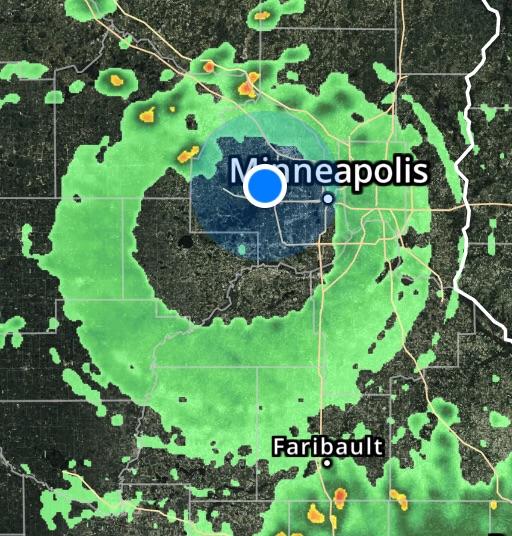
The eye of a hurricane represents a paradox: a calm, clear region amid the chaos of swirling winds and torrential rain. This phenomenon forms due to the intense low pressure at the center of the storm, causing air to descend and create a relative calm. Surrounding the eye, the eyewall is typically the most dangerous part of a hurricane, with the strongest winds and heaviest rainfall. The stark contrast between the chaotic swirling clouds and the serene blue sky of the eye serves to underscore the dual nature of weather systems.
5. Unpredictable Weather Patterns: El Niño and La Niña
El Niño and La Niña are climate phenomena that have profound impacts on global weather patterns. El Niño occurs when warmer-than-average ocean surface temperatures in the central and eastern Pacific Ocean influence atmospheric circulation. This results in disrupted weather patterns, including increased rainfall in some regions and drought in others. La Niña, the cool counterpart, can often reverse these effects, leading to drier conditions in the Americas but wetter ones in Australia and Southeast Asia. The intricate balance of these events highlights the interconnectedness of global climate systems.
6. The Fascination of Snowflakes
Snowflakes are a captivating weather phenomenon, each uniquely formed through a complex process of crystallization. When water vapor condenses in the atmosphere, it forms ice crystals that expand and intricately branch out, resulting in an astonishing variety of designs. The oft-repeated phrase that “no two snowflakes are alike” encapsulates the beauty of this winter weather artifact, driven by the ambient temperature, humidity levels, and atmospheric pressure conditions during their formation. The science of snowflake development has intrigued meteorologists and artists alike, bridging the gap between art and science.
7. The Importance of Weather Satellites
Weather satellites have revolutionized meteorology, allowing for comprehensive observations of the Earth’s atmosphere. These advanced instruments monitor cloud formations, track storms, and measure temperature variations across vast distances. The information gathered assists meteorologists in predicting severe weather events, providing crucial data that save lives and mitigate damage. Enhanced satellite technology continues to improve the precision of forecasts, fostering a deeper understanding of atmospheric phenomena and their implications for daily life.
8. The Quirkiness of Microclimates
Microclimates can manifest small yet significant differences in weather across close geographical areas. These localized variations arise from factors like topography, vegetation, and human activity. Urban heat islands, for instance, create warmer temperatures in city centers compared to surrounding rural areas due to concrete absorption of heat. Such phenomena illustrate the complexity of climate science, showcasing how human influence can reshape weather patterns at a micro scale.
9. The Regal Rainbow
The rainbow is a well-known weather phenomenon that symbolizes beauty after a storm. Formed through the refraction, dispersion, and reflection of sunlight within water droplets, rainbows often appear as arcs in the sky, characterized by their vibrant spectrum of colors. The science behind rainbows involves angles of light entering and exiting raindrops, highlighting the mathematical elegance of nature. Rainbows not only captivate the human imagination but also serve as a reminder of the interplay between sunshine and rain.
10. The Phenomenon of Scaith Cloud
Scaith cloud, less commonly known, is a fascinating occurrence that arises as a result of temperature inversions, whereby warmer air traps cooler air at the surface. This phenomenon can lead to dramatic fog formations and reduced visibility. It exemplifies how seemingly mundane conditions can yield extraordinary visual and operational challenges. Understanding such phenomena is crucial for aviation, transportation, and even daily commuting during foggy conditions.
Weather encompasses a multitude of fascinating elements that serve to intrigue scientists and casual observers alike. From the formation of storms to peculiar phenomena like the rainbow, these manifestations of atmospheric activity remind us of nature’s complexity and beauty. Each weather event carries deeper implications and enriches our appreciation for the world around us.
FAQ
What is the eye of a hurricane?
The eye of a hurricane is a calm area at the center of the storm, surrounded by the eyewall where the strongest winds occur.
Why are no two snowflakes alike?
No two snowflakes are alike due to the varying atmospheric conditions during their formation, which lead to unique crystalline structures.




Leave a Reply