
Short Answer
Gold has always captured the imagination of humanity. This lustrous metal, characterized by its distinctively brilliant sheen and malleability, has transcended mere aesthetics to play a pivotal role in socio-economic structures throughout history. Below are some remarkable facts about gold that collectively illustrate why this element has maintained its allure across civilizations and epochs.
1. A Unique Element with Timeless Appeal
Gold is not just another metal; it is a noble metal that does not corrode or tarnish. This inherent resistance to oxidation means that artifacts made of gold can endure for millennia, preserving their pristine condition. The Egyptian tombs, which contained gold relics, are testament to this longevity. The unchanged beauty of gold items excavated from ancient graves continues to fascinate archaeologists and historians alike, revealing glimpses into cultures long gone.
2. Gold and Currency: A Foundation for Economies
Historically, gold functioned as a medium of exchange and a measure of wealth. The concept of a gold standard emerged in the 19th century, where currencies were directly linked to specific quantities of gold. This not only facilitated international trade but also instilled a sense of stability in economies. Even as fiat money has taken precedence today, the historical significance of gold in establishing economic systems remains profound. Its enduring value underscores a societal need for tangible assets in an often abstract financial world.
3. The Alchemical Pursuit
The quest to transmute base metals into gold has consumed alchemists for centuries. This age-old obsession reflects more than just financial greed; it speaks to the intrinsic human desire to unlock the secrets of nature. The allure of gold was so powerful that it stirred the imaginations of notable figures, from ancient Greeks to medieval scholars, all seeking to obfuscate the line between science and mysticism. While alchemy ultimately proved futile in its goals, it laid foundational concepts for modern chemistry.
4. Cultural Symbolism: Gold Across Civilizations
Throughout history, gold has held profound cultural significance. In Ancient Egypt, it symbolized the divine and earthly immortality associated with the gods. The Incas viewed gold as the “sweat of the sun,” imbuing it with cosmological significance. In many cultures, gold adorned the crowns of kings and the altars of temples, signifying power and spiritual connection. Even today, gold remains a favored choice for wedding bands, symbolizing love and commitment, further entrenching its importance in human relationships.
5. The Role of Gold in Art and Decoration
Gold has been a popular medium in the art world, utilized to create intricate jewelry, lavish decorations, and timeless paintings. The use of gold leaf in art has been a practice for centuries, offering both aesthetic appeal and a symbolic representation of prosperity and divinity. Masterpieces adorned with gold—like Gustav Klimt’s “The Kiss”—breathe life into the notion that gold is more than just a metal; it is an embodiment of grandeur and creativity.
6. The Scientific Pursuit of Gold
Gold’s unique properties have made it a subject of study in various scientific fields. For instance, due to its excellent conductivity, gold is integral in electronics, particularly in devices that require high reliability, such as satellites and spacecraft. Nanotechnology has also leveraged gold, particularly in medical applications, such as targeted drug delivery systems. Such innovative uses underscore the material’s continued relevance in contemporary science and technology, often in ways that are not immediately apparent.
7. Environmental and Ethical Concerns
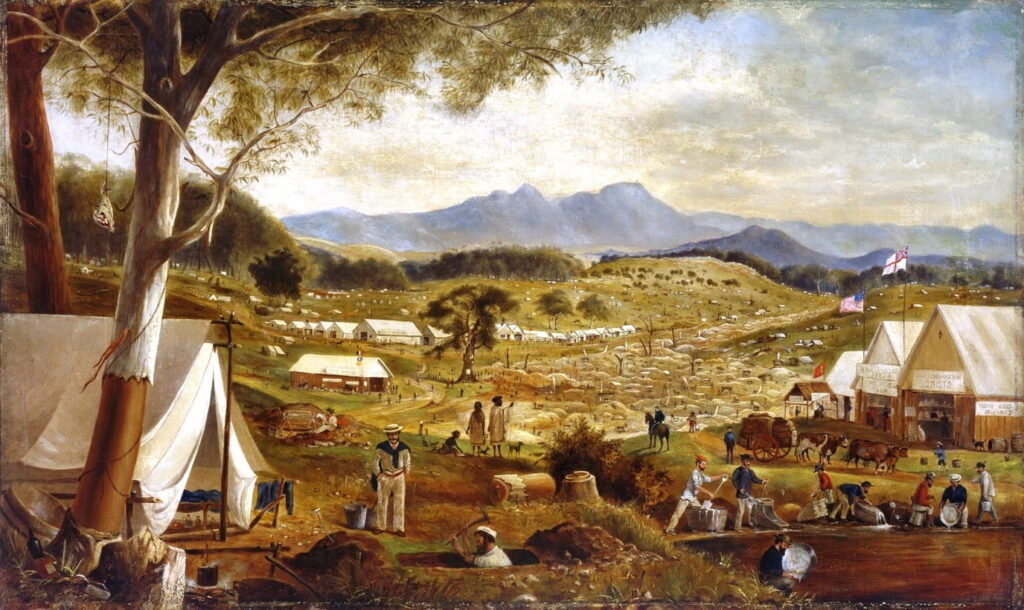
Despite its grandeur, gold mining has significant ethical and environmental ramifications. The extraction process often leads to irreversible ecological damage and poses health risks to local communities. Issues such as illegal mining, labor exploitation, and the pursuit of “blood gold” raise moral questions about the true cost of this coveted metal. As awareness grows, the call for sustainable practices in gold mining is becoming increasingly urgent, challenging the industry to reconcile its rich history with better stewardship of the earth.
8. Gold in Modern Investment
In the contemporary financial landscape, gold continues to be a robust investment vehicle, often considered a “safe haven” during times of economic uncertainty. Investors from various backgrounds track gold prices, recognizing its capacity for retaining value even amidst market volatility. The fact that central banks around the world hold substantial gold reserves reinforces its status as a reliable asset. Gold has transcended its physical form; it has become a symbol of financial security in an unpredictable world.
9. The Unique Atomic Structure of Gold
Gold’s atomic structure contributes to its distinct color and properties. Comprising 79 protons, the metal’s electron configuration allows it to absorb blue light, giving it that characteristic yellow hue. This atomic quality not only influences its appearance but also its interaction with other materials. The lustrous quality of gold makes it visually appealing, contributing to its desirability in jewelry and ornaments.
10. Gold in the Future: Innovations and Trens
As society evolves, so does the use of gold. Emerging technologies, such as cryptocurrency expected to utilize gold-backed tokens, may reshape how we perceive and interact with this ancient metal. Additionally, as biocompatibility in medical technology advances, gold’s role may expand further. Retaining its significance, gold is poised to adapt in an increasingly complex world, continuing to inspire awe and intrigue.
In summary, the fascinating history and multifaceted relevance of gold encapsulate our obsession with this remarkable metal. It has shaped economies, inspired art, and engaged the scientific community while also reflecting the cultural and ethical challenges we face today. The marvels of gold lie not merely in its price or its physical properties, but in its enduring capacity to symbolize and influence the fabric of human civilization.
FAQ
What is gold's historical significance?
Gold has been used as currency and a measure of wealth throughout history, playing a foundational role in economies.
Why is gold considered a safe investment?
Gold is seen as a ‘safe haven’ during economic uncertainty, retaining value even amidst market volatility.
What are the environmental concerns related to gold mining?
Gold mining can cause significant ecological damage, health risks, and ethical issues related to labor exploitation.





Leave a Reply