
Short Answer
Snapping turtles, belonging to the family Chelydridae, are among the most fascinating and resilient reptiles inhabiting North America. Covered in a robust shell and possessing an impressive set of instincts, they are often misunderstood due to their formidable appearance and tenacious behavior. Let’s delve into ten captivating facts about snapping turtles that will undoubtedly shift your perception of these ancient creatures.
1. Ancient Lineage
Snapping turtles are iconic representatives of the ancient lineage of reptiles that have been roaming the Earth for approximately 200 million years. This evolutionary background places them among the oldest living species, offering a glimpse into the distant past of our planet’s biodiversity. With their primitive characteristic features, snapping turtles have retained many of the traits of their forebears, showcasing the resilience of successful survival strategies.
2. Master of Camouflage
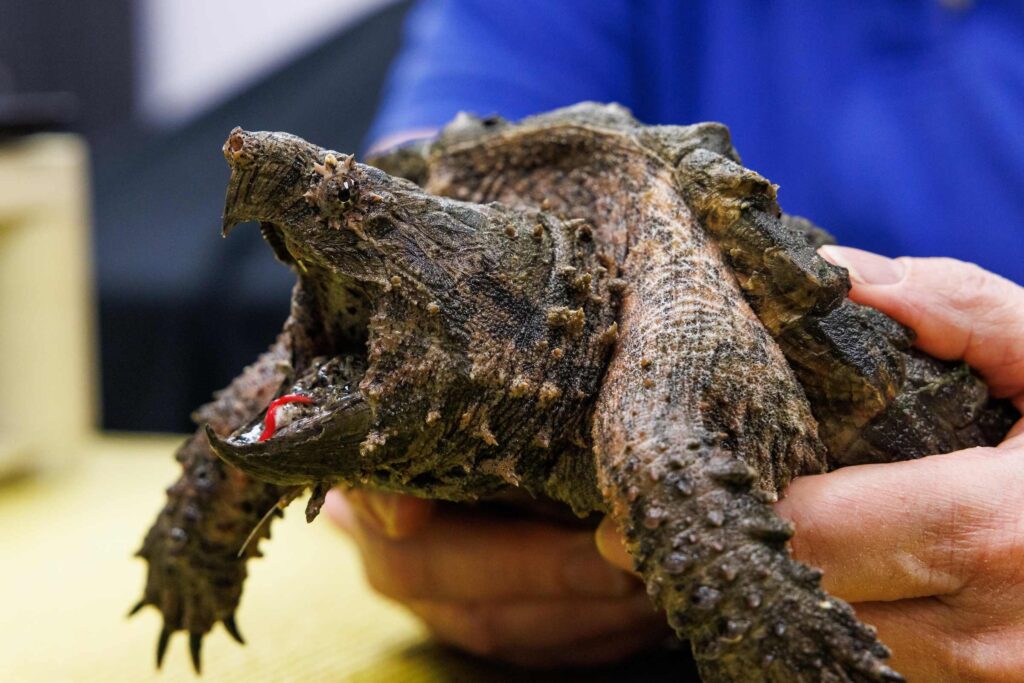
These reptiles possess an exceptional ability to blend into their surroundings. The rugged, algae-covered shell enables them to remain virtually invisible while lying motionless in the water or among riverbanks. This unparalleled adaptation not only aids in evading potential predators but also makes them excellent ambush hunters as they wait patiently for unsuspecting prey.
3. A Geographic Diva
Snapping turtles are widely distributed across North America, ranging from southern Canada to northern Mexico. They prefer habitats such as freshwater lakes, rivers, swamps, and marshes, where they can thrive in both aquatic and terrestrial environments. This geographic diversity allows them to exploit a variety of food sources, making them highly adaptable and thriving in various ecosystems.
4. Imposing Size and Strength
Adult snapping turtles can weigh anywhere between 10 to 80 pounds, with some individuals even surpassing 100 pounds. Their large, serrated jaws can exert a formidable bite force, capable of inflicting serious injuries. This impressive physical strength effectively positions them at the top of their food chain, often earning them the title of apex predators in their habitat.
5. Carnivorous Diet
Often referred to as opportunistic omnivores, snapping turtles possess a primarily carnivorous diet. They consume fish, amphibians, insects, and aquatic plants. Their hunting strategy typically involves stealth and patience, as they can remain submerged with only their nostrils protruding above water, waiting for the perfect moment to capture their prey. This method showcases their predatory prowess and refined hunting instincts.
6. Remarkable Longevity
Snapping turtles are known for their extensive lifespan, often living up to 30 to 40 years in the wild, with some instances of individuals exceeding 100 years in captivity. This longevity is attributed to their slow metabolism and low reproductive rate, leading to a stable population dynamic, albeit a vulnerable one. Recognizing the extraordinary lifespan of snapping turtles adds to the intrigue surrounding these remarkable reptiles.
7. Unique Reproductive Behaviors
Breeding typically occurs in late spring or early summer, and female snapping turtles exhibit distinctive nesting behaviors. They excavate a burrow in sandy or loose soil to lay between 20 to 50 eggs. The sex of the hatchlings is determined by the temperature of the nest, a phenomenon known as temperature-dependent sex determination. Warmer nests tend to produce more females, while cooler temperatures result in a predominance of males, a fascinating aspect of their reproductive strategy.
8. Defensive Mechanisms
When threatened, snapping turtles exhibit a range of defensive behaviors that reflect their tough nature. They can snap their jaws ferociously if approached, showcasing their powerful bite as a deterrent. Additionally, their sturdy carapace offers substantial protection against predators. This aggressive behavior is often misunderstood as hostility, yet it is merely a survival instinct in action.
9. Ecosystem Engineers
Snapping turtles play a pivotal role in their ecosystems as both predators and prey. Their feeding habits help to regulate fish populations and contribute to the overall health of aquatic ecosystems. Moreover, they serve as a food source for larger predators, including birds of prey and mammals, thereby maintaining the delicate balance of their habitats. Their ecological significance reinforces their necessity in the intricate web of life.
10. Cultural Significance
Throughout history, snapping turtles have held cultural significance in various societies, often symbolizing resilience and endurance. Indigenous tribes have revered them, incorporating them into folklore, traditions, and even cuisine. Recognizing the cultural impact of snapping turtles adds another layer to understanding their existence, creating a rich narrative that intertwines humans with the natural world.
In conclusion, snapping turtles embody the essence of nature’s toughness, displaying remarkable adaptations, behaviors, and ecological roles. Their ancient lineage, impressive physical attributes, and unique reproductive strategies not only pique curiosity but also encourage a deeper appreciation for the complexities of our natural world. Transforming perceptions of these formidable reptiles invites curiosity and respect, compelling us to ponder the broader implications of biodiversity and conservation amidst changing environmental landscapes.





Leave a Reply