
Short Answer
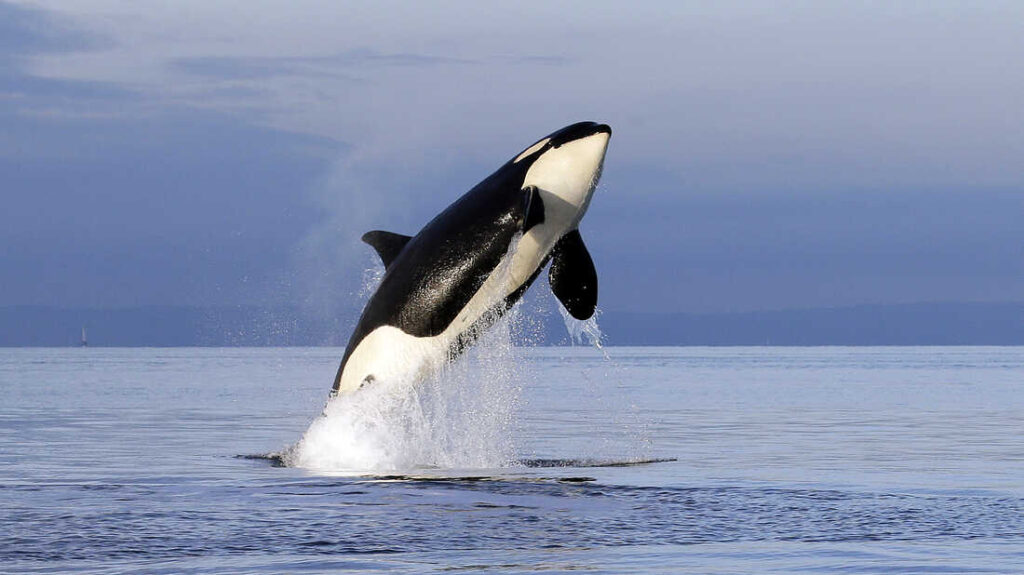
Orcas, scientifically known as Orcinus orca, are the largest members of the dolphin family and are often regarded as the ocean’s top predators. Their intelligence, social structures, and diverse hunting techniques make them a subject of fascination for marine biologists and enthusiasts alike. Below are ten remarkable facts that illuminate the unique characteristics of these majestic creatures.
1. Complex Social Structures
Orcas are known for their intricate social dynamics, which often resemble those of human societies. They live in family groups called pods, comprised of matrilineal lines where a mother and her offspring remain together for life. These pods can include anywhere from 2 to over 40 individuals and can feature different age groups, highlighting the importance of familial bonds and collective learning within orca communities.
2. Diverse Diets and Hunting Techniques
Orcas are carnivorous and their diet varies widely depending on their pod’s location. Some pods specialize in hunting fish, while others target marine mammals like seals and even whales. This dietary flexibility showcases their adaptability. Their sophisticated hunting techniques, such as coordinated group attacks and echolocation, demonstrate their high level of intelligence and communication skills.
3. Acoustic Communication
Orcas are renowned for their vocalizations, producing a range of clicks, whistles, and pulsed calls. These sounds serve various purposes, from navigation to socializing, and are crucial for hunting in murky waters. Interestingly, different pods have distinct dialects, which can be likened to regional accents in humans. This aspect of their behavior emphasizes the importance of communication in their social structure.
4. High Intelligence and Problem-Solving Skills
Often regarded as one of the most intelligent marine mammals, orcas exhibit remarkable problem-solving abilities. They can engage in complex play and have been observed using tools, such as marine sponges, to protect their rostrums while hunting along the ocean floor. Their cognitive skills extend to teaching their young, thus ensuring the transmission of knowledge across generations.
5. Unique Hunting Strategies
The hunting techniques employed by orcas are fascinatingly varied. One notable method is called “wave washing,” where pods work in unison to create waves that wash seals from floating ice. Another technique, known as “carousel feeding,” involves herding fish into tight balls, allowing for easier predation. These strategies highlight not only their physical prowess but also their cooperative behavior.
6. Global Distribution
Orcas inhabit every ocean on the planet, from the Arctic and Antarctic regions to temperate and tropical waters. Their wide distribution is a testament to their adaptability and resilience. Different ecotypes have evolved in various locations, each suited to specific environmental conditions and prey availability, which contributes to their overall biodiversity.
7. Lifespan and Reproductive Behavior
Orcas have a remarkable lifespan; females can live up to 90 years, while males typically live around 50-60 years. Their reproductive behaviors are equally fascinating. Females usually give birth to a single calf every three to five years, with a gestation period of about 17 months. The young are nursed for up to two years, emphasizing the nurturing aspect of orca family structures.
8. Threats and Conservation Status
Despite being apex predators, orcas face several threats due to human activities. Pollution, habitat degradation, and depletion of their prey species lead to declining populations in certain areas. Combined with the impacts of climate change, orca conservation has become increasingly crucial. Various organizations are working towards safeguarding their habitats and ensuring the health of marine ecosystems.
9. Cultural Significance
Orcas hold a significant place in the cultural narratives of many indigenous Pacific Northwest communities, symbolizing strength and intelligence. These mammals have featured prominently in art, folklore, and spiritual teachings. Their cultural representation underscores the deep connection between human societies and the natural world. Additionally, orca encounters are popular in ecotourism, raising awareness and support for marine conservation efforts.
10. Ongoing Research and Fascination
Ongoing studies continue to uncover the mysteries of orca behavior, ranging from their hunting practices to their emotional intelligence. Researchers equip these animals with tracking devices to monitor their movements and social interactions. The insights gained from such research not only enhance our understanding of orcas but also contribute to broader marine conservation initiatives.
In summary, orcas are a remarkable species with complex social structures, diverse diets, and incredible adaptability. Their intelligence and communication skills set them apart in the marine world, while their cultural significance adds another layer to their allure. Preserving these apex predators is not only vital for marine ecosystems but also enriches human understanding of life beneath the waves.
FAQ
What are orcas known for?
Orcas, or killer whales, are known for their complex social structures, intelligence, and varied hunting techniques.
How do orcas communicate?
Orcas communicate using a variety of vocalizations, including clicks, whistles, and pulsed calls, with distinct dialects among different pods.





Leave a Reply