
Short Answer
Turkeys are often seen as mere symbols of Thanksgiving feasts, but these remarkable birds possess an array of exceptional characteristics that warrant a closer examination. With their endearing quirks and intriguing social behaviors, turkeys reveal much about avian life and offer a myriad of surprising facts that challenge common perceptions. This article delves into the fascinating world of turkeys, exploring their biology, behavior, and unique personalities.
1. A Rich and Colorful Heritage
Despite their association with holiday dinners, turkeys boast a lineage that dates back over 10 million years. Native to North America, wild turkeys are believed to have been among the first birds to be domesticated, with evidence of domestication reaching back to ancient civilizations such as the Aztecs and the Incas. This colorful history highlights not only their longevity but also the important role they have played in human culture and agriculture.
2. Size Matters: The Anatomy of a Turkey
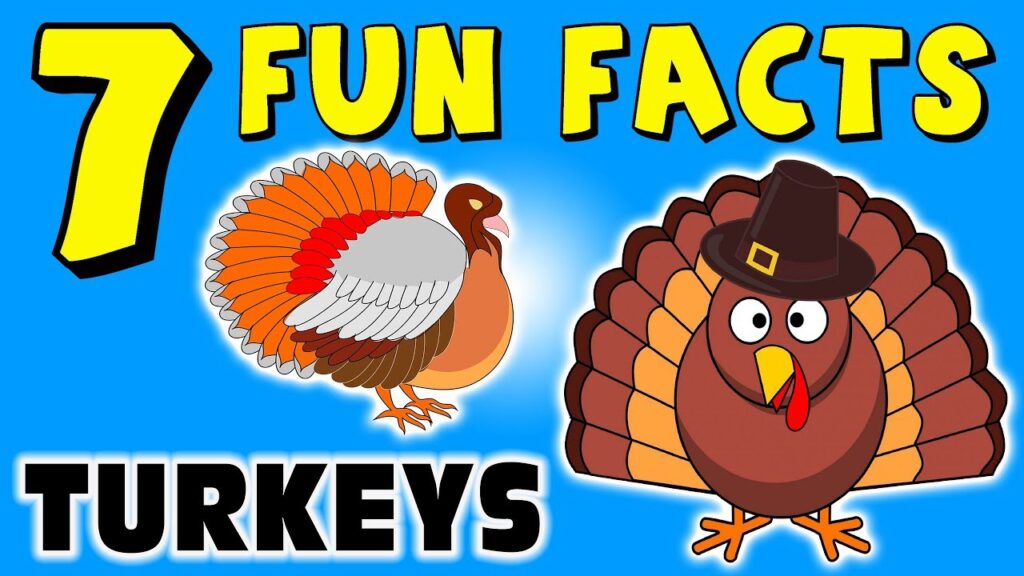
Wild turkeys are impressive creatures, with males typically weighing between 11 to 24 pounds, while females tend to be smaller, averaging 5.5 to 12 pounds. Their distinctive physical features, including their fan-shaped tails and wattled necks, make them easily recognizable. The iridescent feathers that catch the sunlight are not just for show; they play a crucial role in courtship displays, attracting potential mates with their vibrant hues.
3. Social Butterflies of the Bird World
Turkeys are far from solitary animals; they are highly social and tend to live in flocks that can number up to 200 individuals. This gregarious nature fosters intricate social structures and communication among members. Turkeys utilize a sophisticated array of vocalizations, consisting of clucks, gobbles, and purrs, to convey messages ranging from warnings of danger to mating signals. Observing these interactions provides insight into their social dynamics and intelligence.
4. An Ornate Ritual: The Courtship Display
The courtship display of turkeys is a phenomenon that exemplifies their intricate behavior. Male turkeys, known as toms, perform elaborate displays to attract females, known as hens. This includes puffing up their bodies, fanning their tails, and producing rich sounds that echo through the forest. The spectacle can be both mesmerizing and comical, showcasing the males’ efforts to outdo one another in a bid for reproductive success.
5. Impressive Vision and Awareness
In the realm of avian senses, turkeys are equipped with exceptional eyesight. They have a nearly 360-degree field of vision, thanks to their eye placement on the sides of their heads. This anatomical arrangement allows them to detect predators from almost any angle. Coupled with their ability to see in full color, turkeys can identify subtle changes in their environment, enhancing their survival strategies.
6. Gobbling: More Than Just Noise
While the distinct gobbling sound of male turkeys is often associated with their mating call, it serves multiple purposes in their social interactions. Turkeys use gobbling to establish dominance, attract mates, and communicate with the rest of the flock. Interestingly, each turkey develops its unique vocal pitch, contributing to a rich tapestry of sounds that signify their individual identities within a flock.
7. Intelligence Beyond Perception
Contrary to the stereotype of turkeys being simple-minded, these birds exhibit remarkable cognitive abilities. Studies have shown that turkeys possess problem-solving skills and can navigate complex environments. Their ability to remember the locations of food sources and recognize other turkeys over time indicates a level of intelligence akin to more traditionally revered species in the avian world.
8. Flight vs. Ground: A Dual Life
While many may assume that turkeys are primarily ground dwellers, they are, in fact, capable of impressive flight. Wild turkeys can fly at speeds of up to 55 miles per hour for short distances. Their strong, muscular wings allow them to ascend into trees for roosting at night, a vital strategy for protecting themselves from predators. This ability to navigate both ground and sky is a testament to their adaptability and survival skills.
9. The Role of Turkeys in Ecosystems
Turkeys play a crucial role in their ecosystems by helping to maintain the balance of their habitats. As omnivores, they consume a varied diet that includes seeds, insects, and small fruits. Their foraging behavior disperses seeds throughout the environment, promoting plant growth and biodiversity. By contributing to their ecological systems, turkeys underscore the interconnectedness of wildlife.
10. The Cultural Impact of Turkeys
Beyond their biological attributes, turkeys hold a significant place in various cultures. From Native American traditions to modern Thanksgiving celebrations, turkeys symbolize gratitude, abundance, and community. They have been featured in art, literature, and folklore, reinforcing their stature as not just food sources but as creatures woven into the cultural fabric of society. Their multifaceted roles reflect a deep appreciation for what turkeys represent across different contexts.
In conclusion, turkeys are indeed odd birds with big personalities, exhibiting behaviors and characteristics that fascinate and inspire. Their complex social structures, impressive physical abilities, and significant roles in ecosystems unravel deeper mysteries about avian life. By moving beyond the typical perception of turkeys as mere holiday decorations, one can appreciate these remarkable creatures for their uniqueness and contribution to the natural world.
FAQ
What is the average weight of a wild turkey?
Male wild turkeys typically weigh between 11 to 24 pounds, while females average 5.5 to 12 pounds.
Can turkeys fly?
Yes, wild turkeys can fly at speeds of up to 55 miles per hour for short distances.



Leave a Reply