
Short Answer
The savanna, an iconic landscape distinguished by its sprawling grasslands dotted with sporadic trees, is an ecosystem that captures the human imagination. The allure of the savanna lies in its dynamic wildlife, variable weather conditions, and striking landscapes. Herein lies an exploration of fascinating, lesser-known facts about this remarkable biome.
1. Definition and Distribution
Spanning continents primarily found in Africa, South America, and Australia, the savanna is defined as a grassy plain characterized by its sparse tree coverage. The tropical savanna, in particular, can be seen in regions like the Serengeti and the Brazilian Cerrado. Interestingly, this biome occupies approximately one-fifth of the Earth’s land surface, showcasing its vast presence and ecological importance.
2. Unique Flora
The flora of the savanna is uniquely adapted to withstand both drought and fire. Grasses dominate the landscape, often reaching heights of over six feet. Distinctive species such as the baobab tree, known for its enormous trunk and longevity, can also be found. The savanna’s vegetation exhibits a fascinating adaptation called “fire-resistance,” enabling it to rejuvenate rapidly after a fire, which is an essential natural phenomenon in this ecosystem.
3. Diverse Fauna
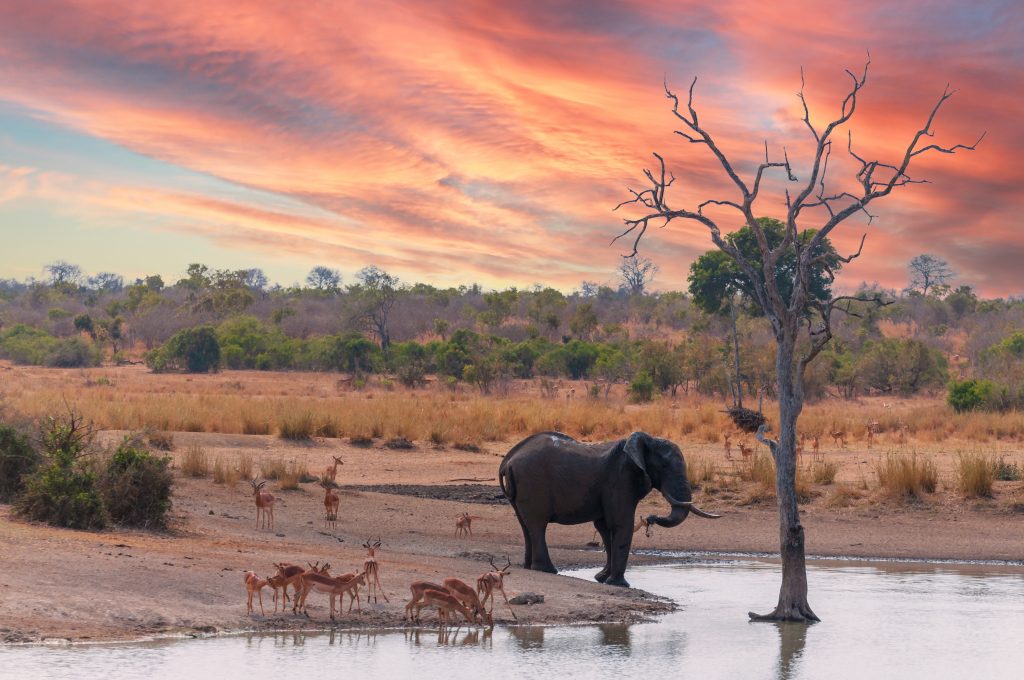
The savanna hosts an exceptional array of wildlife. Iconic species include the African elephant, the majestic lion, and the agile cheetah. These animals are well-adapted to their environment, exhibiting behaviors that often reflect their evolutionary history. For example, the migratory patterns of wildebeests are driven by their instinct to find food and water, traversing the landscape in rhythmic cycles.
4. The Great Migration
One of the most extraordinary spectacles of the savanna is the Great Migration, wherein over a million wildebeests, alongside zebras and gazelles, traverse the Serengeti’s ecosystem. This event is not merely a fascinating sight; it is critical for the ecological balance. Grasslands are grazed, which in turn stimulates new growth, creating a sustainable environment for various species.
5. The Role of Fire
Fire plays a pivotal role in maintaining the savanna ecosystem. Periodic wildfires, often sparked by lightning, clear out dense vegetation, fostering the growth of nutrient-rich grasses. Many animals, including the black-backed jackal and various bird species, have evolved behaviors to take advantage of post-fire landscapes, hunting for exposed prey or nesting in rejuvenated foliage.
6. Seasonal Weather Patterns
The savanna experiences dramatic seasonal weather changes, characterized by distinct wet and dry seasons. Rainfall can be sporadic but is intense during the wet season, transforming the arid landscape into a vibrant tableau of life. These fluctuations influence the flora and fauna, dictating breeding cycles and migration patterns, which in turn affect the entire ecosystem’s dynamics.
7. Climate Change Impact
Climate change is increasingly affecting the savanna, altering rainfall patterns and species distribution. As temperatures rise and precipitation becomes more erratic, some species struggle while others may thrive. It is crucial to monitor these shifts, as they could lead to unforeseen cascading effects throughout the ecosystem.
8. Home to Indigenous Cultures
The savanna is not only significant ecologically but also culturally. Indigenous communities inhabit these lands, having developed rich traditions intertwined with the local ecosystem. Their knowledge of the landscape and its wildlife has been crucial for sustainable living, showcasing a deep respect for the environment. These cultures often utilize natural resources in ways that maintain the ecological balance, highlighting the importance of heritage in conservation efforts.
9. Biodiversity Hotspots
The savanna is home to a variety of biodiversity hotspots. Species such as the African wild dog, which is on the brink of extinction, rely on large expanses of savanna for their hunting strategies and pack dynamics. Efforts to protect these areas are essential not only for wildlife conservation but also for maintaining the intricate web of interactions that define this ecosystem.
10. Ecological Interdependence
In the savanna, every species has a role, contributing to the intricate web of life. The relationship between herbivores and their predators ensures a balanced population. Additionally, pollinators such as bees and butterflies play a significant role in maintaining plant diversity. This interdependence is a critical concept in ecology, illustrating how the loss of one species can significantly disrupt the entire ecosystem.
11. The Changing Face of the Savanna
Human activities such as agriculture, urban development, and poaching pose substantial threats to the savanna. Overgrazing and deforestation lead to habitat degradation, diminishing the ecological integrity of this biome. Conservation programs are imperative to protect the savanna’s biodiversity and ensure that future generations can witness its extraordinary wildlife and landscapes.
12. Conclusion
The savanna is more than just a picturesque landscape; it is a complex ecosystem teeming with life and ecological importance. Understanding its unique characteristics can shift how we perceive our connection with nature. By fostering curiosity and respect for this biome, we can appreciate its vital role in the global ecosystem and work towards its preservation. The savanna invites us to explore, learn, and ultimately protect its wild landscapes and the myriad of life they support.
FAQ
What defines a savanna ecosystem?
A savanna is characterized by grassy plains with sparse tree coverage, primarily found in regions like Africa, South America, and Australia.
What is the Great Migration?
The Great Migration is an annual event where over a million wildebeests, zebras, and gazelles move through the Serengeti in search of food and water.
How does fire affect the savanna?
Periodic wildfires clear dense vegetation in the savanna, promoting the growth of nutrient-rich grasses and helping maintain the ecosystem.
What threats does climate change pose to savannas?
Climate change alters rainfall patterns and species distribution, potentially harming some species while benefiting others.




Leave a Reply