
Short Answer
Morocco, a land where diverse cultures entwine and stunning landscapes interlace with rich history, is a destination that captivates the senses. From the bustling souks of Marrakech to the serene heights of the Atlas Mountains, Morocco is steeped in mystique. Here are some compelling facts that encapsulate the essence of this enchanting North African nation, illustrating its markets, mountains, and cultural allure.
1. The Vibrant Markets
Morocco’s markets, known as souks, are a microcosm of the country’s vibrant culture. Each souk tends to specialize in various goods, creating a unique atmosphere that lures both locals and tourists. For example, the souk of Marrakech, a labyrinthine expanse, is famed for its intricate handicrafts, spices, and textiles. To the untrained eye, these bustling marketplaces might seem chaotic, but there is a rhythm to this bustling life. Vendors call out in melodious tones, inviting patrons to explore their wares.
Another notable market is the souk in Fes, which is one of the largest car-free urban areas in the world. A UNESCO World Heritage site, Fes el-Bali boasts a plethora of artisanal crafts, including pottery, leather goods, and traditional Moroccan lamps. The artistry here is not simply commercial; it is a legacy. Crafting methods passed down through generations exemplify Morocco’s artisanal flair.
2. The Allure of the Atlas Mountains
Stretching over 2,500 kilometers through Morocco, the Atlas Mountains present a breathtaking backdrop brimming with opportunities for adventure. These majestic peaks are not only a visual feast but also serve as a vital source of life for the surrounding regions. One of the most famous areas, the High Atlas, is home to Mount Toubkal, the highest peak in North Africa. This challenging climb attracts trekkers from across the globe, inviting them to witness panoramic vistas that are nothing short of extraordinary.
The region is also known for its charming Berber villages, where the indigenous people maintain age-old traditions. As you traverse the mountain trails, you may experience the warm hospitality of the Berber culture, evident in their homes, cuisine, and vibrant music.
3. The Cultural Fusion
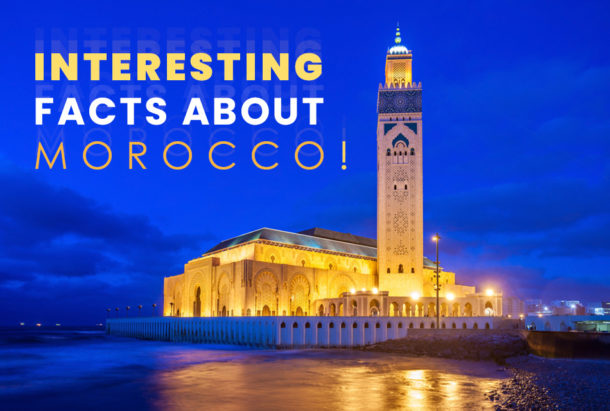
Morocco’s historical tapestry is woven from diverse elements, including Berber, Arab, and French influences. This muddled heritage creates a unique sociocultural environment, where various customs coexist harmoniously. The country’s architecture, reflected in the intricate tile work of the Hassan II Mosque in Casablanca and the ornate palaces of Fes, shows this cultural syncretism beautifully. Even the cuisine offers a culinary voyage, featuring tagines, couscous, and pastries infused with exotic spices like saffron and cinnamon.
Festival rhythms pulse through the country, especially during the Fes Festival of World Sacred Music, which showcases global artistic talents within a traditional Moroccan setting. The arts scene is vibrant, emphasizing music, dance, and visual arts that celebrate the amalgamation of Moroccan traditions with global influences.
4. The Mystique of the Sahara
No discussion of Morocco would be complete without acknowledging the Sahara Desert, a vast expanse that embodies the mystique of this enchanting nation. The Erg Chebbi dunes near Merzouga are an iconic destination, where rolling waves of sand create a surreal landscape. Dune bashing, camel trekking, and stargazing at night are experiences that captivate adventurers, offering glimpses of eerie beauty.
Life in the Sahara is as extraordinary as its landscape. Bedouin nomads navigate the harsh environment with grace and resourcefulness. Their rich oral traditions and captivating stories add depth to the desert’s allure, painting vivid images of life against the backdrop of shifting sands.
5. Architectural Wonders
The architectural identity of Morocco is a study in contrast, merging historical grandeur with modern innovation. The medinas, or old towns, of cities like Marrakech and Fes are layered with intricate mosaic tiles and grand arches. The craftsmanship is so renowned that artisans often pass their skills down through familial ties. Buildings such as the Koutoubia Mosque in Marrakech and the Bahia Palace showcase breathtaking design, incorporating elements like intricate stuccos and colorful glazed tiles.
In striking contrast, modern architectural endeavors are reshaping cities like Casablanca, where the skyline merges art deco influences with contemporary designs, such as the iconic Morocco Mall. This blend of the old and the new reflects Morocco’s adaptive spirit and forward-looking ambitions.
6. The Rich Gastronomic Heritage
Moroccan cuisine is a feast for both the eyes and the palate, offering a myriad of flavors. The populace takes pride in their culinary practices, which often serve as central social events. Dishes are typically rich with spices; saffron, cumin, and paprika are prevalent. The famously slow-cooked tagine holds an esteemed position in Moroccan kitchens, beautifully encapsulating the union of agriculture and culinary excellence.
This gastronomic adventure extends beyond meals. Street food stalls in cities renowned for their hustle and bustle offer treats like the famous Moroccan mint tea, a symbol of hospitality and tradition. The act of sharing this tea signifies friendship and respect, further entwining food with cultural expressions.
7. A Land of Festivals
With its vibrant traditions, Morocco proudly hosts an array of festivals throughout the year, celebrating everything from music to agriculture. The Rose Festival in El Kelaa des Mgouna, for instance, marks the annual rose harvest and is filled with parades, workshops, and cultural exhibitions. The event not only honors the flora but also stimulates regional economies by attracting visitors to the area.
The Mawazine Festival in Rabat is another monumental event that brings together global music stars and local talent, drawing fans from across the world. These festivals reflect the Moroccan spirit, embodying joy, community, and diversity while preserving ancient traditions.
In conclusion, Morocco stands as a testament to a diverse historical narrative, where markets brim with activity, mountains beckon adventurers, and a rich cultural legacy unfurls. It is a land contrived from myriad influences and traditions, intricately woven into the very fabric of life, thereby drawing visitors into its enchanting embrace. Travelers are not merely observers; they become partakers in a sensual journey through a country that thrives on its markets, mountains, and mystique.
FAQ
What are the main attractions in Morocco?
The main attractions include the vibrant souks of Marrakech, the Atlas Mountains, the Sahara Desert, and various cultural festivals.
What is Moroccan cuisine known for?
Moroccan cuisine is known for its rich flavors, spices, and traditional dishes like tagines and couscous.



Leave a Reply