
Short Answer
Cardinals, with their striking crimson plumage and distinctive crests, are more than just visually appealing avian inhabitants; they embody a captivating blend of behaviors and traits that elicit intrigue and admiration. This exploration delves into the multifaceted world of cardinals, revealing why these dazzling birds, often spotted in backyards and parks, command a special place in the hearts of many.
1. Vibrant Coloration: The Science Behind the Red
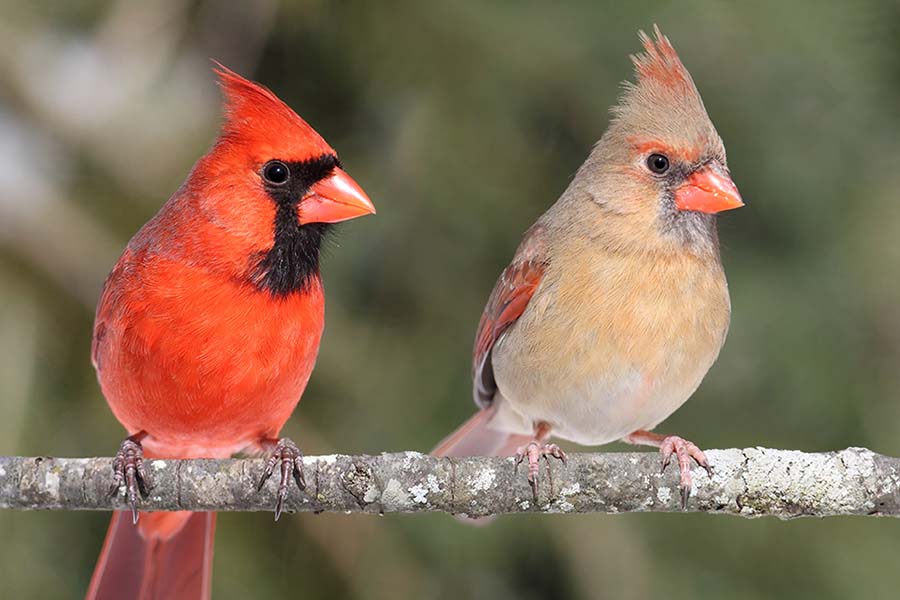
The cardinal’s vivid red color is not merely for show; it serves a critical purpose. Male northern cardinals boast bright red feathers that are a result of carotenoid pigments obtained through their diet, primarily composed of seeds, fruits, and berries. This remarkable hue plays a crucial role in mating rituals, as females are drawn to the most vibrant males, perceiving them as healthier and more genetically fit. Intriguingly, female cardinals, while more subdued in color, also exhibit a range of warm hues—tan, brown, and red—making them equally appealing in their own right.
2. Signature Songs: The Melody of Communication
One of the cardinal’s most enchanting characteristics is its song. Their melodious tunes, often described as cheerful and varied, are part of their courtship and territorial behavior. Males sing to establish dominance over their area and to attract a mate. Each cardinal has a distinctive repertoire of sounds, which can include whistles, chirps, and even complex phrases. Researchers have found that cardinals possess the cognitive ability to alter their songs in response to environmental stimuli, underscoring their adaptive nature.
3. Strong Pair Bonds: A Commitment to Fidelity
Cardinals are known for their monogamous relationships that can last for several breeding seasons. These birds are incredibly devoted partners, often seen foraging together, singing in tandem, and engaging in mutual preening. The pair typically establishes a territory together; this cooperative behavior not only strengthens their bond but is also essential for successful rearing of their young. Such steadfast partnerships are a testament to their social structure, painting a picture of nurturing relationships in the animal kingdom.
4. Nesting Habits: Masterful Architects
Cardinals are skilled nest builders. Females prefer to select secluded spots to construct their nests, often in dense shrubs or trees, providing safety against predators. The nests themselves are intricately built using twigs, leaves, and grass, wove together with remarkable precision. This attention to detail protects their eggs and hatchlings from the elements and potential threats. Nesting usually takes place in spring, with the female laying a clutch of three to four eggs. After about 11 to 13 days of incubation, the eggs hatch, and both parents play an active role in caring for the fledglings.
5. Territorial Defenders: Bold and fearless
Cardinals exhibit aggressive behavior when defending their territory. Males are known to be particularly combative, chasing off intruders, including fellow cardinals and other bird species. Their fearless disposition is not limited to the protections of their nesting areas; they often confront their reflections in windows and mirrors, mistaking their own images for rival males. This behavior, while humorous, underscores their battle-hardened spirit and territorial instincts.
6. A Cultural Symbol: Beyond the Birdwatcher’s Delight
The northern cardinal holds significant cultural symbolism in various societies. In many North American traditions, the cardinal is viewed as a messenger from the spirit world, often associated with lost loved ones. Its vibrant red color symbolizes vitality, passion, and life. From sports teams to state birds, the cardinal’s influence permeates beyond ornithology, resonating in art, literature, and folklore, making it a cultural icon that transcends its avian identity.
7. Dietary Preferences: The Omnivorous Cardinal
As omnivores, cardinals have a diverse diet that primarily includes seeds, berries, fruits, and insects. This adaptability in their feeding habits allows them to thrive in various habitats, from dense forests to urban gardens. During winter, they often rely on seed feeders placed by bird enthusiasts, showcasing their resilience and ability to adapt to human environments. Interestingly, cardinals exhibit selective feeding behaviors, demonstrating a preference for high-energy food sources during breeding season, which is crucial for sustaining their young.
8. Lifespan and Longevity: Surprising Survival Rates
In the wild, cardinals can live up to 3 years on average, but some individuals have been documented living much longer, with records indicating lifespans of up to 15 years. Factors affecting their longevity include habitat quality, food availability, and predator presence. The ability to thrive in various environments contributes to their survival, allowing them to adapt to changing conditions and ensuring their continued presence in both rural and urban landscapes.
9. Migration Patterns: A Surprising Reality
Unlike many migratory birds, northern cardinals generally do not migrate long distances. However, some may exhibit local movements in response to food availability and seasonal changes. This residency contributes to their status as year-round avian residents in many parts of North America. The cardinals that do migrate often do so from the northern outskirts of their range, demonstrating that climate and resources heavily influence their behavior.
10. A Legacy of Conservation: Reflecting on Habitat Preservation
As populations of cardinals fluctuate with environmental changes, their presence serves as a barometer for ecosystem health. Efforts in conservation and habitat preservation have become paramount in supporting these birds and many other species. Planting native flower species, providing bird feeders, and reducing pesticide use can create conducive environments for cardinals. Their continued existence is a reminder of the importance of biodiversity and the ecological fabric of our surroundings.
In conclusion, the cardinal’s complexity extends far beyond its charming appearance. Their social behaviors, innovative adaptations, and cultural significance create a tapestry rich with lessons about resilience and beauty in nature. Each sighting of the cardinal should inspire not just appreciation but also a deeper understanding of the roles these vibrant birds play in our ecosystem.
FAQ
What is the lifespan of a cardinal?
In the wild, cardinals can live up to 3 years on average, but some individuals have been documented living up to 15 years.
What do cardinals eat?
Cardinals are omnivores and primarily eat seeds, berries, fruits, and insects.
Are cardinals migratory birds?
Most northern cardinals do not migrate long distances, but some may move locally in response to food availability.





Leave a Reply