
Short Answer
Antarctica, a vast expanse of perpetual ice, presents an enigma that tantalizes the imagination. Often shrouded in a veil of obscurity, this isolated continent emerges as a treasure trove of astonishing revelations. From its chilling landscapes to its captivating wildlife, the allure of Antarctica is as profound as the silent stillness that blankets its icy plains. Below, we delve into an array of intriguing facts that illuminate the unique appeal of this frigid realm.
1. The Last Frontier of Wilderness
Antarctica, often characterized as the last true wilderness, is a land untouched by the chaotic thrall of human civilization. With no permanent residents, the ice-clad continent serves as a sanctuary for various scientific pursuits. The extreme conditions act as a natural barrier, ensuring that both ecosystems and research remain largely undisturbed. This isolation facilitates a unique environment where the impact of climate change can be studied in real-time, offering insights that are increasingly relevant as global temperatures rise.
2. A Continent of Ice: Scale and Spectacle
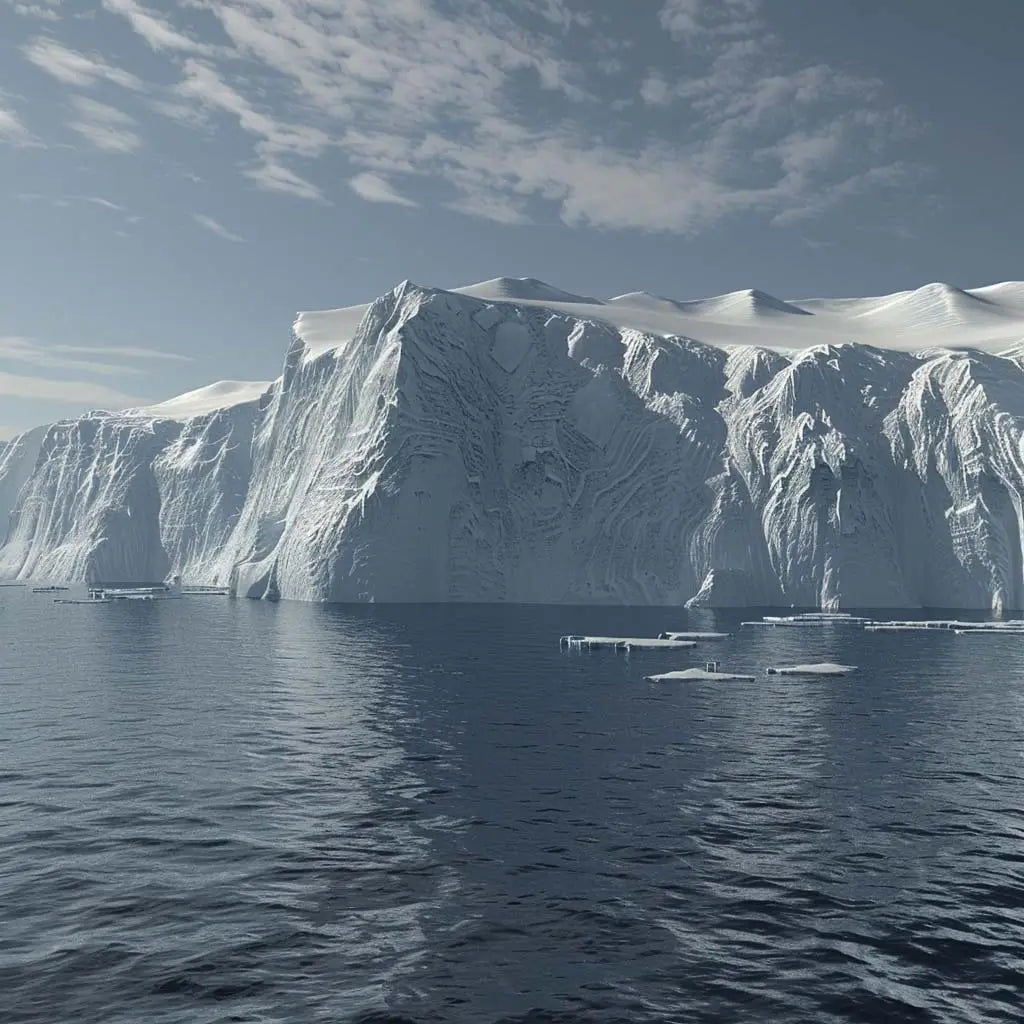
Occupying a staggering area of approximately 14 million square kilometers, Antarctica is the fifth-largest continent, enveloped in a colossal ice sheet that averages about 1.6 kilometers in thickness. This profound accumulation of ice signifies not just a physical presence, but also acts as a pivotal component of the Earth’s climate system. It holds around 70% of the planet’s fresh water, and if it all melted, global sea levels would rise by approximately 60 meters. The sheer mass of ice resembles a colossal white blanket, draped over the landscape, shaping everything in its reach.
3. A Hidden World: Subglacial Ecosystems
Beneath the icy façade of Antarctica lies an underground realm of life. Scientists have discovered lakes, such as Lake Vostok, trapped beneath the ice for millions of years. These subglacial ecosystems harbor microorganisms adapted to extreme conditions, providing a glimpse into how life could potentially exist on other icy worlds, such as Europa or Enceladus. The existence of these life forms challenges our understanding of biology and ecosystems, suggesting that life can thrive in the most inhospitable environments.
4. Climate Change Sensitivity
Antarctica is a bellwether for climate change. Its ice sheet, which has been in a delicate balance for millennia, is now exhibiting signs of distress, with rapid melting observed. The Thwaites Glacier, often referred to as the ‘doomsday glacier,’ has raised alarms due to its potential to unleash catastrophic rises in sea levels. Scientists closely monitor this glacier, as its instability could have far-reaching consequences for coastal communities worldwide. This magnificent yet precarious entity serves as a stark reminder of humanity’s impact on the environment.
5. Unraveling Human History
While largely uninhabited, Antarctica holds a significant place in human history. The first confirmed sighting occurred in 1820, yet it wasn’t until the early 20th century that explorers set forth to unveil its mysteries. Figures like Ernest Shackleton and Robert Falcon Scott epitomized the spirit of exploration, facing insurmountable odds in their quest to traverse this unforgiving land. Their voyages not only pushed the boundaries of human endurance but also laid the groundwork for contemporary research in the region.
6. The Fascinating Fauna and Flora
Antarctica’s wildlife, though seemingly sparse, paints a vivid tapestry of resilience. The continent is home to an array of species, notably the iconic Emperor penguins, which brave the harsh winter to breed. The unique adaptations of these birds, including their remarkable breeding behavior and ability to huddle for warmth, showcase nature’s incredible ingenuity. Other species, such as Weddell seals and orcas, thrive in the surrounding frigid waters, forming intricate predator-prey dynamics that highlight the interplay of life in extreme conditions.
7. Biodiversity Beneath the Ice: Strange Creatures
Life in Antarctica is not limited to the terrestrial realm. The Southern Ocean, enriched by nutrient upwellings, is vibrant with species ranging from the colossal blue whale to the diminutive krill. Krill, often regarded as the cornerstone of the Antarctic ecosystem, supports a plethora of marine life and serves as an invaluable food source for larger species. The unique adaptations of these creatures to the harsh climate exemplify the intricacies of evolutionary resilience amidst adversity.
8. The Mesmerizing Aurora Australis
Antarctica offers a breathtaking spectacle: the Aurora Australis, or Southern Lights, which dances across the polar sky in vibrant hues of green, purple, and red. This natural light display is a result of the interaction between solar winds and the Earth’s magnetic field, casting an ethereal glow over the desolate landscape. Witnessing this phenomenon is akin to observing nature’s artwork, a kaleidoscope of colors illuminating the stark beauty of icy desolation.
9. The Quest for Sustainability
Additionally, the future of Antarctica is a focal point for global sustainability initiatives. The Antarctic Treaty System, established in 1961, emphasizes cooperation in scientific research while prohibiting military activity and mineral mining. This international effort serves as a beacon of hope, emphasizing the importance of preserving untouched ecosystems and fostering a spirit of collaboration in addressing environmental challenges across the globe.
10. A Realm of Exploration and Discovery
In conclusion, Antarctica stands as an extraordinary testament to the resilience of nature. Each icy crevice and fragile ecosystem tells a story of survival, adaptation, and unyielding beauty amid the harshest conditions on Earth. From the mysteries of subglacial lakes to the majestic waddle of Emperor penguins, this continent compels exploration, inviting humanity to delve deeper into its secrets. In the face of climate change and global challenges, Antarctica embodies the urgent need to protect our planet’s last wilderness, ensuring its timeless legacy endures for generations to come.





Leave a Reply