
Short Answer
Crocodiles, often referred to as the most ancient of reptiles, have existed for over 200 million years—a lineage predating even the dinosaurs. These formidable predators are remarkable not only for their longevity but also for their complex biology, behavior, and habitats. Below, we delve into some intriguing aspects of crocodiles that highlight their evolutionary prowess and ecological significance.
1. Evolutionary Superstars
Crocodiles belong to the clade Archosauria, making them relatives of birds and dinosaurs. Their ancestors roamed the Earth during the late Triassic period, showcasing an evolutionary stability that few species can claim. The anatomy of modern crocodiles has remained relatively unchanged, exemplifying an efficient design suited for survival. Fossil records show that variations of these creatures have adapted to diverse ecological niches, proving their resilience through numerous environmental shifts.
2. Size Matters
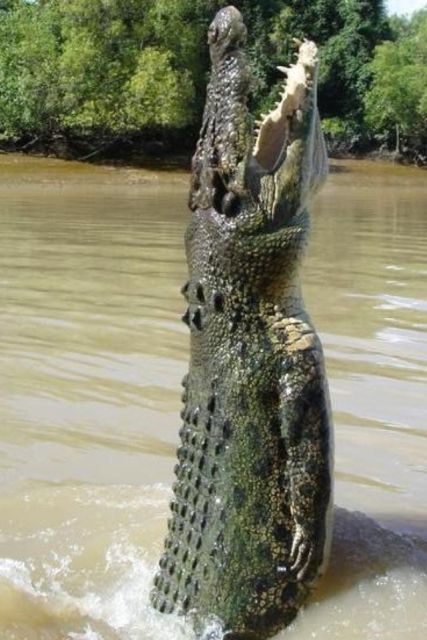
The size of crocodiles can vary dramatically depending on the species. The saltwater crocodile (Crocodylus porosus) holds the title for the largest living reptile, averaging lengths of up to 23 feet and weighing over 2,200 pounds. In contrast, the dwarf crocodile (Osteolaemus tetraspis) measures a mere 5 to 6 feet in length. These size differences not only highlight the diversity within the species but also their adaptability to different habitats.
3. Physiological Marvels
Crocodiles possess a unique physiological feature: a specialized heart with four chambers, resembling that of birds and mammals. This adaptation allows for efficient oxygen circulation, which is essential for their predatory lifestyle. Additionally, their powerful jaws contain robust muscles capable of exerting a bite force exceeding 3,700 pounds per square inch—one of the strongest in the animal kingdom. This formidable bite, combined with sharp teeth and a primordial hunting strategy, makes them apex predators in their environments.
4. Serpentine Swimmers
Renowned for their swimming abilities, crocodiles can cover impressive distances in water with minimal energy expenditure. Their streamlined bodies and powerful tails allow for agile movements, while their webbed feet assist in propulsion. Notably, crocodiles can hold their breath for over an hour, a remarkable feat that enables them to ambush prey from below the surface. They often rely on a stealthy approach, remaining submerged until the right moment to spring into action.
5. Habitat and Distribution
Crocodiles inhabit a wide range of environments, including rivers, lakes, wetlands, and estuaries. Predominantly found in tropical and subtropical regions, their distribution spans across continents such as Africa, Asia, the Americas, and Australia. Each habitat presents unique challenges, yet crocodiles have adapted to thrive in both freshwater and saltwater ecosystems, showcasing their ecological flexibility.
6. Ambush Predators
Crocodiles are primarily ambush predators, relying on stealth and surprise tactics. They often utilize a strategy of remaining motionless until prey comes within striking distance. After a quick and powerful lunge, they capture their quarry with razor-sharp teeth. Their diet includes fish, birds, mammals, and even other reptiles, making them opportunistic feeders. Notably, crocodiles exhibit a remarkable ability to consume prey larger than themselves, using a technique known as the “death roll” to subdue and dismember larger victims.
7. Social Structures
While often perceived as solitary creatures, crocodiles exhibit complex social behaviors, especially during the mating season. Male crocodiles may establish territories and engage in vocalizations and displays to attract females. Nesting sites are constructed by females, who will fiercely guard their eggs against potential threats. This maternal care is notable in the reptilian world, emphasizing the importance of family in their reproductive strategy.
8. Communication Techniques
Crocodiles utilize a variety of vocalizations to communicate, including hissing, bellowing, and growling. Each sound has specific meanings, whether signaling distress, asserting dominance, or attracting mates. Additionally, body language plays a crucial role in their social interactions, with postures signaling aggression or submission. Researchers continue to study these intricate communication patterns, aiming to decode the complexities of crocodilian social behavior.
9. Conservation Status
Despite their ancient lineage, many crocodile species face threats from habitat destruction, poaching, and pollution. Conservation efforts are critical to ensuring their survival. Various organizations work diligently to preserve habitats and increase awareness of the ecological roles crocodiles play. Certain species, like the American crocodile, have shown signs of population recovery thanks to these initiatives, reminding us of the importance of protecting these remarkable reptiles.
10. Cultural and Mythological Significance
Crocodiles hold a significant place in various cultures and mythologies. From ancient Egyptian deities associated with protection to contemporary depictions in art and media, these reptiles symbolize power and ferocity. Their imposing presence inspires both fear and fascination, making them enduring figures in human culture throughout history.
In summary, crocodiles exemplify a unique intersection of ancient lineage, adaptation, and ecological importance. Their evolutionary journey is a testament to resilience and efficiency in the face of changing environments. Understanding these creatures deepens our appreciation for the complexity of wildlife and the necessity of conservation efforts to ensure their continued existence.
FAQ
How long have crocodiles existed?
Crocodiles have existed for over 200 million years.
What is the largest species of crocodile?
The saltwater crocodile (Crocodylus porosus) is the largest, averaging lengths of up to 23 feet.
How do crocodiles communicate?
Crocodiles use various vocalizations like hissing and growling, along with body language to communicate.
What do crocodiles eat?
Crocodiles are opportunistic feeders, eating fish, birds, mammals, and even other reptiles.

Leave a Reply