
Short Answer
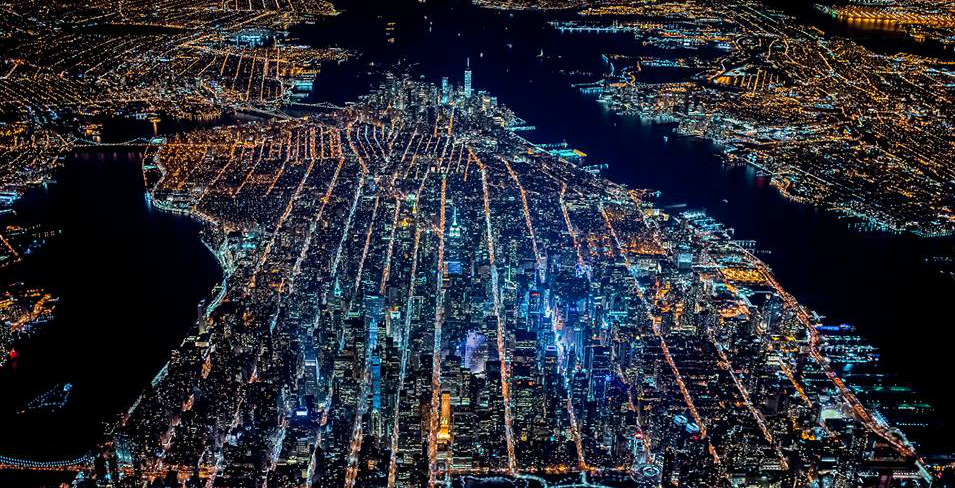
New York City is an iconic metropolis teeming with history, culture, and eccentricities that make it one of the most fascinating places in the world. Known as “The City That Never Sleeps,” it is a hub of activity, inspiration, and uniqueness. Delving into its secrets reveals an array of captivating facts that both astonish and inform. From historical anecdotes to modern-day oddities, here are some fun facts about New York City that illuminate the city’s vibrant character.
1. The Origins of the Moniker
New York City is often referred to as “The Big Apple.” This nickname dates back to the 1920s and was popularized by jazz musicians who used it to denote New York as the ultimate destination for performers. However, its origins can be traced even further to horse racing, where larger prizes were referred to as “big apples.” This charm-laden expression has survived the test of time and evolved into a symbol of the city’s grandeur.
2. Hidden Waterways and Infrastructure
Despite being known for its towering skyscrapers, New York City is crisscrossed by an intricate network of waterways and hidden infrastructure. Below the bustling streets lies a maze of tunnels and unused subway stations. One of the most notable is the City Hall subway station, which was closed in 1945 but still showcases grand architecture and elegant tilework, serving as a time capsule of a bygone era.
3. The Iconic Brooklyn Bridge’s Craftsmanship
The Brooklyn Bridge, completed in 1883, is not just a marvel of engineering; it is also a testament to human tenacity. Constructed using a technique called “cat’s cradle,” the bridge’s cables were initially made from steel wire, rather than iron, which allowed for greater strength and flexibility. The bridge’s design has inspired many around the world and remains an enduring symbol of resilience and innovation.
4. An Architectural Melting Pot
New York City boasts some of the most diverse architecture globally. The skyline features a medley of styles, from the Art Deco grandeur of the Empire State Building to the minimalist design of One World Trade Center. The city itself serves as an architectural timeline, representing numerous movements, cultures, and historical contexts juxtaposed in a breathtaking urban landscape.
5. The Subway System’s Remarkable Scale
The New York City subway system is one of the largest and most complex in the world, encompassing 472 stations and approximately 841 miles of track. What’s even more astonishing is that it is the only subway system in the United States that operates 24/7, facilitating millions of journeys each day. It has an average of over 5 million riders daily, showcasing the city’s reliance on this subterranean transit marvel.
6. Central Park’s Hidden Features
Central Park may seem like an oasis of tranquility amid the urban hustle, but it is also laden with hidden gems. Spanning over 843 acres, this park features an enchanting array of secret pathways, whimsical sculptures, and intricately designed bridges. The Loeb Boathouse, often overlooked, allows visitors to rent boats and paddle through the serene waters, providing a unique perspective of the park’s beauty.
7. Gargoyles and Grotesques of the City
Many of New York City’s buildings are adorned with gargoyles and grotesques that may go unnoticed by the casual observer. These architectural embellishments originated in Gothic architecture and serve both functional and decorative purposes. The most famous examples can be found on the Cathedral Church of Saint John the Divine and the New York Life Building. They embody the blend of artistry and superstition that informs the city’s architectural narrative.
8. The Evolution of Times Square
Times Square, known for its bright lights and bustling crowds, has undergone several transformations since its inception. Originally named Longacre Square, it was rebranded in 1904 when The New York Times moved its headquarters there. The area has since evolved from a center of print media to an entertainment epicenter, hosting Broadway shows, nightlife, and colossal digital advertisements that captivate visitors from around the globe.
9. The Legacy of Immigrants
New York City is often heralded as a melting pot, a moniker that speaks to its rich tapestry woven from diverse immigrant backgrounds. Each wave of immigrants has contributed to the city’s evolving cultural landscape. For instance, a large influx of Irish immigrants in the mid-19th century profoundly influenced food, music, and social dynamics, forever changing the city’s character.
10. The Mysterious City Hall
The original City Hall, located at 16 Chambers Street, boasts an intriguing history, having been the seat of New York’s government since 1812. The building, with its Classical Revival architecture, houses hidden treasures such as the Mayor’s Court and elaborate chambers rarely seen by the public eye. Despite its historical significance, it is often overshadowed by more widely recognized landmarks.
11. Rooftop Gardens and Urban Greenery
New York’s crowded urban environment belies a thriving ecosystem of rooftop gardens and vertical farms. These initiatives, born from a desire to cultivate green spaces amid concrete jungles, not only beautify the skyline but also contribute to sustainable living. Many rooftops across the city engage in innovative agricultural practices, enhancing biodiversity and providing fresh produce to local communities.
12. A City of Museums
Home to over 100 museums, New York City is a veritable treasure trove of art, history, and science. The Metropolitan Museum of Art, the Museum of Modern Art, and the American Museum of Natural History are just a few among an extensive list. The sheer variety of exhibits—from ancient artifacts to contemporary masterpieces—ensures that there is something for every kind of enthusiast, making NYC a haven for knowledge seekers.
In conclusion, New York City is an enigma wrapped in stories, secrets, and captivating facts. With its eclectic mix of traditions, innovations, and breathtaking sights, it continues to enchant residents and visitors alike. Each adventure in this dynamic city unveils another layer of its rich heritage and relentless spirit, accentuating the notion that it truly is a city that never sleeps.
FAQ
What is unique about the NYC subway system?
The NYC subway system is the only one in the United States that operates 24/7 and includes 472 stations across approximately 841 miles of track.
Why is NYC considered a melting pot?
NYC is considered a melting pot due to its rich cultural diversity, shaped by waves of immigrants who have contributed to its history and character.



Leave a Reply