
Short Answer
Guinea pigs, known scientifically as Cavia porcellus, are captivating pets that bring joy to countless households. Their friendly demeanor and charming personalities make them a popular choice among pet enthusiasts. Below, we delve into a collection of fascinating facts about these adorable companions that highlight their uniqueness and the joys of keeping them as pets.
1. An Intriguing History
Originating from the Andes mountains in South America, guinea pigs have a rich history that dates back over 3,000 years. Initially, they were domesticated by the indigenous peoples of Peru, Ecuador, and Bolivia for food and religious purposes. Their role has evolved over centuries, and today, they are cherished as domestic pets worldwide.
2. Remarkable Communication Skills
Guinea pigs are not merely silent creatures; they possess a sophisticated system of vocalizations, each conveying different meanings. From wheeks of excitement when they see their owners or hear food being prepared to gentle purrs indicating contentment, these sounds create a dynamic communicative tapestry that enhances the bond with their human companions.
3. A Variety of Breeds
There are over thirteen recognized breeds of guinea pigs, each exhibiting distinct features and temperaments. From the silky-haired American and smooth-coated Abyssinian to the long-haired Peruvian and exotic Texel breeds—each variety adds novelty to the guinea pig experience, inviting potential owners to choose a companion that resonates with their preferences.
4. Social Creatures by Nature
Guinea pigs are inherently social animals. They thrive in pairs or small groups, exhibiting behaviors that highlight their social structure. Living in solitary conditions can lead to stress and loneliness. Consequently, it is often recommended to house multiple guinea pigs together, allowing them to engage in interactive behaviors like cuddling, grooming, and playful chasing.
5. Dietary Necessities
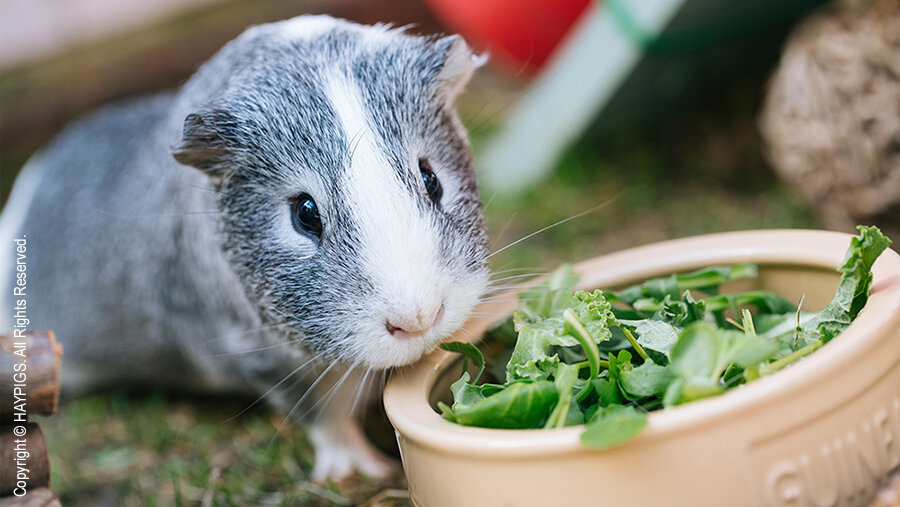
Turning attention to their dietary needs, guinea pigs are strict herbivores. Their diet must be rich in hay, pellets, and fresh vegetables, with specific emphasis on vitamin C, which they cannot produce independently. A balanced diet is crucial for their health, ensuring robust growth and longevity. Leafy greens like kale, parsley, and cilantro are particularly beneficial, but should always be introduced gradually to their diet.
6. Appreciate Their Time in the Wild
In their natural habitat, guinea pigs would typically occupy open grasslands and hills. As prey animals, they have developed a keen sense of awareness that influences their behavior when kept as pets. Understanding their instinctual need for hiding places, it is essential to provide tunnels or shelters within their living area. Such provisions could help alleviate potential stress and foster a sense of security.
7. Grooming and Care
Grooming is another vital aspect of guinea pig care, particularly for long-haired breeds. Owners should routinely brush their guinea pigs to avoid matting and to keep their skin healthy. Bathing, although necessary occasionally, should be approached with caution. Over-bathing can strip their coats of natural oils, so moderation is key. Regular nail trimming and dental check-ups are also imperative for maintaining overall well-being.
8. Unique Sleeping Habits
Unlike many other pets, guinea pigs have peculiar sleeping habits. They often practice short bouts of sleep throughout the day, which can be mistaken for alertness. Their reliance on periods of light rest rather than deep sleep allows them to remain vigilant against potential predators. It’s a characteristic that highlights their evolutionary adaptation as prey animals.
9. Lifespan and Longevity
When well cared for, guinea pigs can live an impressive five to seven years, with some even reaching ten or more. This longevity underscores the importance of committing to their care, ensuring they receive adequate nutrition, social interaction, and veterinary support throughout their lives. An informed owner can significantly contribute to their cherished companions living full, healthy lives.
10. Enriching Enclosure Environment
Creating a conducive environment for guinea pigs is paramount. The size of their enclosure should be spacious enough to allow for exploration, exercise, and social interaction. Incorporating safe toys, tunnels for enrichment, and soft bedding can transform a simple enclosure into a vibrant habitat. Regular cleaning practices also contribute to a healthy living space, preventing illness and discomfort.
11. Exhibit Personality Through Play
Guinea pigs exhibit rich personalities, often characterized by curiosity and playfulness. They manifest their energy through various activities—running, hiding, and exploring. Engaging them with toys and activities, such as foraging or training, can stimulate both their minds and bodies, greatly enhancing their quality of life. A well-stimulated guinea pig tends to display a more vibrant demeanor.
12. They Are Part of the Cavy Family
Interestingly, guinea pigs are part of the cavy family, making them distant relatives of porcupines and capybaras. Despite the misnomer of their name, they are neither pigs nor rodents; they occupy a unique niche in the biodiversity of the animal kingdom. This classification further illustrates the scientific intrigue surrounding these delightful creatures.
In conclusion, guinea pigs are more than just adorable pets; they embody a rich history, intriguing behaviors, and distinct needs. Understanding these factors enhances the experience of companionship, ensuring that both pet and owner enjoy an enriching and fulfilling relationship. As these cuties continue to steal hearts everywhere, educating oneself about their characteristics can only further this bond.





Leave a Reply