
Short Answer
Easter Island, known as Rapa Nui to its indigenous inhabitants, is a remote landmass situated in the southeastern Pacific Ocean. Famously recognized for its monumental statues, the Moai, this island is shrouded in numerous mysteries and legends that continue to captivate historians, archaeologists, and curious travelers alike. The profound intrigue surrounding Easter Island lies not only in its iconic sculptures but also in the story of its people, their achievements, and the environmental and cultural challenges they faced. Here are several compelling facts about Easter Island that delve into these captivating themes.
1. The Moai Statues: An Ingenuity of Engineering
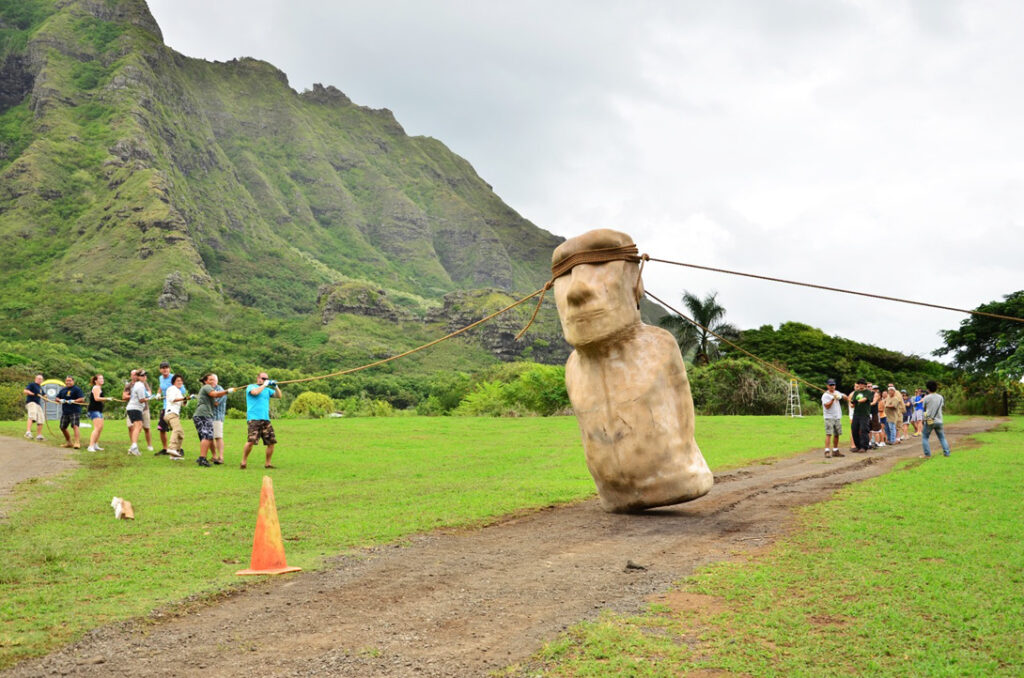
The Moai, towering statues intricately carved from volcanic tuff, stand as a testament to the engineering prowess of the Rapa Nui people. Some of these monolithic figures weigh over 75 tons and can stand up to 33 feet tall. Crafted primarily between 1400 and 1650 CE, the Moai are not just mere decorations; they were designed to embody the spirits of ancestors, acting as powerful symbols of authority and cultural identity. Perhaps one of the most intriguing aspects of these statues is how they were transported across the island with limited technological resources, sparking numerous theories about the processes involved.
2. The Great Migration: A Cultural Genesis
Easter Island’s settlement is believed to have occurred between 800 and 1200 CE, initiated by Polynesian navigators who undertook epic oceanic voyages. These early settlers brought with them not only their knowledge and skills but also their traditions and crops, creating a rich tapestry of culture that thrived in isolation. This connection to ancient voyaging traditions escalates interest in the island. How did these early navigators traverse vast and treacherous oceans without modern navigational aids? The answer lies in their deep understanding of celestial navigation and the stars.
3. Rapa Nui Language: A Linguistic Legacy
The Rapa Nui language, a Polynesian tongue, serves as an essential component of the island’s cultural identity. With its unique phonetics and vocabulary, the language is a crucial link to the islanders’ heritage. While it shares similarities with other Polynesian languages, Rapa Nui possesses distinct elements that reflect the island’s unique history and cultural evolution. The preservation of this language amidst globalization and modern influences remains vital for sustaining the island’s cultural authenticity.
4. Ecological Struggles: The Fall of the Forests
Inextricably linked to the Moai mystery is the ecological transformation of Easter Island. Once abundant with lush forests and diverse wildlife, the island underwent significant deforestation primarily due to human activity. As the Rapa Nui population expanded, the demand for resources surged, leading to the over-exploitation of trees for agriculture and the construction of Moai. This environmental mismanagement has incited debates among researchers regarding the impact of resource scarcity on societal collapse, raising the question: to what extent can an isolated community sustainably manage its environment?
5. The Birdman Cult: A Unique Religious Practice
After the decline of Moai construction, a new religious practice emerged known as the Birdman Cult, which lasted from the late 19th century until the 1860s. This cult centered around the annual competition for the title of “Tangata Manu” or Birdman. Contestants would climb down treacherous cliffs to retrieve the first eggs of the migratory sooty terns on neighboring islets. The winner would gain prestige and honor for their clan. This interesting shift from ancestor worship to a skyward reverence demonstrates the adaptive nature of Rapa Nui culture in the face of societal changes and ecological pressures.
6. The Mystery of the Moai’s Eyes
The Moai originally featured eyes made of white coral and red scoria, giving them a lifelike appearance. This detail adds a layer of mystique to the statues. The purpose of the eyes has been widely speculated. Some argue that they were designed to convey a sense of watchfulness, while others believe they symbolized the connection between the ancestors and the living community. The loss of the eye stones over centuries has left many wondering how the Moai were visually perceived by the Rapa Nui people.
7. UNESCO World Heritage Site: Acknowledgment and Conservation
In 1995, UNESCO designated Easter Island as a World Heritage Site, recognizing its unique cultural and natural significance. This acknowledgment has spearheaded efforts towards the preservation of the island’s historical sites and ecological integrity. However, balancing tourism with conservation poses ongoing challenges. As more visitors explore the island, the need for sustainable tourism practices becomes paramount to safeguard the Moai and the delicate environment surrounding them.
8. The Enigmatic “Topple” of the Moai
A significant mystery that intrigues scholars is the toppled positions of many Moai scattered across Rapa Nui. While some toppled due to human intervention, others fell due to natural disasters like earthquakes. This phenomenon has led to hypotheses about the relationship between the statues and the sociopolitical dynamics of the island. Did the toppling of these monumental figures reflect shifts in power structures or the collapse of the once-flourishing Rapa Nui society?
9. Modern Rapa Nui: A Cultural Renaissance
Today, the descendants of the Rapa Nui people are experiencing a cultural renaissance, characterized by a revival of traditional practices, language, and arts. Efforts to reclaim their identity in an increasingly globalized world are evident through festivals, music, and dance that showcase their rich heritage. This resurgence invites questions about the future of Rapa Nui culture and how it will adapt in a rapidly changing world, offering a captivating glimpse into the dynamic relationship between past and present.
In conclusion, Easter Island remains an enigmatic site steeped in history and folklore. The Moai, ecological transformations, and cultural evolution underscore the complex narrative of Rapa Nui and its people. The island’s mysteries serve as a poignant reminder of human resilience, adaptability, and the intricate balance between culture and nature. Each facet of Easter Island invites further exploration and discovery, ensuring that its legends and academic inquiries will continue to inspire wonder for generations to come.





Leave a Reply