
Short Answer
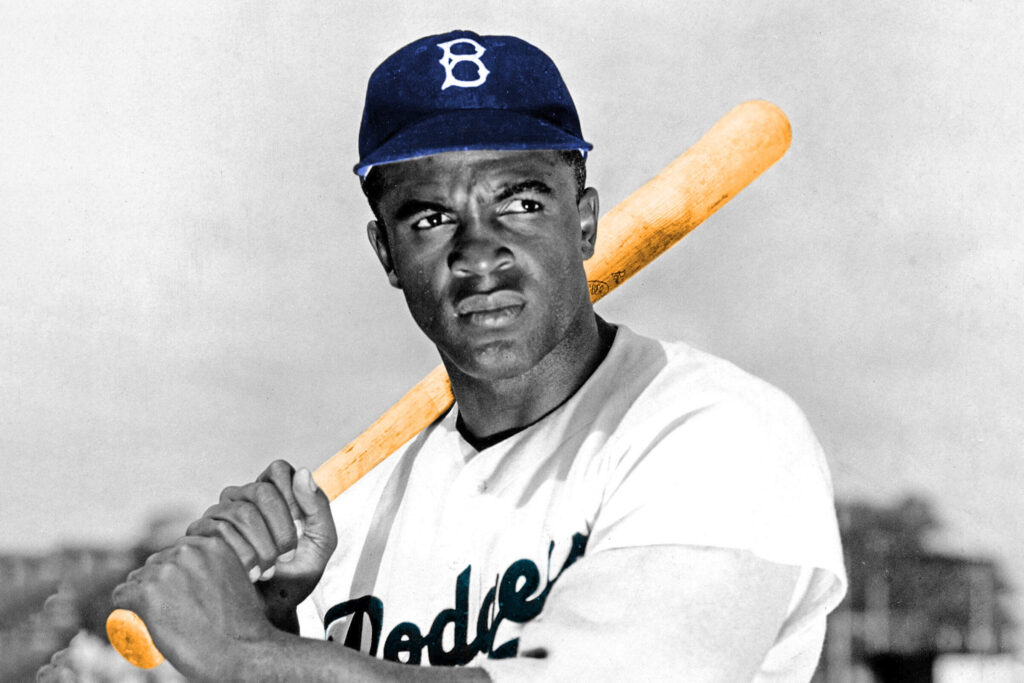
Jackie Robinson is a name synonymous with courage, tenacity, and transformative change. As the first African American to play in Major League Baseball (MLB) during the modern era, his contributions extend far beyond the baseball diamond. Here are ten compelling facts about Jackie Robinson that illuminate his legacy and the profound impact he made on American society.
1. Breaking the Color Barrier
On April 15, 1947, Jackie Robinson took the field for the Brooklyn Dodgers, breaking the long-standing color barrier in Major League Baseball. His debut signified more than just a milestone in sports; it was a watershed moment for the Civil Rights Movement. Robinson’s entry into the league forced fans, players, and teams to confront racial prejudices, ushering in a new era of integration in professional sports.
2. A Multi-Sport Athlete
Before he graced the baseball field, Jackie Robinson excelled in multiple sports. He was a standout athlete at UCLA, earning varsity letters in four sports: baseball, football, basketball, and track. His remarkable athleticism and versatility laid the groundwork for his later accomplishments, showcasing his innate talent and competitive spirit.
3. Military Service and Character
Robinson’s character was molded in part by his service during World War II. After attending UCLA, he enlisted in the United States Army. Though he faced discrimination, he served with honor, achieving the rank of second lieutenant. His military experience cultivated resilience and a sense of justice that he would carry into his baseball career and activism.
4. A Pioneering Activist
Jackie Robinson was not merely a player; he was an activist who used his platform to advocate for civil rights. He spoke out against racial injustice, met with leaders like Martin Luther King Jr., and championed various social causes. His vocal stance during the 1960s helped highlight the struggles faced by African Americans, aligning him with key figures in the fight for equality.
5. Rookie of the Year and Other Accolades
In 1947, Robinson was named the National League Rookie of the Year, an honor that underscored his exceptional talent and groundbreaking achievement. His accolades did not stop there; Robinson went on to win the National League Most Valuable Player Award in 1949, becoming the first African American to do so. These achievements cemented his status as one of the greats of the game.
6. The Impact on Baseball Dynamics
Robinson’s presence revolutionized baseball, altering team dynamics and fan interactions. As he faced racism from opposing players and fans, his dignified response and extraordinary skill changed perceptions. His ability to handle adversity with grace inspired not only a generation of players but also reshaped the demographic composition of the sport, paving the way for future stars.
7. The Inspiration for Enduring Symbols
The legacy of Jackie Robinson extends into the fabric of modern sports culture. His number, 42, is now universally retired in MLB, a rare honor that signifies respect and reverence across the league. Every April 15, players wear the number to honor Robinson’s legacy, reminding us of the importance of diversity and inclusion in athletics.
8. Nonprofit Initiatives and Philanthropy
Beyond his baseball exploits, Robinson was deeply involved in philanthropic efforts. He founded the Jackie Robinson Foundation, which offers scholarships and mentorship for minority students, furthering his commitment to educational access and empowerment. His endeavors stretched into various sectors, demonstrating his belief in using success for social good.
9. A Cultural and Authorial Influence
Robinson’s influence transcended the sphere of sports; he became a prominent cultural figure and an author. His autobiography, “I Never Had It Made,” provides an introspective look into his struggles and triumphs. The book remains a poignant narrative of resilience against systemic racism, inspiring readers and future generations to persist in the face of adversity.
10. Enduring Legacy
Jackie Robinson passed away on October 24, 1972, but his legacy endures. He is celebrated not just for his athletic achievements but also for courageously challenging social injustices. His life and career continue to serve as a beacon of hope and a catalyst for change, reminding us all of the power of perseverance and the importance of standing up for what is right.
In conclusion, Jackie Robinson was more than a baseball player; he was a transformative figure who transcended sports to become a symbol of resilience, justice, and equality. His life’s story encourages us to reflect on our values, reminding us that one individual can indeed spark monumental change not only in sports but in society at large.
FAQ
What is Jackie Robinson known for?
Jackie Robinson is primarily known for being the first African American to play in Major League Baseball during the modern era, breaking racial barriers and becoming a symbol of civil rights.
What legacy did Jackie Robinson leave behind?
Jackie Robinson's legacy includes his groundbreaking achievements in sports, activism for civil rights, and the establishment of the Jackie Robinson Foundation to support minority students.




Leave a Reply